Industrial Transformation
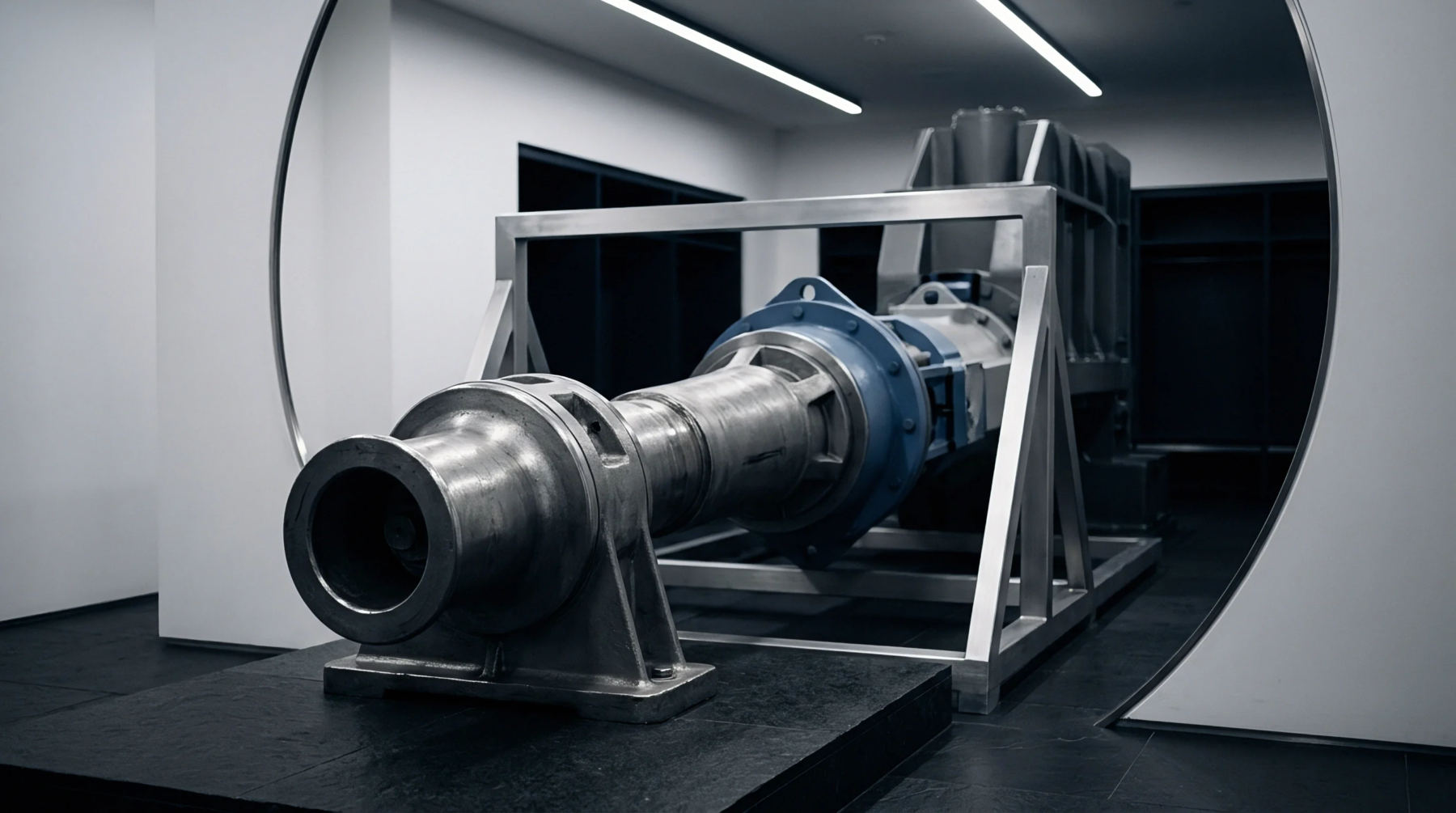
A series of manufacturing operations alters raw steel into finished components or specialized products for industrial use. Downstream steel processing involves activities like cold rolling, coating, stamping, and tube making, which refine the hot-rolled material from primary furnaces. These steps add value by enhancing strength, corrosion resistance, and dimensional accuracy to meet the strict requirements of end-user industries such as automotive assembly and construction.
By applying these methods, processors turn bulk slabs into tailored shapes and alloys that can be integrated directly into high-precision machinery or structural frameworks.
Market Position
Fabrication facilities face distinct supply risks and margin pressures depending on their position in the supply chain. Since downstream steel processing relies entirely on the steady delivery of semi-finished metals, any disruption at primary steel mills quickly impacts these secondary processors. If input prices rise or import quotas restrict the availability of raw steel, downstream companies must either absorb the extra expense or risk losing customers by passing on the higher prices.
Operational Variable
Production schedules in these processing plants depend heavily on specialized machinery and precise energy supplies. Tooling costs are high, meaning that operators must maintain high utilization rates to remain profitable. The final quality of the treated metal depends on careful temperature control and processing speeds during the final rolling or coating stages.