
H-Acid Price Surge Accelerates Dye Sourcing Cost Increases
Chinese ex-factory H-acid prices reached 200,000 yuan per ton, forcing dye producers to pass massive cost hikes to buyers.

Indices, FX, raw materials, capacity. A price move is an event with a date, not a trend with adjectives ~ every entry anchors to a movement you can verify.

Chinese ex-factory H-acid prices reached 200,000 yuan per ton, forcing dye producers to pass massive cost hikes to buyers.

Industrial buyers face higher base costs for winter contracts as pre-holiday restocking drains copper inventories to multiyear lows.

Wacker to raise dispersible polymer prices up to ten percent in April, squeezing paint and adhesive procurement budgets.

Surging coking coal prices driven by supply cuts are forcing steelmakers to raise downstream contract prices.
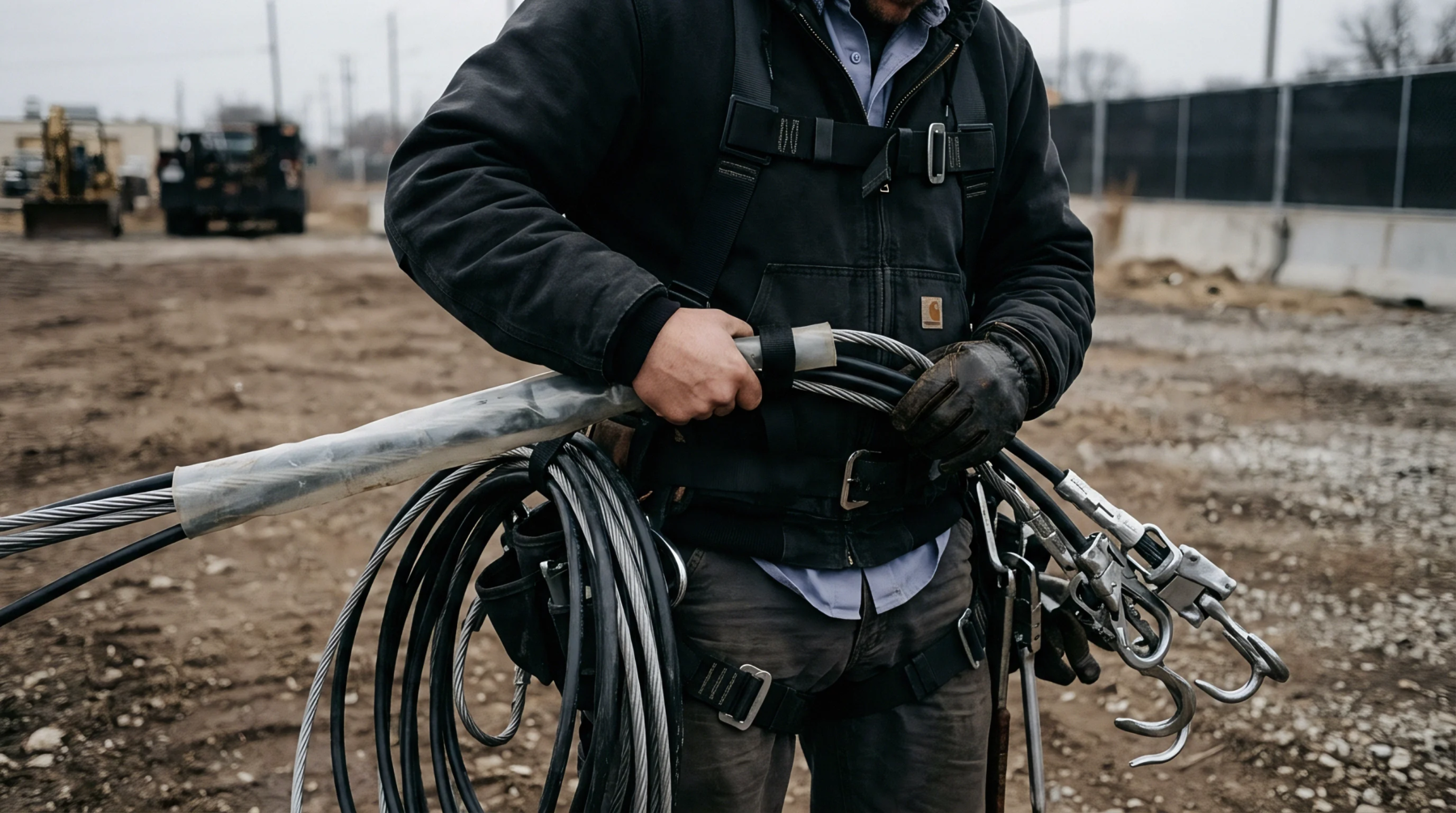
Rising metal tariffs and diesel costs push construction inputs up nine percent, forcing buyers to re-evaluate project bids.

Yarn and fabric buyers face higher raw material costs as Northeast Asian polyester prices surge over twenty percent.
Tariffs, carbon rules, regulation. A policy shift reprices a supply chain overnight, so coverage stays event-anchored: what changed, when, for whom.


European Union moves trade deal with India to Council, bringing ninety percent tariff reductions by next year

Industrial buyers must plan for extended duty rates of up to 66.4 percent on Chinese steel road wheels through 2031.

A new law exposes importers to up to 100 percent tariffs on goods from major purchasers of Russian oil.
China's new duties on Japanese dichlorosilane force chipmakers to pay steep cash deposits of up to 99.2 percent.

France and Italy prepare to seek EU safeguard measures that would impose quotas and duties on imported resins and glass fibers.

Procurement teams can now secure duty-free entry for Indian industrial and consumer goods under the new bilateral agreement.
Freight is where world events become invoice lines. Logistics, disruption, reshoring, routes: each entry tracks a disruption to its cost consequence. The route is a price with a map.

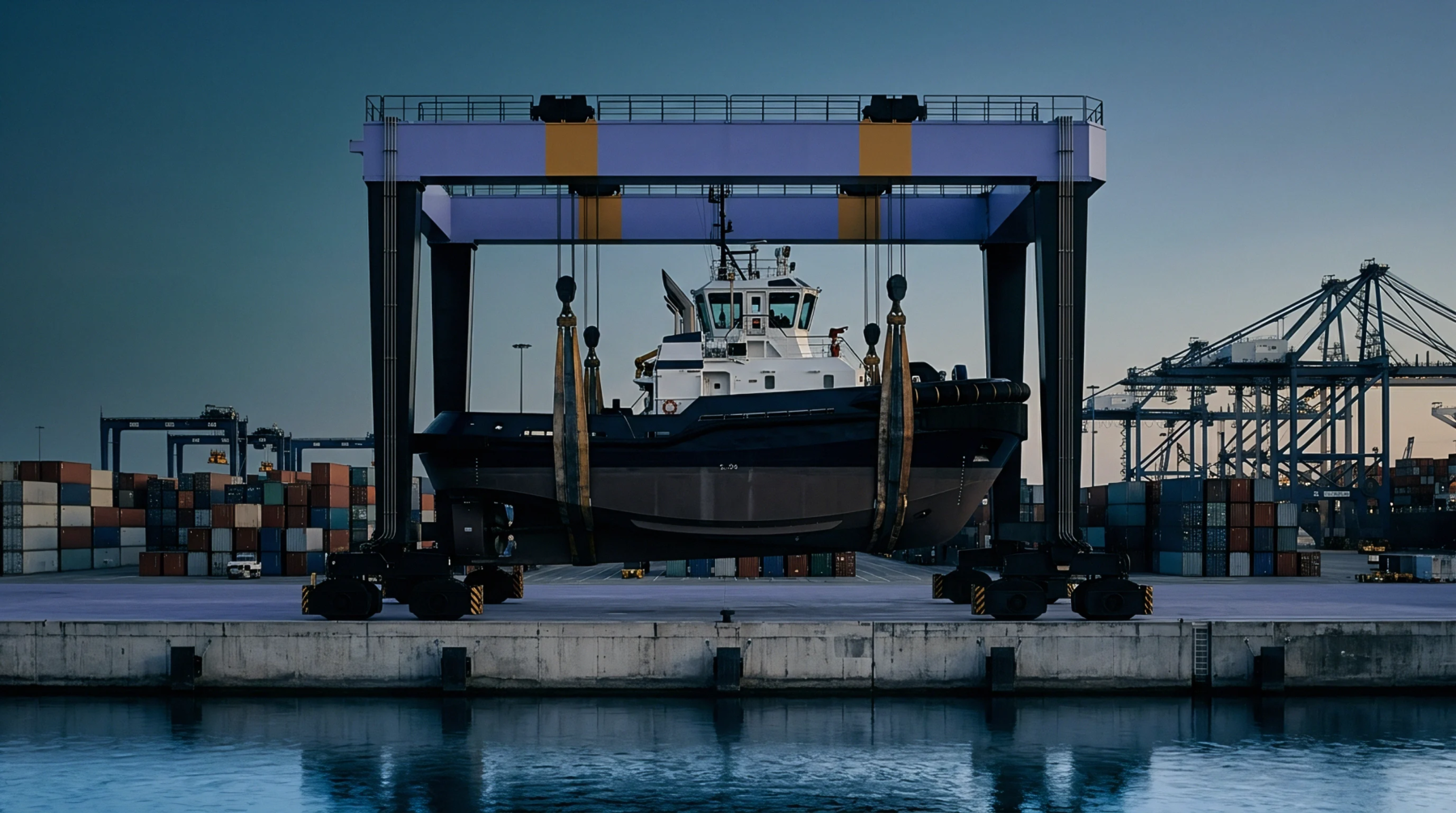
Persistent delays in Asia-Pacific hubs require buyers to secure shipping allocations months before the holiday rush.

August vessel on-time performance sank to twenty-nine percent, requiring buyers to add substantial lead-time buffers.

Rising fuel prices have eliminated the summer air cargo discount, requiring procurement teams to adjust their Q4 budget floors.

Transpacific spot rates approach historic peaks as Middle East transit closures squeeze global container shipping capacity.
The new Pinglu Canal cuts China-ASEAN freight transit by 560 kilometers and lowers logistics costs by up to 30 percent.
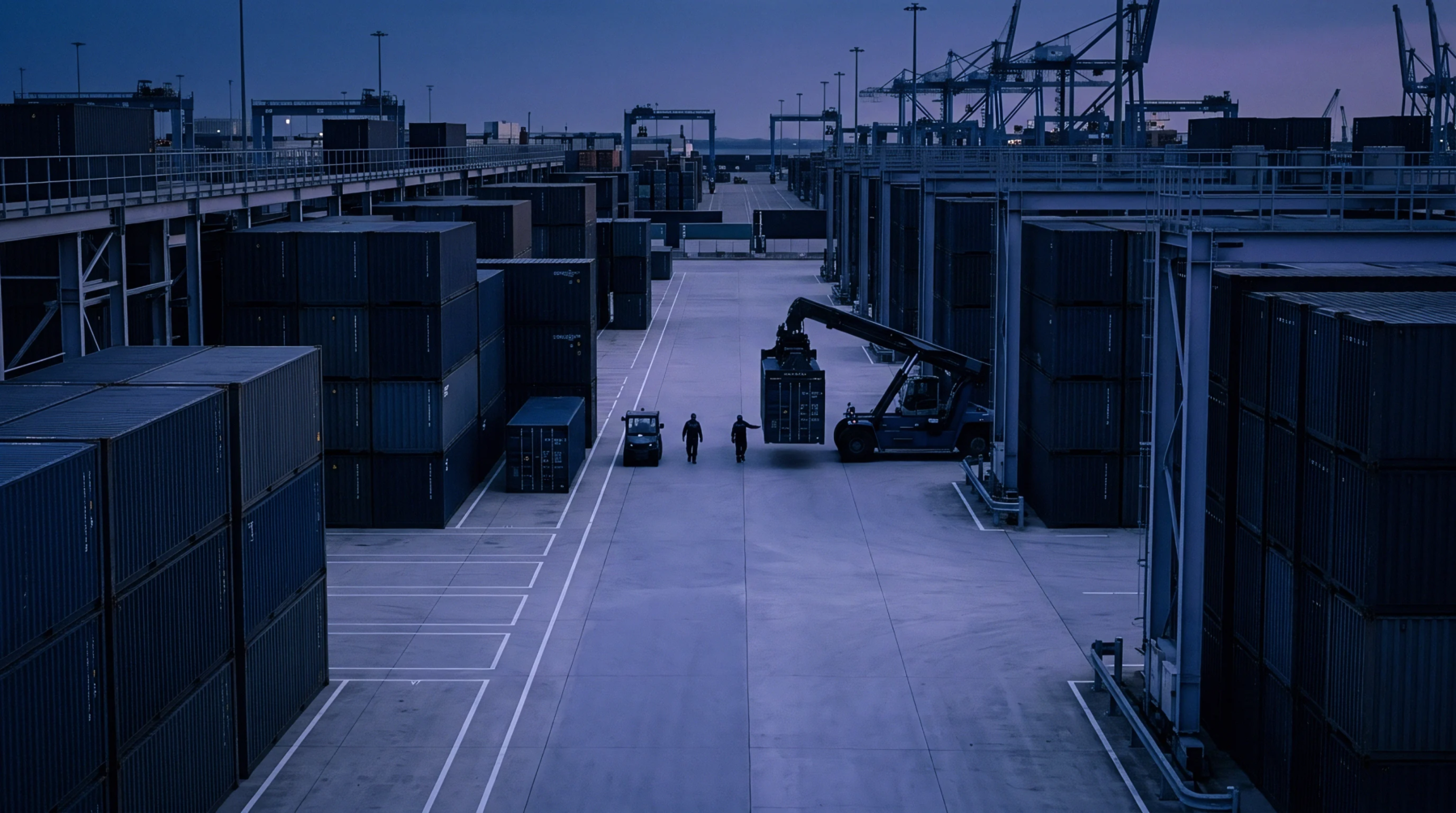
Delayed containership capacity reduces spot market options and forces buyers to extend lead times by seven to ten days.
Factories open, close, strike and expand ~ capacity events move lead times before they move prices. The desk reads the plant floor as a forward indicator, because an order books against next quarter’s output, never last quarter’s.


The shutdown of the Cologne facility forces polymer buyers to shift contracts to larger regional plants or Asian suppliers.

Greif is shutting its Georgia mill by year-end, cutting 120,000 tons of paperboard capacity and exiting the coated recycled market.

Automakers must qualify new suppliers for rubber hose and fluid lines before Ohio plant capacity winds down.

SteelBlue filing puts twenty million dollars of backlogged construction projects at risk of delivery delays.
Clearwater is halving its Arkansas mill output, taking over three percent of North American paperboard capacity offline.

Hitachi Energy is investing 528 million dollars to double US output of transformers used in industrial power systems.
Recalls, border rejections, standards taking effect. Enforcement is a calendar with teeth ~ a rule’s effective date is a sourcing deadline, and the desk tracks the dates before the fines do.


Sourcing desks must strip uncertified environmental claims from EU-facing products as strict greenwashing bans take effect today.
Sourcing teams have until mid-2027 to implement expensive workplace exposure controls for chlorinated solvents.

Importers must secure mill-level origin records to avoid a 50% tariff surcharge starting July 2026.

Federal contractors must flow down new anti-DEI compliance terms and audit all subcontractors before July deadline.

Importers of bassinets and aftermarket mattresses must secure revised third-party laboratory test reports to clear US customs.

Importers of electric bikes and scooters must prepare for mandatory federal testing as voluntary battery safety rules end.
Shortages, gluts and substitutions reaching production. When a material moves, every bill of materials carrying it moves with it ~ the desk watches the input before the invoice.


Defense buyers must secure certified non-Chinese rare earth magnets before January 2027 to protect prime contracts.

Disrupted Middle East naphtha shipments force Asian cracker cutbacks, driving up global polymer and monomer sourcing costs.

Dow raises polyethylene price hikes to 30 cents per pound, doubling resin costs and forcing packaging contract renegotiations.

CPChem's force majeure on normal alpha olefins at Cedar Bayou triggers a 20 percent June price spike for chemical buyers.

Nylon sixty-six buyers face immediate delays and contract allocations as Ascend suspends chemical production.
Perstorp implemented a global price hike of up to 100 percent for di-pentaerythritol, raising costs for specialty coatings.
Expertise is a utility, not a secret. sentiention™ publishes its working knowledge as open reference: intelligence layer covering the materials it sources, the markets it enters, and the reference that serves both.