United States Extends Maritime and Crane Tariff Suspension to January
A two-month tariff extension on Chinese cranes and port fees avoids an immediate shipping surcharge for industrial buyers.
Briefing
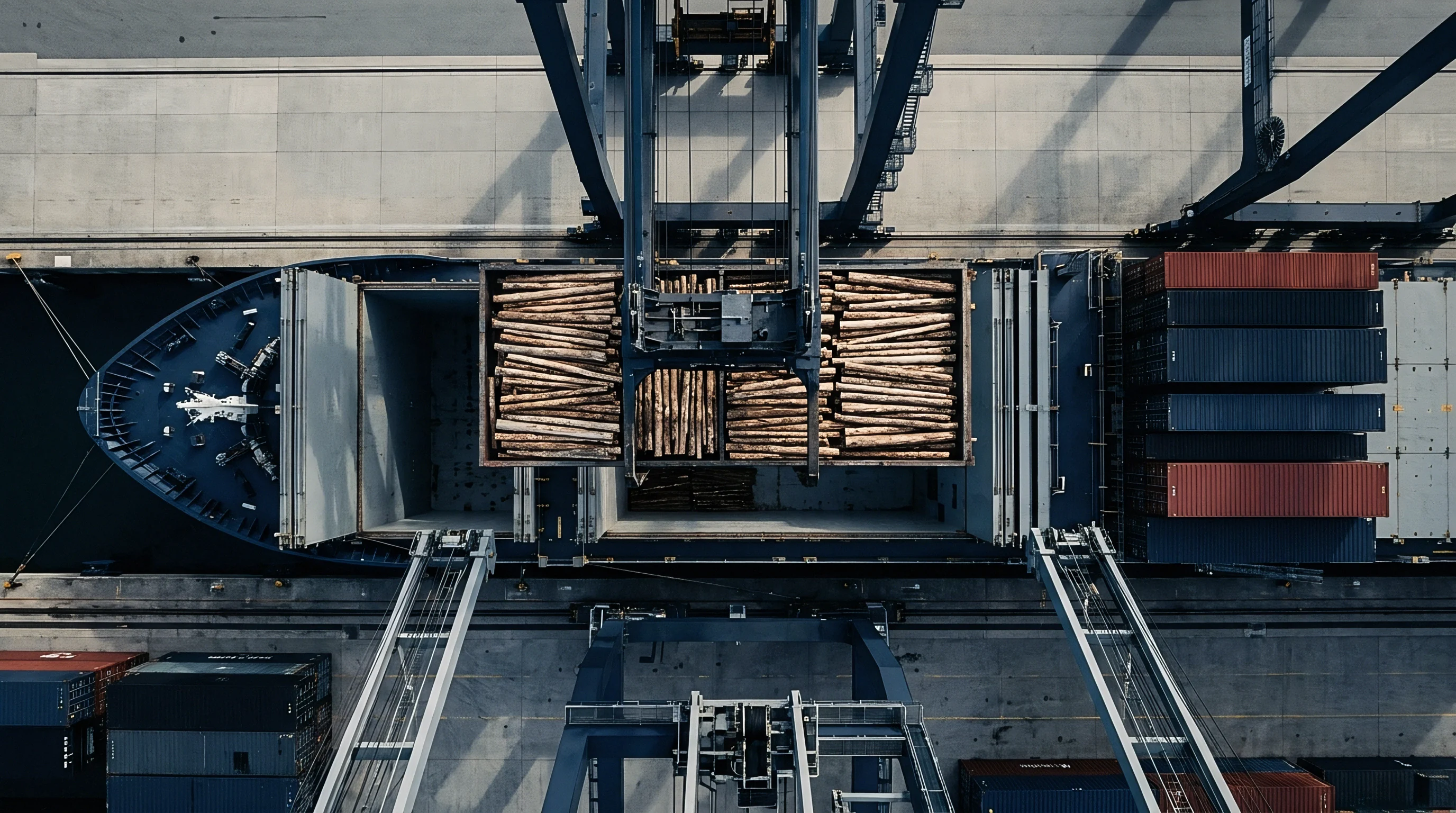
The Office of the United States Trade Representative has extended the suspension of Section 301 trade actions against Chinese maritime, logistics, and shipbuilding sectors through January 9, 2027. This regulatory freeze holds off the immediate activation of heavy fees on maritime transport services and high tariffs on Chinese-built ship-to-shore cranes and cargo handling equipment. Importers, vessel operators, and port authorities gain short-term relief from new logistics surcharges while negotiators from Washington and Beijing continue bilateral trade discussions. Because the reprieve lasts only two months, supply chain managers must continue tracking their exposure to future liabilities. The suspension protects buyers from duties that reach up to 150 percent on specialized Chinese-made container cranes and stacking machinery.

Context
Procurement desks spent the autumn watching the November 9, 2026 expiration date of the original one-year tariff pause. Buyers were weighing whether the government would let these maritime charges take effect or extend the pause to protect supply chains. Ports and logistics operators needed to evaluate whether to build tariff-risk clauses into long-term transport contracts and crane procurement agreements , uncertain if incoming equipment would arrive duty-free or face multi-million dollar customs surcharges.
Analysis
The Trade Representative delayed these duties to keep bilateral negotiations open , holding back two distinct pricing shocks. The first is a per-call port fee reaching up to one million dollars for Chinese-built or Chinese-owned vessels. The second is a tariff on Chinese ship-to-shore cranes. The pause functions like a brief lease extension, delaying the rent hike while signaling that the higher rate remains on the table. This delay stops tariff charges from immediately bleeding into carrier pricing. Had the freeze expired, ocean carriers would have added port-fee surcharges directly to standard freight bills, passing the regulatory cost to cargo owners. While the short window postpones duties for capital equipment buyers, order books remain vulnerable. Buyers purchasing ship-to-shore and stacking cranes must demand protective contract terms for any equipment entering the United States after January.
Parameters
- New Expiration Date ~ January 9, 2027, extending the suspension through this date.
- HTS Headings Amended ~ Headings 9903.91.12 through 9903.91.16, modified to reflect the updated deadline.
- Maximum Potential Vessel Fee ~ One million dollars per port call for vessels owned or built by Chinese entities.
- Maximum Equipment Duty ~ 150 percent, the top tariff rate applying to Chinese-made cargo handling machinery.
- Sourcing Exclusions Extended ~ 178 specific product exemptions, prolonged to the same January deadline.
Outlook
Sourcing teams must watch the Federal Register for USTR filings in late December or early January. Without another extension, ocean carriers and equipment importers face the full activation of these duties on January 10, 2027. That tight timeline forces shippers to negotiate protective clauses into their 2027 shipping contracts to shield against sudden port-fee surcharges.
Verdict
Buyers of logistics services and port machinery must use this brief reprieve to secure pricing protections before the January deadline.