U.S. Tariff Policy Drives Ten Percent Increase in Carboxylic Acid Prices

New Section 301 tariffs on European imports force a ten percent price hike for specialty carboxylic acids in North America.

29.08.26 2 min

Briefing

Oxea announced a 10 percent price increase for specialty carboxylic acids and esters in North America, effective September 1, 2026. The change lifts procurement costs across 2-ethylhexanoic acid, isononanoic acid, Oxsoft 3G8, and Oxfilm 351, which serve as core raw materials in industrial coatings, adhesives, and specialty plastics. The increase responds directly to the New Section 301 on Forced Labor trade policy signed July 23, 2026, which added import duties on goods from 60 economies, including the European Union. Buyers should expect these tariff costs to pass straight into formulation invoices.

An illustration features a wooden gavel on a circular sound block surrounded by raw timber sections, steel components, ceramic parts, and quartz minerals.

Context

Ahead of the announcement, procurement teams were monitoring raw material supply lines following the July 2026 trade policy revisions, watching to see which specialty chemical producers would absorb the new duties. Market expectations leaned toward European manufacturers absorbing part of the tariff burden to protect North American market share, with any price adjustments arriving incrementally.

A wrapped roll of industrial insulation material rests on a wooden loading platform beside a dark cargo vessel at night.

Analysis

The increase traces directly to the New Section 301 on Forced Labor, which applies extra duties to exports from 60 jurisdictions, including primary European chemical hubs. Carboxylic acids serve as foundational building blocks for plasticizers and resin coatings. With import costs climbing on these basic feedstocks, the producer is passing the added tax directly to procurement. That ripple reaches industrial formulation costs quickly, meaning autumn orders for paint resins and flexible plastics will carry the full 10 percent surcharge. Other domestic distributors of European intermediates will likely follow suit to protect their own margins.

Stamped steel automotive panels rest beside textile storage sacks and stacked metal shims on a dark workbench.

Parameters

  • Price Increase Rate ~ A 10 percent upward adjustment on specialty carboxylic acids and esters in North America.
  • Effective Date ~ September 1, 2026, taking effect across spot and contract orders where terms permit.
  • Trade Tariff ~ The New Section 301 on Forced Labor, signed July 23, 2026, which established the new duties.
  • Chemical Scope ~ Affected products include 2-ethylhexanoic acid, isononanoic acid, Oxsoft 3G8, and Oxfilm 351.
  • Import Sourcing ~ Tariff rules apply to chemical exports from 60 economies, including the European Union.

Polished metal milling vessels align along a dark industrial workbench inside a materials testing and sample preparation facility.

Outlook

Over the coming weeks, buyers will need to monitor import filings and customs declarations from other European chemical suppliers to see if similar price hikes follow. The key test comes during the October contract season, when annual supply agreements are renegotiated. If other major intermediate producers pass these duties along, higher costs for downstream resins and adhesives will lock in for the rest of the year.
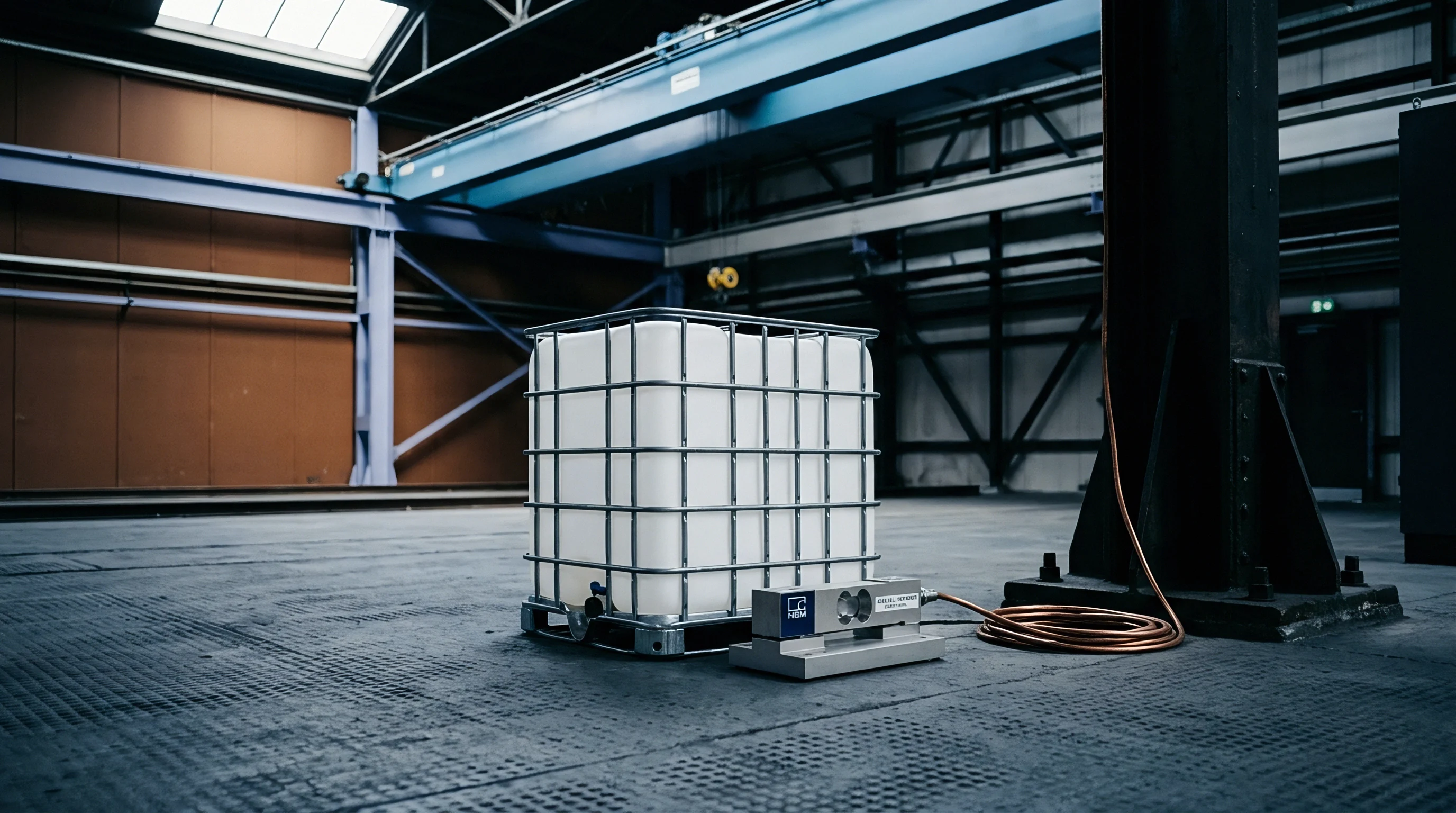
Industrial bulk storage holding liquid raw materials sits on a textured concrete floor inside a cavernous warehouse facility.

Verdict

Prepare for a ten percent increase in specialty chemical intermediate pricing as new tariff costs flow directly into procurement invoices.

Signal Acquired from: Adhesives & Sealants Industry

Nomenclature

Specialty Esters

Functional Compound ~ High-performance organic chemicals provide unique physical properties like high thermal stability and low volatility to various industrial products.

Chemical Supply Chain

Specialized Network ~ Industrial logistics systems for transporting, storing and processing hazardous, volatile or temperature-sensitive compounds connect upstream petrochemical refining with downstream manufacturing.

Industrial Coatings

Corrosion Barrier ~ Protective surface formulations applied to metal substrates form industrial coatings, shielding heavy infrastructure against environmental degradation.

Plasticizers

Additive Chemistry ~ Chemical compounds added to polymers increase the flexibility, durability, and workability of finished plastic products.

Carboxylic Acids

Acid Yield ~ Organic molecules carrying a carboxyl functional group form the primary feedstock for plasticizer esterification and synthetic lubricant manufacturing across global chemical supply chains.

Sourcing Risk

Vulnerability Matrix ~ Supply chain planners track sourcing risk to quantify the probability that single-node dependencies or regional regulatory shifts interrupt raw material delivery.

Import Duties

Fiscal Assessment ~ Statutory taxes levied by national governments on foreign merchandise crossing international borders generate state revenue and shield domestic industries from overseas competition.

Forced Labor Regulations

Legal Framework ~ Statutory mandates impose strict import prohibitions on goods produced through involuntary work environments to ensure ethical supply chain integrity across international borders.

Section 301 Tariffs

Statutory Enforcement ~ Trade measures implemented under a specific provision of the United States Trade Act allow for the imposition of duties on countries that engage in unfair trade practices.

Chemical Procurement

Supply Acquisition ~ Sourcing industrial raw materials requires identifying verified manufacturers while managing strict technical specifications and safety documentation.

Trade Policy

Regulatory Framework ~ Government statutes, administrative rules and international treaties govern the terms under which domestic commercial entities trade with foreign counterparties.

Oxo Intermediates

Chemical Conversion ~ Aldehydes and alcohols derived from hydroformylation reactions constitute oxo intermediates, serving as primary building blocks for plasticizers, detergents, and synthetic lubricants across global chemical manufacturing.

What the firm knows, published

Expertise is a utility, not a secret. sentiention™ publishes its working knowledge as open reference: intelligence layer covering the materials it sources, the markets it enters, and the reference that serves both.