New European Union Fatty Acid Duties Elevate Chemical Procurement Costs

New definitive duties between 15.2 and 46.4 percent on Chinese fatty acids force European buyers to renegotiate contracts.


30.08.26 2 min

Briefing

The European Commission has imposed definitive anti-dumping duties on Chinese fatty acid imports, raising landed costs for soap, detergent, and plastics manufacturers. The tariffs aim to close the price gap between domestic European production and Chinese imports. Additional duty rates range from 15.2% to 46.4%, depending on the exporter profile. This decision locks in elevated prices for at least five years across roughly 450,000 metric tons of annual European consumption.

An operator examines a veined marble slab secured inside a perforated transport cassette within an industrial sourcing facility.

Context

Procurement desks had relied on lower-cost Chinese oleochemicals to protect profit margins. European producers petitioned for trade defense when import volumes from China spiked while prices fell. The market widely anticipated these duties once the investigation opened, prompting buyers to front-load orders before the definitive implementation date.

A wooden shipping pallet lies on a concrete floor centered between two coiled ropes with a lectern and data charts in a dark industrial space.

Analysis

Sustained inflows of Chinese fatty acids had kept European market prices suppressed. The new tariffs effectively set a mandatory cost floor, bringing the entry price of Chinese material to parity with regional European production. These higher landed costs are already driving contract revisions for buyers purchasing on a Delivered Duty Paid basis. Sourcing teams are redirecting volume to suppliers in Indonesia and Malaysia, though this shift is straining regional storage capacity. The cost increase will cascade down the value chain, raising input expenses for lubricants, personal care products, and industrial additives within a single fiscal quarter.

A heavy mineral deposit rests precariously beside a dark ceramic receptacle while a hand parts sheer fabric in a dim industrial studio.

Parameters

  • Maximum Duty Rate ~ 46.4% applied to all non-cooperating exporters from China.
  • Cooperating Exporter Rate ~ 15.2% levied on major sampled Chinese manufacturing groups.
  • Effective Duration ~ 5 years of stable definitive tariffs before the next formal review.
  • Product Specification ~ Fatty acids with carbon chain lengths from C6 to C20 inclusive.
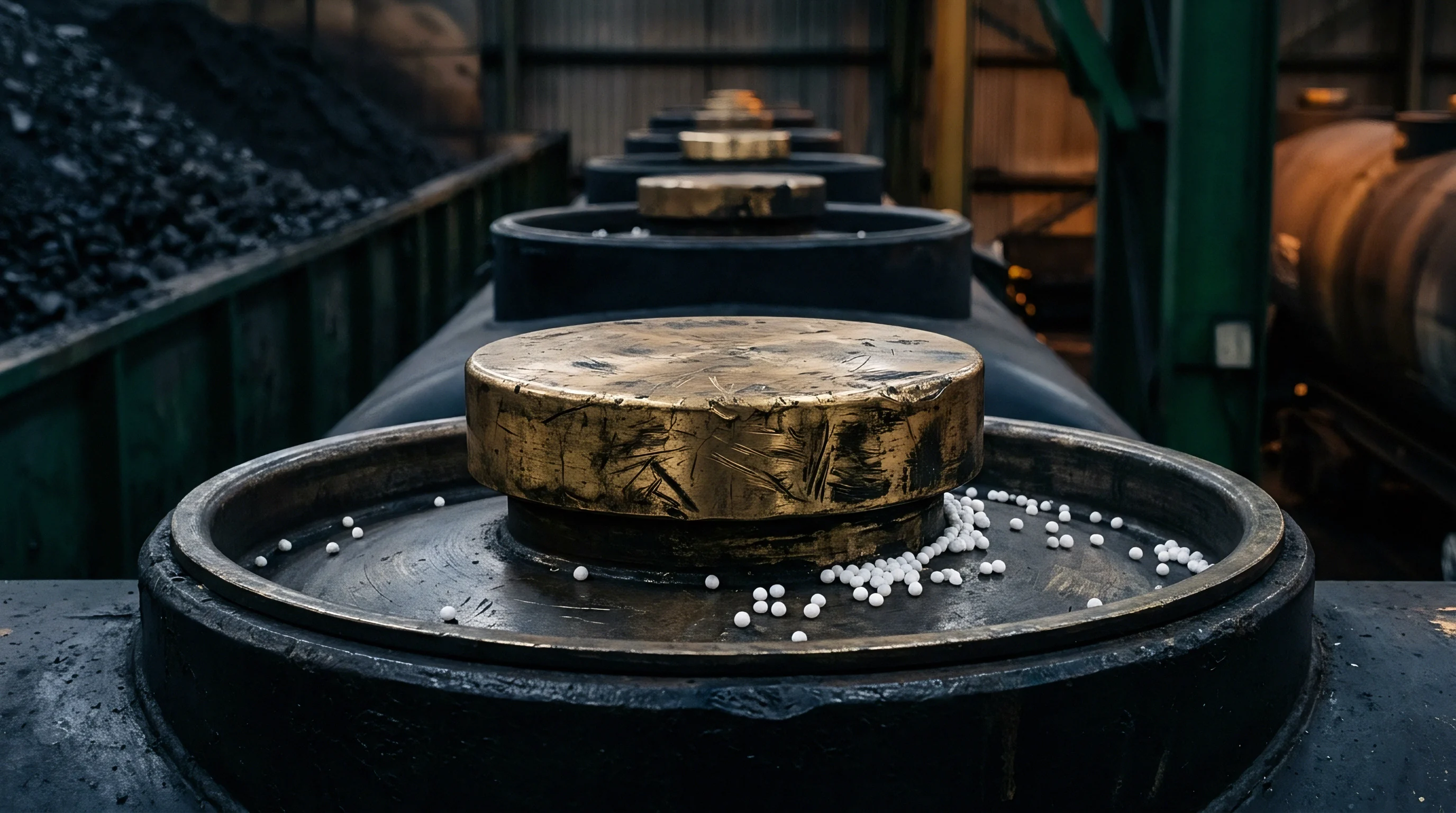
White polymer pellets scatter on the metallic hatches of bulk cargo tank cars parked inside an industrial distribution terminal.

Outlook

Spot market indices in Southeast Asia are already climbing as buying shifts. Procurement teams should monitor Malaysian palm oil derivatives to gauge movement in alternative supply channels. Upcoming quarterly trade figures from Eurostat will show whether Chinese volumes drop off sharply or if exporters absorb costs to retain market share. Contract negotiations for the coming calendar year must incorporate these definitive percentages.

A manufacturing specialist examines a heavy steel industrial swivel alongside diverse material samples and a photovoltaic solar panel in a studio setting.

Verdict

Redirect fatty acid sourcing to Southeast Asian or regional European suppliers to bypass duties that reach forty-six percent.

Signal Acquired from: European Commission

Nomenclature

China Sourcing

Procurement Framework ~ International purchasing strategies frequently focus on acquiring industrial goods and raw materials from manufacturers in East Asia to reduce production costs.

Fatty Acids

Chemical Composition ~ Organic compounds consisting of a hydrocarbon chain and a terminal carboxyl group represent essential building blocks for many everyday industrial products.

European Commission

Regulatory Body ~ The executive branch of the European Union proposes legislation, enforces bloc-wide rules and represents the union in international trade negotiations.

Oleochemicals

Lipid Derivative ~ Fatty acids and alcohols derived from animal fats or vegetable oils provide the chemical building blocks for these substances.

Definitive Duties

Trade Penalty ~ Long-term protectionist taxes imposed by importing countries on specific goods counteract the distortive effects of foreign dumping or subsidies.

Chemical Manufacturing

Production Classification ~ Industrial transformation converts raw material inputs into finished commodity products through controlled thermal, physical, or chemical reaction paths.

Chemical Procurement

Supply Acquisition ~ Sourcing industrial raw materials requires identifying verified manufacturers while managing strict technical specifications and safety documentation.

Raw Material Costs

Procurement Valuation ~ Economic accounting identifies the total cash outflow dedicated to the acquisition of physical commodities needed for manufacturing processes.

Anti-Dumping Measures

Statutory Levy ~ Trade authorities impose these levies to neutralize price disparities arising when exporters sell goods below the production cost or the domestic price in the origin market.

Import Duties

Fiscal Assessment ~ Statutory taxes levied by national governments on foreign merchandise crossing international borders generate state revenue and shield domestic industries from overseas competition.

Industrial Inputs

Supply Cost ~ Raw material acquisition forms the baseline financial commitment required before manufacturing begins.

Sourcing Strategy

Procurement Logic ~ Formal supply acquisition planning defines how an organization secures raw materials, components, or specialized services to maintain production continuity while minimizing financial exposure.

What the firm knows, published

Expertise is a utility, not a secret. sentiention™ publishes its working knowledge as open reference: intelligence layer covering the materials it sources, the markets it enters, and the reference that serves both.