Industrial Activity
Heavy maritime manufacturing encompasses the engineering, steel fabrication, outfitting and testing of ocean-going cargo vessels and specialized floating commercial structures. Modern commercial shipbuilding takes place within drydocks and slipways equipped with heavy gantry cranes capable of lifting pre-outfitted hull blocks weighing hundreds of tons. Construction schedules for bulk carriers, containerships and chemical tankers require capital commitments that span multiple financial quarters.
Yards establish delivery contracts under standard maritime terms with milestone payments linked to keel laying, launching and sea trials. Global carrier demand schedules dictate dock availability years ahead of actual steel cutting.
Production Sequence
Shipbuilders assemble modular grand blocks outfitted with piping, electrical conduit and machinery flats prior to positioning inside the drydock. This structural assembly method reduces the time commercial shipbuilding programs spend occupying primary drydock real estate, maximizing yard slip turnover. Steel cutting starts upon approval of detailed production drawings by maritime classification societies.
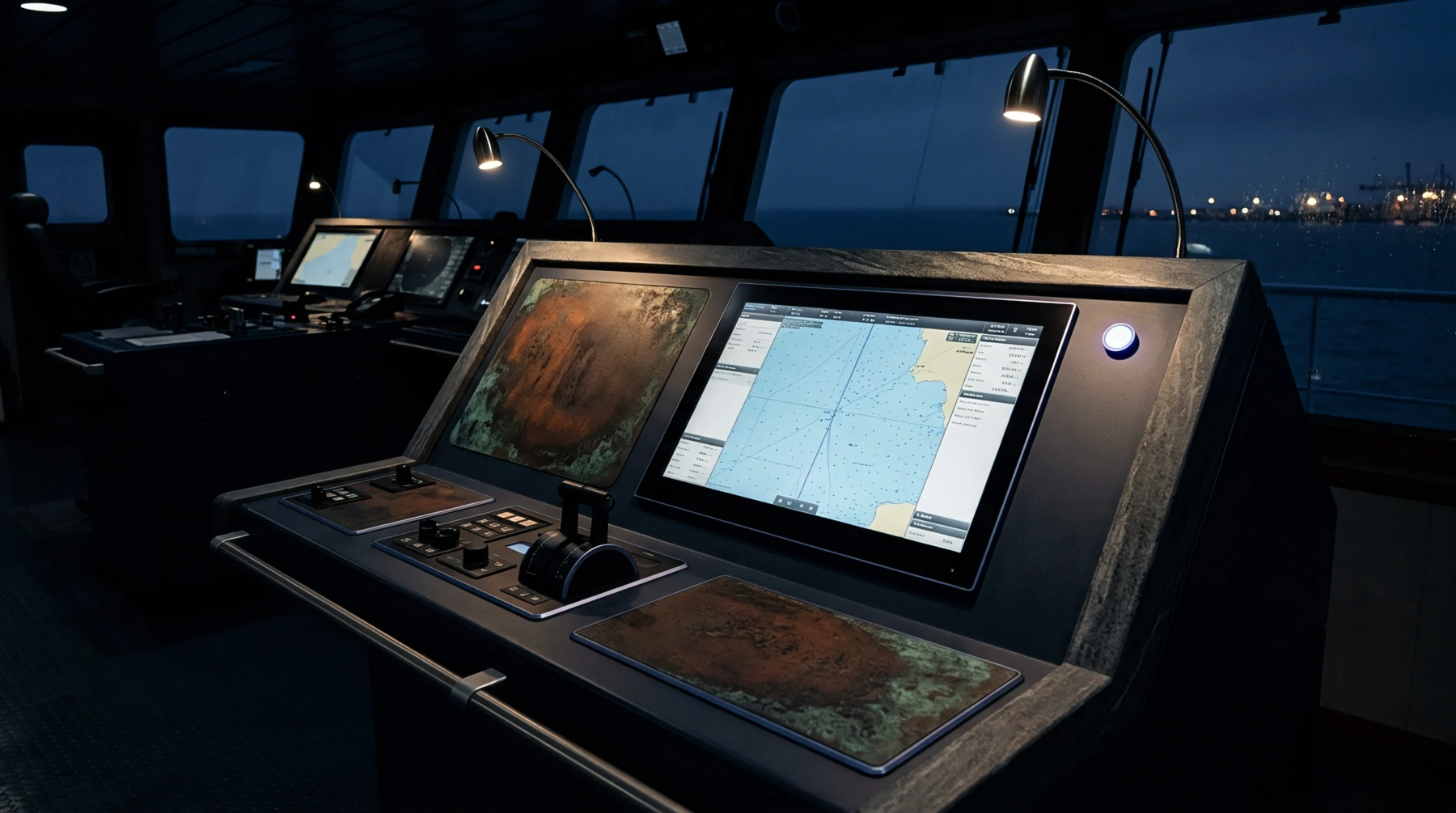
Hull sections receive protective surface coatings inside climate-controlled blast halls before final alignment and welding on the slipway. Shipyard project managers integrate dual-fuel engines, shaft generators and ballast water treatment plants during mid-stage construction. Launching occurs when the hull achieves water integrity and buoyancy, allowing harbor tugs to warp the hull to an outfitting pier for cabin accommodations, navigation bridge installations and auxiliary engine tests.
Sea trials follow, submitting the propulsion plant and maneuvering systems to full-scale stress tests under real maritime operating conditions.
Market Exposure
Contract backlogs across major shipyards fluctuate along with global charter rates, bunker costs and statutory environmental regulations from the International Maritime Organization. Yard operators face high financial exposure from steel plate price increases and currency shifts between the contract signature date and final delivery acceptance. Government financing programs, export credit agencies and state refund guarantees often absorb significant portions of performance risk on complex commercial builds.
Commercial shipbuilding operates under rigid delivery windows backed by daily liquidated damages clauses for unexcused delays. Yard capacity remains concentrated in a small group of Asian shipbuilding regions with deep industrial supply networks.