Force Majeures and Low River Levels Tighten European Plasticizer Supply
European buyers face higher prices and supply allocation for key plasticizers as low water levels restrict river transport.
Briefing
A cluster of force majeure declarations by European petrochemical producers has coincided with record low water levels on the Rhine River, sharply contracting plasticizer availability for industrial manufacturers. Regional suppliers have cut contracted volumes of diisononyl phthalate (DINP) and diisodecyl phthalate (DIDP) through strict customer allocations while seeking price increases of up to 90 euros per ton. Sourcing teams face direct supply shortfalls and longer transit times as transport bottlenecks push processors toward alternatives like dioctyl terephthalate (DOTP) or offshore imports. European prices for DINP and DIDP have climbed to between 1,520 and 1,730 euros per ton, breaking abruptly with months of flat demand.
Context
European buyers had anticipated steady plasticizer pricing through late summer, anchored by soft demand in downstream sectors like construction and automotive manufacturing. Procurement desks kept their focus on monthly feedstock rolls, expecting comfortable inventories as imported volumes from South Korea and Turkey supplemented domestic production.

Analysis
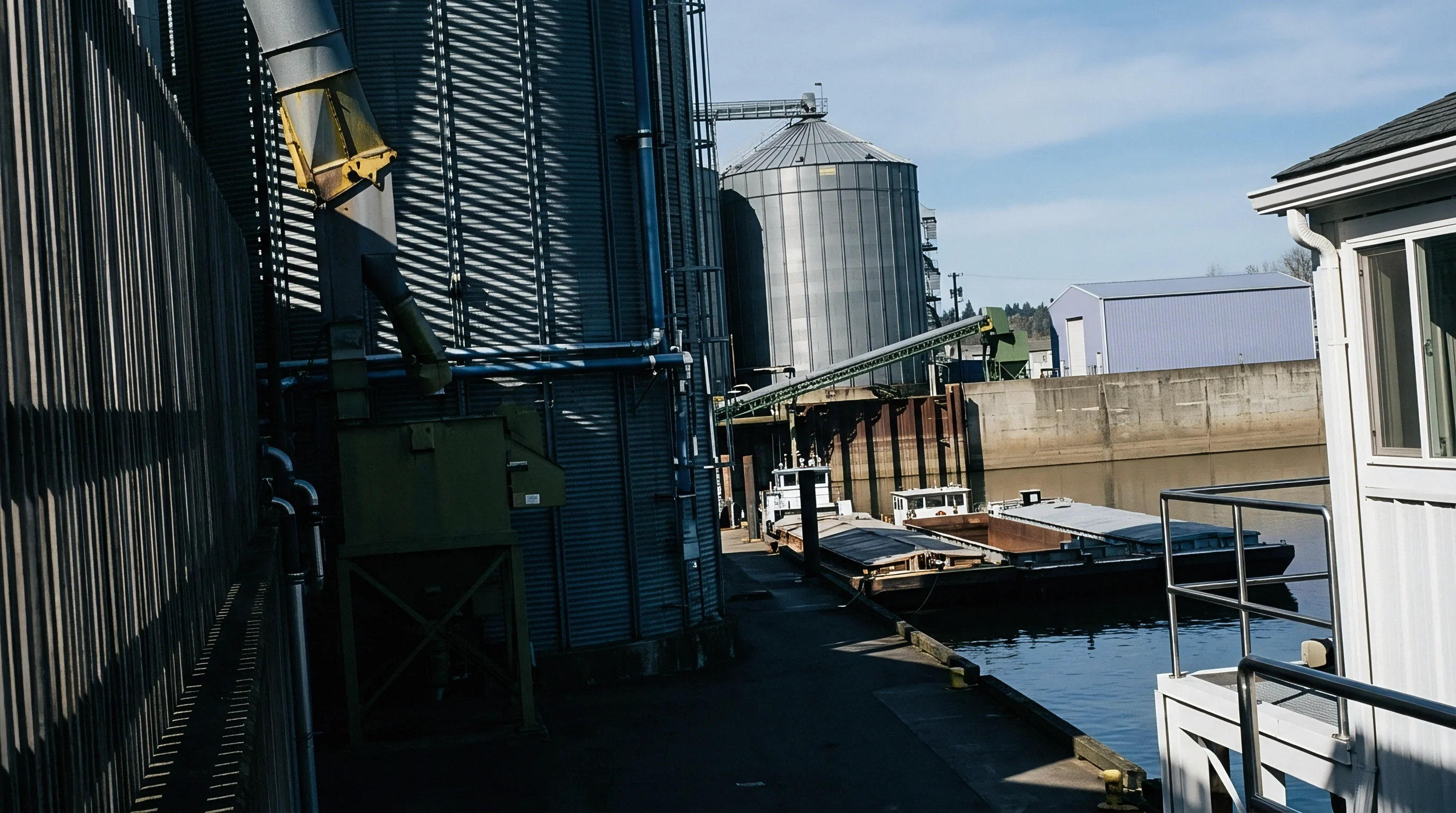
The supply squeeze developed after unplanned plant issues forced major chemical producers into force majeure across their European plasticizer operations. At the same time, falling water levels on the Rhine choked barge transit, interrupting deliveries of critical feedstocks including isononyl alcohol and orthoxylene. Because these manufacturing sites rely on continuous-flow processes, interrupted raw material deliveries immediately forced operating rate reductions. Suppliers moved to shield their remaining inventory behind contract allocations, driving buyers into the spot market. Rising freight surcharges and limited prompt material have accelerated substitution toward dioctyl terephthalate, which remains less exposed to Rhine shipping disruptions.
Parameters
- DINP and DIDP Price Range ~ 1,520 to 1,730 euros per ton, reflecting the current pricing floor facing European buyers.
- Supplier Price Increases ~ 60 to 90 euros per ton sought by regional producers on prompt volume.
- Rhine River Water Levels ~ Dusseldorf monitoring station readings at historic lows that restrict barge loading capacity.
- Propylene Contract Settlement ~ Increased by 55 euros per ton, adding direct cost pressure to regional plasticizer output.
Outlook
Sourcing desks need to track Rhine River water levels and producer operating status closely over the coming weeks. If low water conditions persist through autumn contract negotiations, the regional supply deficit will widen, prompting further price hikes and faster migration toward imported alternatives. Buyers should also expect export offers from South Korea and Turkey to firm as elevated feedstock costs lend support to Asian pricing.
Verdict
Industrial buyers must immediately qualify dioctyl terephthalate and imported Asian plasticizers to bypass the logistics bottleneck on the Rhine River and avoid regional contract allocations.