New European Union PVC Probe Raises Resin Import Duty Risks
The European Commission opened an anti-dumping probe on suspension PVC resins from four major global chemical exporters.


Briefing
The European Commission initiated a formal anti-dumping investigation into imports of certain polyvinyl chloride polymerised through suspension and bulk polymerisation from China, South Korea, Mexico, and Taiwan. This regulatory action exposes chemical and plastic procurement teams to retroactive duties because the European Commission intends to register imports early, allowing the retroactive collection of any eventual definitive duties. Industrial buyers of these commodity, extender, and specialty polymer resins face a sudden restructuring of their European supply bases. This action was triggered by a complaint from the regional PVC Trade Committee following a 100 percent increase in imports of these materials in just twelve months.

Context
Before this announcement, the procurement desk was asking whether the European polymer market would follow other major jurisdictions in erecting tariff barriers against low-cost resin exports. Sourcing teams assumed that the European Union would remain a major open outlet for global polymer trade flows despite mounting trade friction in other sectors.
Analysis
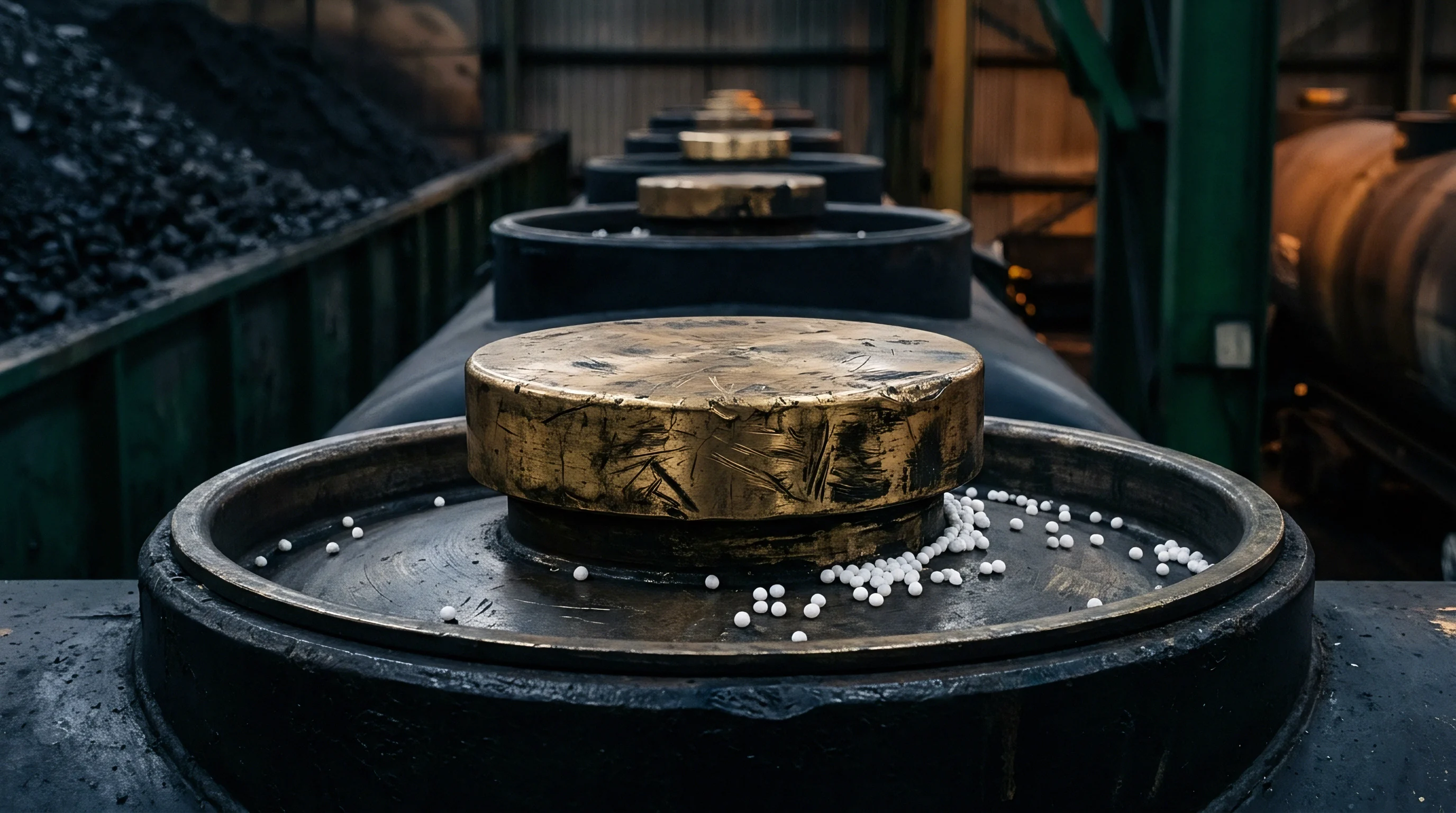
The European Commission launched this probe to address allegations of trade distortions. Chemical producers in China rely heavily on coal-based feedstocks and captive mineral supplies, such as calcium carbide, which keeps their production prices lower than the gas-and-crude-based margins of European chemical plants. This price gap drove an influx of cheap imported resin into the European market. If the probe confirms these distortions, the European Union can set aside standard tariff limits and apply high dumping margins directly to incoming orders. Importers must prepare for the risk of retroactive duties because customs registration of imported cargoes will begin early in the investigation. This makes an open import contract act like a financial liability, as the final duty rate will only be settled months after the material has cleared port, forcing procurement desks to pivot toward domestic European chemical producers or alternative suppliers.

Parameters
- Initiation Date ~ September 23, 2026, the official start of the anti-dumping investigation by the European Commission.
- Import Surge ~ 100 percent, the year-on-year increase in polyvinyl chloride imports into the European Union over the preceding twelve months.
- Investigation Period ~ April 1, 2025 to March 31, 2026, the specific window being scrutinized to evaluate pricing and dumping margins.
- Tariff Code ~ ex 3904 10 00, the specific customs classification representing the imported suspension and bulk polymer resins under investigation.
- Covered Origins ~ China, South Korea, Mexico, and Taiwan, the four exporting regions subject to the anti-dumping proceedings.

Outlook
Procurement teams should expect a preliminary determination within seven to eight months, which is around May 2027. This decision will likely introduce provisional duties and confirm whether the European Commission applies raw-material-distortion provisions to further inflate tariff rates. Buyers must closely monitor the publication of the registration regulation in the Official Journal of the European Union, which will mark the official start of retroactive tariff liability for all inbound shipments.
Verdict
Importers of suspension polymer resins must immediately diversify their chemical supply lines and reduce exposure to Chinese, Korean, Mexican, and Taiwanese origins before early customs registration triggers retroactive tariff liabilities.