German Port Strike Threatens European Imports with Carrier Schedule Delays

Buyers should plan for two-week delivery buffers as German dock strikes trigger container backlogs at Northern European hubs.
28.08.26 2 min

Briefing

A 24-hour cargo walkout across six major North Sea ports has halted German maritime operations, triggering immediate vessel diversions and knock-on delays through European supply chains. The action mobilized 5,000 dock workers, shuttering Germany’s largest container terminals at a time when global sailing schedules are already strained. Importers face extended delivery delays and will need to build in arrival buffers while terminals clear the resulting backlogs.

A tilted blue container rests beside a heavy metallic mooring cleat amid scattered raw material fragments on a dark industrial floor.

Context

Before this disruption, procurement desks were tracking tight transatlantic capacity and terminal dwell times on the assumption that European port operations would hold steady through the peak summer shipping season. The primary concern had been whether carrier schedules could absorb ongoing diversions around Africa without compounding inland delays.

Folded textile samples and hanging fabric swatches are arranged on a dark slate staging surface within a structured metal framework.

Analysis

The 24-hour work stoppage began with the night shift on August 17, 2026, hitting Hamburg, Bremerhaven, Wilhelmshaven, Bremen, Emden, and Brake. The ver.di union called the strike after dockworkers rejected a wage offer from the Central Association of German Seaport Operators. ver.di is seeking an 8.2 percent wage increase over a 12-month contract, while employers have offered 5.1 percent over 19 months. Because modern container terminals operate on tight turnarounds, even a single day of downtime creates immediate operational bottlenecks: ships queue offshore, cranes sit idle, and quay yards congest.

For buyers, the fallout includes missed rail connections, lengthened transit times, and pushed-back delivery windows. Carriers have already begun diverting select vessels or adjusting port rotations to bypass the backlog, injecting unpredictable transit delays into existing purchase orders.
Heavy steel structural supports frame wooden pallets holding industrial metal components on a concrete maritime loading dock overlooking harbor waters.

Parameters

  • Duration of Action ~ 24 hours of total work stoppage across six major German seaports.
  • Labor Force Mobilized ~ Approximately 5,000 dock workers participated in the warning strike.
  • Labor Wage Demand ~ 8.2 percent pay increase over a 12-month contract period.
  • Current Employer Offer ~ 5.1 percent wage increase over a 19-month contract period.
Heavy cylindrical cargo rests on a concrete port terminal visible through the illuminated control console of a maritime facility.

Outlook

Negotiators are set to resume talks in Hamburg to bridge the pay gap. Shippers should monitor upcoming contract rounds closely for signs of a formal settlement. If negotiations break down, longer and more disruptive strikes are likely to follow, forcing buyers to reroute inbound European freight through alternative gateways such as Rotterdam or Antwerp.
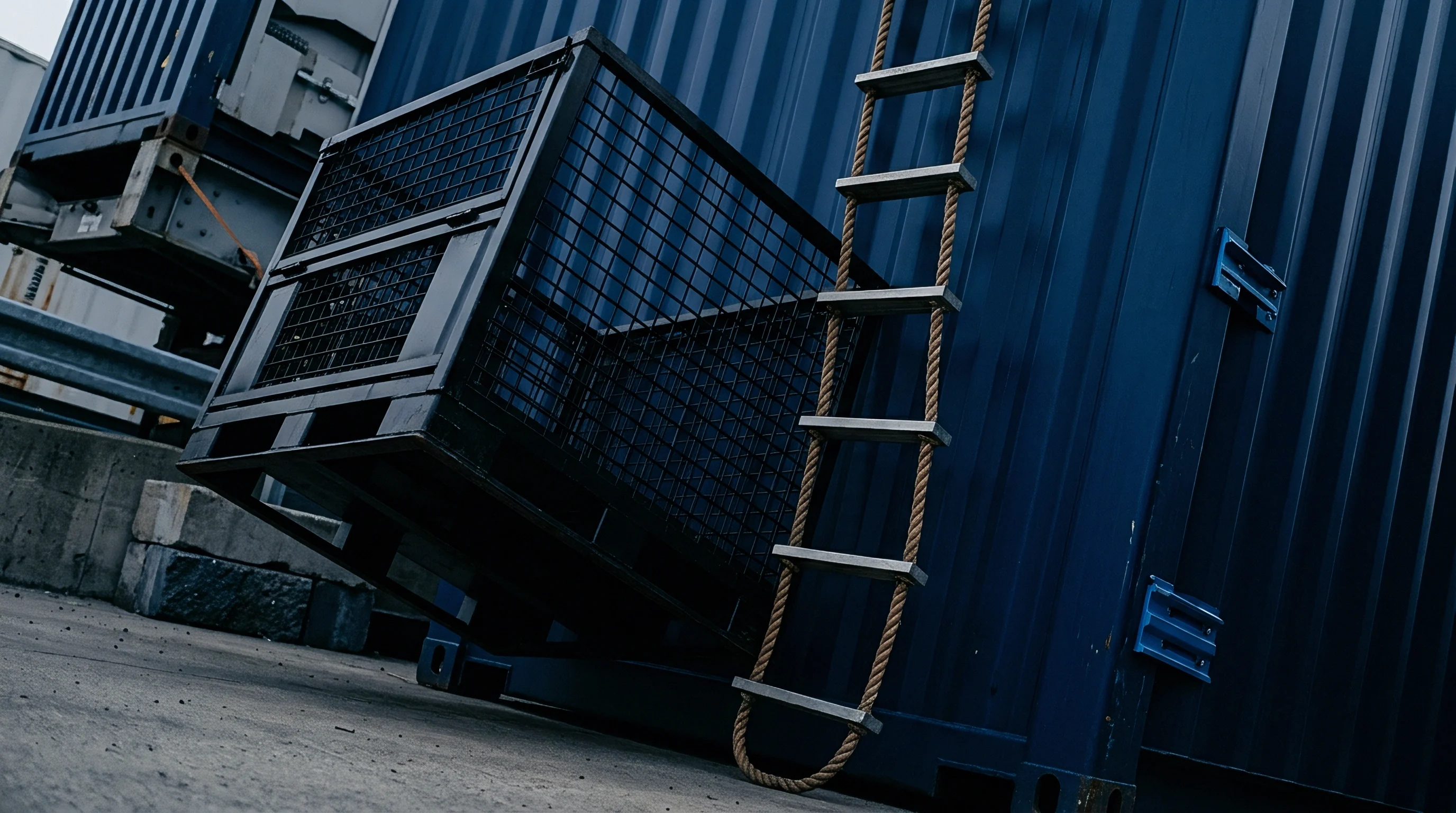
A dark blue corrugated steel shipping container stands behind a black steel mesh pallet cage and a suspended wooden rung rope ladder.

Verdict

Buyers must immediately build two-week buffers for all orders routing through German ports to absorb labor backlogs and protect inventories.

Signal Acquired from: The Maritime Executive

Nomenclature

Vessel Backlog Recovery

Operational Recovery ~ Maritime scheduling metrics describe the normalization of port queues after congestion events trigger systemic delays.

Supply Chain Buffers

Resilience Reserve ~ Protective mechanisms and surplus resources mitigate the impact of unforeseen disruptions in the flow of goods and services.

Peak Season Shipping

Logistical Cycle ~ High demand volume within international transport networks dictates a predictable surge in freight movement that occupies specific calendar windows.

Trade Lane Logistics

Directional Channel ~ A defined geographic transit route dictates the movement of freight between two specific global hubs.

Northern European Gateways

Logistics Hub ~ Major maritime ports located along the North Sea and English Channel provide the primary entry points for goods entering the European continent.

Trade Flow Disruptions

Movement Impediment ~ Logistics volatility defines the condition where cargo pathways undergo forced alteration or cessation.

Container Shipping Schedules

Timetable Matrix ~ Published carrier departures dictate operational planning across global supply chains.

Ocean Freight Contracts

Commercial Binding ~ Commercial agreements between cargo owners and shipping lines establish the fixed financial and operational conditions for maritime transport over a designated period.

Maritime Terminal Operations

Port Management ~ Specialized port activities manage the transfer of cargo between ocean-going vessels and land-based transport modes.

Labor Contract Dispute

Arbitration Mechanism ~ Wage negotiations break down when collective bargaining agreements fail to resolve disputes over compensation structures and mandatory work hours.

Ocean Container Routing

Transit Pathing ~ Freight logistics practitioners define ocean container routing as the selection of maritime corridors, port calls and transshipment hubs that determine the physical movement of cargo between origin and destination.

Terminal Capacity Pressure

Infrastructure Stress ~ Excessive demand for port or warehouse resources leads to a decline in the efficiency of cargo movement.

What the firm knows, published

Expertise is a utility, not a secret. sentiention™ publishes its working knowledge as open reference: intelligence layer covering the materials it sources, the markets it enters, and the reference that serves both.