Panama Canal Cuts Transit Capacity Raising Costs for East Coast Imports

Panama Canal transit cuts to thirty-two daily slots in September will raise import surcharges and extend transit times.

28.08.26 2 min

Briefing

The Panama Canal Authority will restrict daily vessel transits to thirty-two per day by mid-September, prompting ocean carriers to revise schedules and add transit surcharges. Rainfall across the canal watershed is running thirty-four percent below historical averages as an El Nino pattern intensifies. The restriction limits the Neopanamax locks to nine daily slots and Panamax locks to twenty-three, directly affecting container traffic from Asia to the United States East Coast and Gulf Coasts. That reduces normal daily transits by roughly eleven percent, leaving unbooked vessels to face expensive auction queues or long detours around South America.
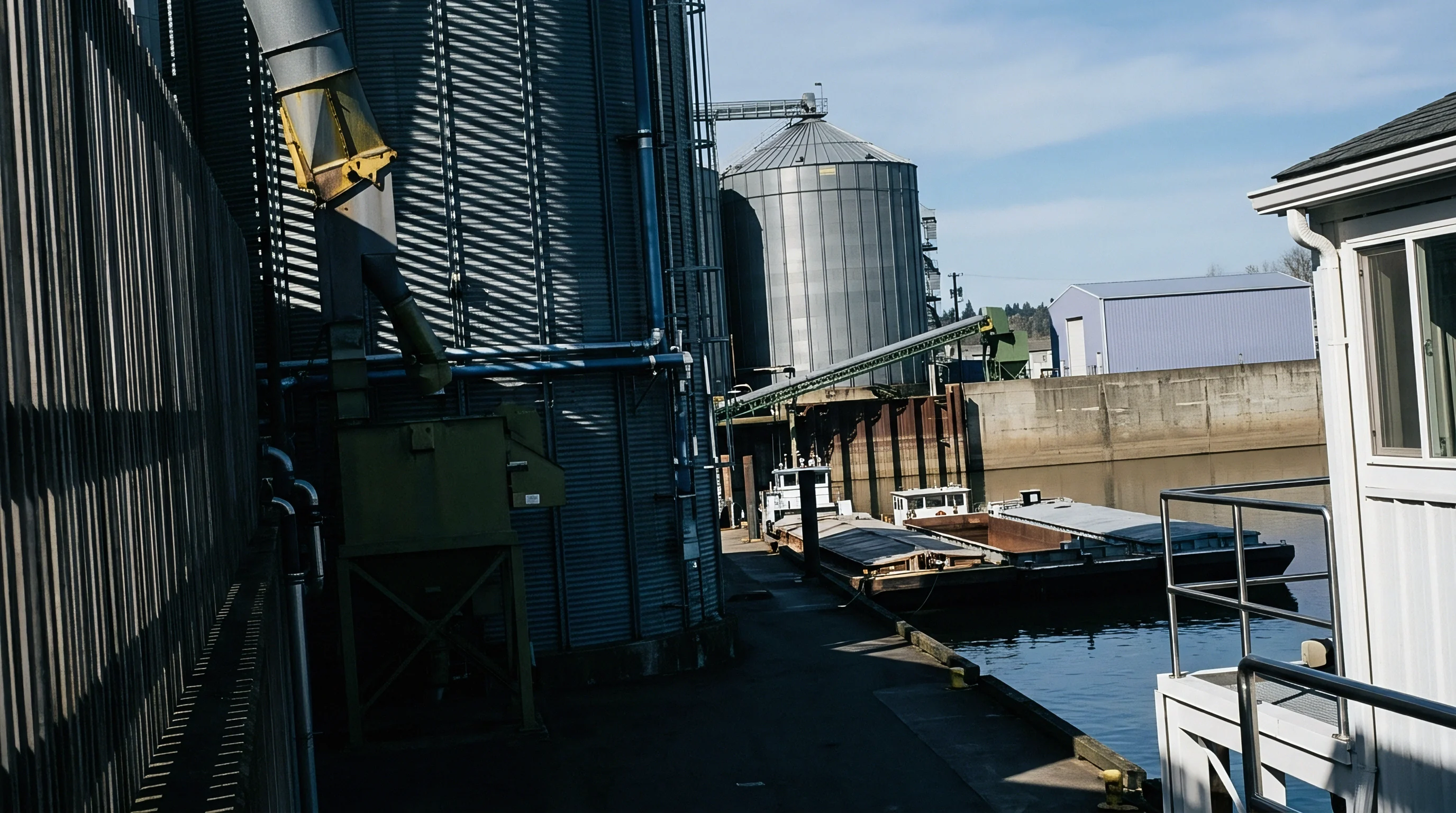
Corrugated steel grain silos and conveyors stand beside docked transport barges on an industrial waterway terminal.

Context

Buyers and logistics directors had counted on stable water levels and standard transit volumes through the winter. Optimistic forecasts from the canal authority earlier in the year led importers to rely heavily on Panama for Peak Season cargo moving to the East Coast. Procurement teams now have to adjust booking allocations and evaluate alternate routes before the fourth-quarter shipping rush begins.

A digital render shows a suspended freight package positioned between angled steel impact arms inside a dark industrial testing facility.

Analysis

Trimming daily transit slots creates an immediate vessel supply squeeze on East Coast trade lanes, giving carriers leverage to pass added costs directly to cargo owners. Lower draft limits force lines to carry fewer containers per vessel, driving up unit transport costs while schedules slip and port wait times grow. Shippers competing for guaranteed transit dates have pushed winning bids in the canal’s booking auctions as high as four million dollars, costs that carriers quickly pass along as flat surcharges. Vessels unable to secure slots face diversions around the Cape of Good Hope, which adds up to sixteen days to transit times.

Heavy steel structural assembly rests on a wheeled transport cart inside a dim industrial facility corridor.

Parameters

  • Transit Limit ~ Daily transits will drop to thirty-two starting September 15, down from the previous capacity of thirty-six.
  • Draft Reduction ~ Maximum authorized draft for Neopanamax vessels drops to 48 feet on September 2, then to 47.5 feet on October 1.
  • Surcharges ~ Major ocean carriers like CMA CGM are introducing a five hundred dollar per container adjustment factor for cargo moving from Asia to the Gulf and East Coasts.
  • Watershed Deficiency ~ Total rainfall across the canal watershed remains thirty-four percent below the historical average.

Cardboard packages move along intersecting industrial conveyor belts inside a heavy manufacturing plant with overhead machinery.

Outlook

Importers should plan for higher surcharges and longer lead times as El Nino strengthens heading into the dry season. Sourcing desks will need to monitor carrier surcharge filings and weekly transit data for signs of additional general rate increases for winter. The true test of these capacity limits will arrive in late October, when peak fourth-quarter retail volumes hit the restricted locks.

Bulk material transfer equipment suspends an aggregate feeder hopper filled with particulate raw inputs inside a heavy manufacturing facility overlooking a waterway.

Verdict

Importers should move quickly to secure shipping allocations and expect an extra five hundred dollars per container on any shipments routed through the Panama Canal this autumn.

Signal Acquired from: The Maritime Executive

Nomenclature

Ocean Trade Lanes

Route Topology ~ Maritime corridor networks designated ocean trade lanes trace established pathways across open water where container ships transit between major continental load centers.

Canal Restrictions

Navigational Ceiling ~ Physical parameters enforced by waterway authorities define maximum dimensions and daily slot counts permitted for commercial traffic.

Shipping Route

Maritime Corridor ~ Established nautical tracks plotted against ocean bathymetry and seasonal weather systems define the commercial sea lanes traversed by merchant vessels.

Ocean Freight

Cargo Movement ~ Maritime transport provides the primary physical capacity for moving heavy industrial goods and bulk commodities across international waters on scheduled vessel routes.

Cargo Capacity

Volumetric Limit ~ Maximum volume or weight limits define the amount of freight a specific vessel or vehicle can legally and safely carry.

Transit Surcharges

Channel Pricing ~ Extra financial assessments levied by maritime carriers apply directly to specific global freight movements when physical constraints or political barriers restrict normal vessel routing through major shipping lanes.

Draft Limits

Depth Threshold ~ Calculated vertical distances measured between a vessel's waterline and the lowest point of its keel establish the maximum safe operating depth permitted in specific waterways.

Vessel Transits

Passage Metric ~ Sequential ship movements recorded through restricted maritime channels or canal locks quantify the volume and operational speed of commercial ocean traffic.

Supply Chain Management

Operational Integration ~ An overarching business management discipline coordinates material purchasing, production scheduling, inventory positioning, and multi-modal transport logistics across interconnected corporate networks.

Cargo Load Calculations

Load Arithmetic ~ Quantitative assessment of mass distribution within a vessel provides the technical basis for maritime safety by determining whether a ship maintains structural integrity and stability during transit.

Container Carriers

Freight Economics ~ Fleet capacity deployed across global maritime trade routes measures the physical payload limit available for standard steel boxes moving finished goods and raw materials between continents.

Maritime Logistics

Oceanic Coordination ~ Management of sea transport and port operations ensures the smooth movement of goods across the globe.

What the firm knows, published

Expertise is a utility, not a secret. sentiention™ publishes its working knowledge as open reference: intelligence layer covering the materials it sources, the markets it enters, and the reference that serves both.