MSC Restores Suez Routings Freeing Vessel Capacity for Global Buyers

MSC's return to the Suez Canal on four major routes will release eight vessels, easing the global container shortage.

27.08.26 2 min

Briefing

Mediterranean Shipping Company has begun shifting four major services back to the Suez Canal, starting to reverse months of detours around the Cape of Good Hope. The move shortens Asia-Europe transit times and eases global vessel constraints by freeing up ships tied up on the longer voyages. Cutting two vessels from each of the four rotations releases 8 container ships back into the wider market.
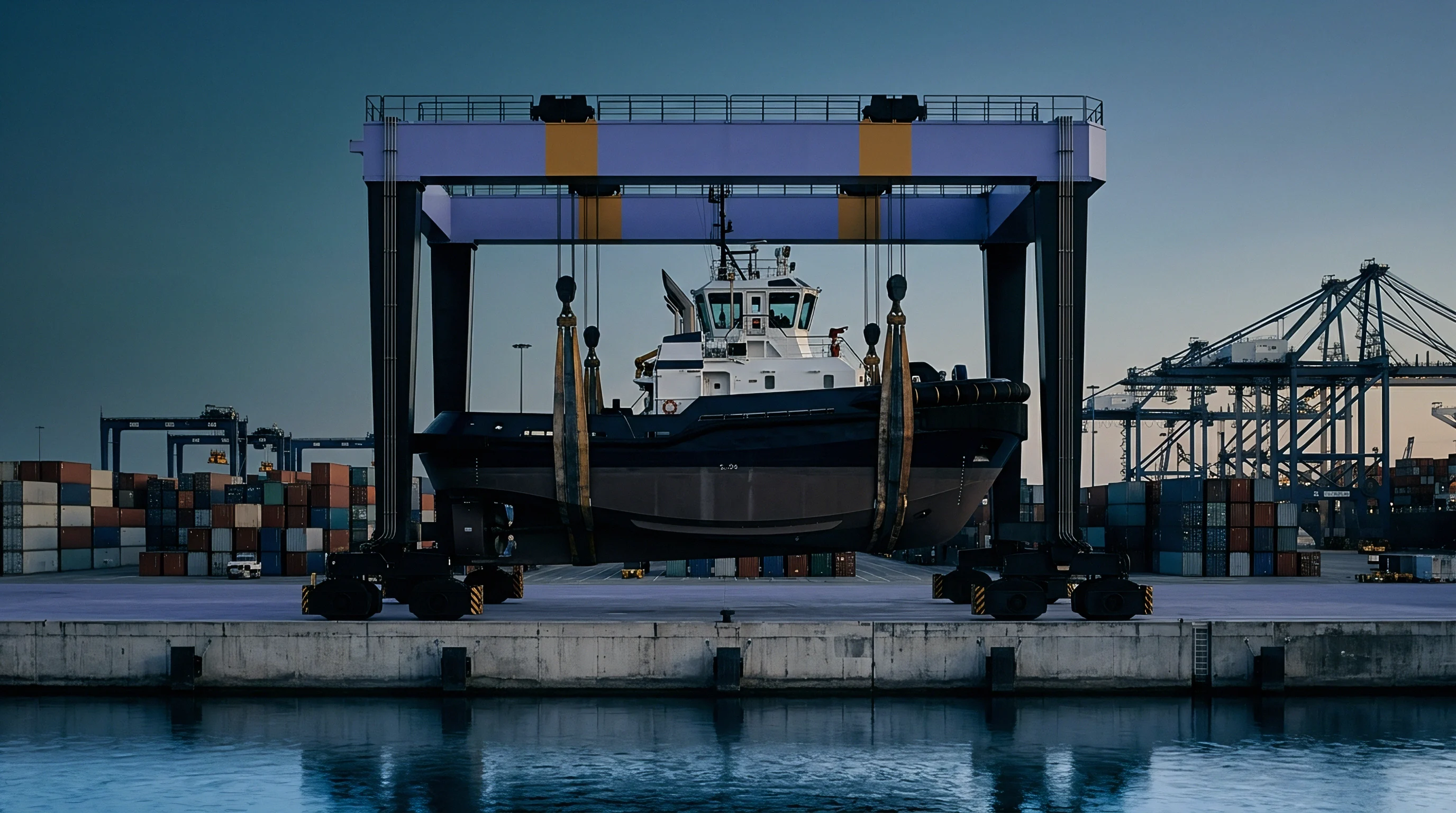
A heavy gantry crane suspends a painted steel tugboat above a concrete terminal surrounded by shipping containers at dusk.

Context

Before the announcement, procurement teams were contending with tight capacity caused by the Africa detour. Shippers mostly expected ocean carriers to stay clear of the Red Sea until security in the area settled. The immediate worry was that freight rates would keep rising if long voyages stretched through peak season.

Heavy pneumatic rollers wrapped in protective sheeting sit within a structural steel dry dock adjacent to calm basin waters.

Analysis

Routing vessels back through Suez saves roughly ten to fourteen days per trip. With shorter round-trip sailing times, MSC requires fewer ships and containers to maintain weekly departures. Reallocating eight large container vessels across other routes will expand available capacity, placing downward pressure on spot rates. Buyers should see shorter lead times along these trade lanes and improved container supply at origin ports.

An illuminated data display module containing ascending wooden height blocks stands on a concrete industrial lock platform above dark water channels.

Parameters

  • Affected services ~ Four major East-West loops connecting Asia, Europe, and India.
  • Released vessel capacity ~ Eight container ships, freed up by reducing requirements by two vessels per service rotation.
  • Suez transit savings ~ 10 to 14 days of sailing time saved versus the Africa route.
  • Effective start date ~ August 24, 2026, starting with designated sailings.

A glass and metal display case holds varied metal stock and precision-machined industrial parts on a dock.

Outlook

Over the coming weeks, MSC’s return will test safety conditions for the wider shipping industry. Procurement teams will want to track whether competing lines follow suit and restore Suez transits heading into the fourth quarter. If canal traffic rebounds toward normal levels, spot rates on major indexes should slide, giving buyers leverage in upcoming contract renewals.
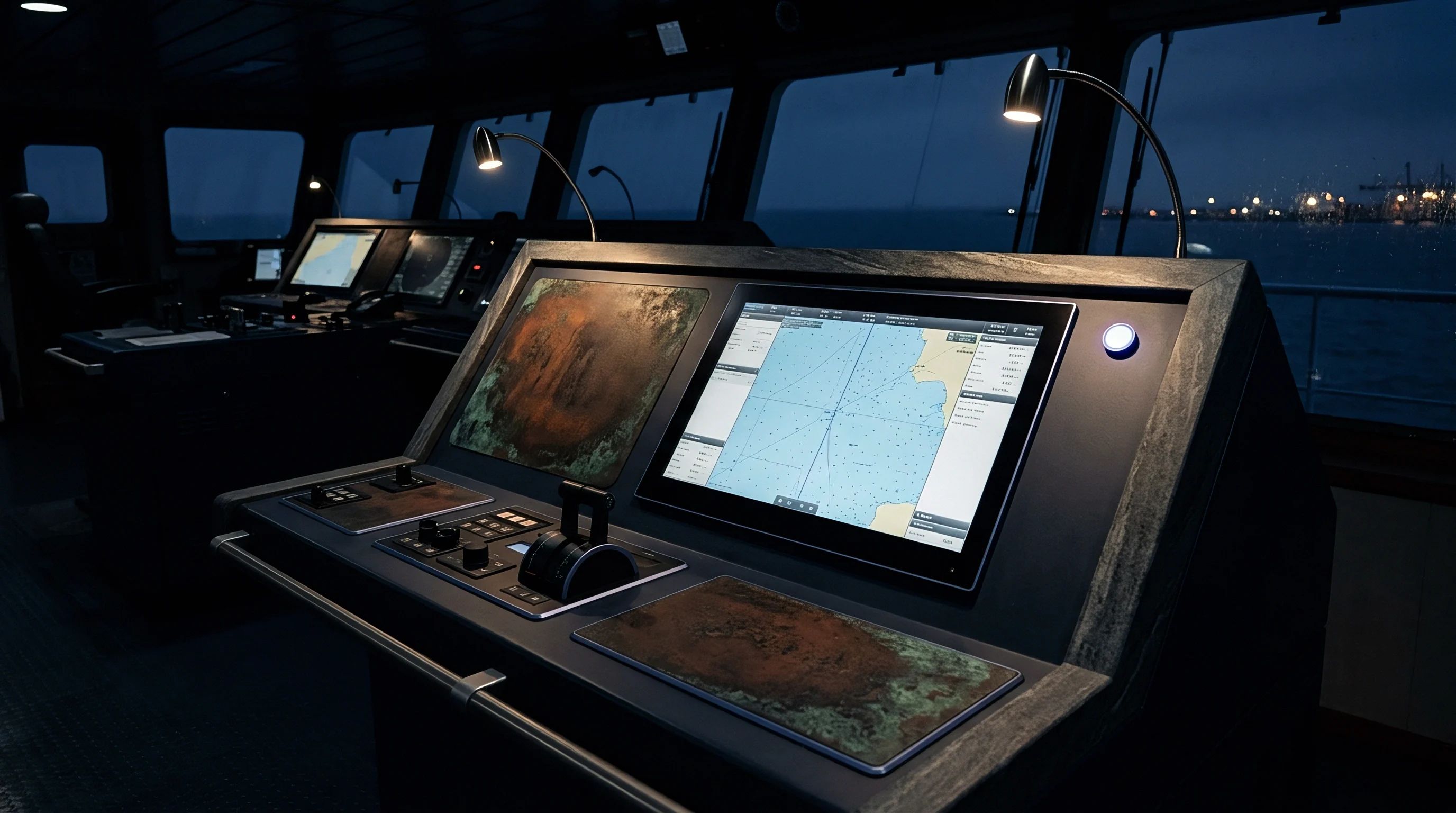
Marine navigation electronics and digital chart displays illuminate a dark ship bridge overlooking coastal waters during evening operations.

Verdict

MSC’s partial return to the Suez Canal signals an early break in the vessel capacity crunch, giving buyers a window to push for lower spot rates.

Signal Acquired from: Splash247

Nomenclature

Transport Route Planning

Operational Methodology ~ Logistical arrangement of transit sequences defines the physical trajectory of freight movement across interconnected networks to minimize fuel expenditure and time delays.

Shipping Capacity Easing

Capacity Measurement ~ Decreasing vessel utilization rates across global trade routes indicate shipping capacity easing within maritime logistics networks.

Marine Cargo Logistics

Freight Flow ~ Movement management coordinates the physical transit of goods across ocean networks.

Ocean Container Transport

Liner Shipping ~ Bill of lading contracts issued by container shipping lines govern the movement of standardized steel boxes from origin port gates to destination container terminals.

Global Supply Chain Reliability

Performance Metric ~ Consistency in the movement of goods across international borders defines global supply chain reliability.

Vessel Supply Allocation

Maritime Quota ~ Commercial capacity management divides available deadweight tonnage across competing charterers according to contracted minimum volumes and slot priority tiers.

Transit Time Reduction

Duration Metric ~ Cargo velocity measurement evaluates elapsed minutes from the initial loading dock departure to the final receiving bay arrival across industrial supply networks.

Cargo Vessel Scheduling

Operational Chronology ~ Marine logistics planning establishes the precise sequence of port calls and transit windows for freight carriers moving across global shipping lanes.

Trade Lane Capacity

Operational Constraint ~ Trade lane capacity defines the maximum physical volume of cargo moving through a specific maritime or overland corridor over a given period, constrained by vessel deployment frequency, port handling infrastructure and equipment availability.

Ocean Freight Rates

Market Pricing ~ Base cargo transportation costs constitute a dynamic valuation metric determined by the available vessel capacity and the total volume of goods awaiting international transit between major maritime hubs.

Maritime Corridor Security

Corridor Protection ~ Systematic vessel monitoring and threat mitigation frameworks protect the physical transit routes through which global freight moves between regional distribution hubs.

Maritime Route Adjustments

Operational Variance ~ Cargo carriers alter scheduled passages to bypass congestion points or severe meteorological hazards, changing transit duration and bunker consumption.

What the firm knows, published

Expertise is a utility, not a secret. sentiention™ publishes its working knowledge as open reference: intelligence layer covering the materials it sources, the markets it enters, and the reference that serves both.