Chinese Export Controls on Antimony Restrict Global Supplies for Tech Buyers

Restricted exports start September 15 forcing buyers to diversify sources for flame retardants and semiconductors immediately.

28.08.26 2 min

Briefing

Starting September 15, China will require export licenses for antimony and related items, citing national security interests. The decision forces global buyers to re-examine supply chains across lead-acid batteries, flame retardants, and infrared optics ~ industries heavily reliant on China, which accounted for 48 percent of global mine production last year. Spot prices are already rising as international availability of high-purity ingots tightens ahead of the enforcement date. The controls cover six categories of antimony products along with smelting and processing technology.

A wooden timber winch and stacked quarried stone blocks rest on a concrete floor inside an industrial architectural interior.

Context

For years, markets assumed uninterrupted access to cheap Chinese minerals, directing most supply concerns toward battery inputs like lithium. Procurement teams now face questions about whether antimony supplies will meet growing defense and electronics demand across major regions.

Stacked industrial material samples sit under a flowing blue translucent polymer sheet in a digital render of supply chain logistics.

Analysis

By imposing a permit requirement on exporters, the regulation adds immediate friction to cargo clearances. Supply chains depend on steady shipments from Chinese smelters to overseas warehouses, but discretionary licensing gives Beijing direct control over material flows based on end-use or destination. As primary supply chokes, buyers are forced toward scrap recycling and more expensive alternative mines, driving up premiums for non-Chinese material as regional inventories drop. The added layer of administrative oversight delays deliveries and increases transaction costs across the market.

Industrial safety boots rest upon metal grating on a manufacturing facility walkway beside translucent composite material layers.

Parameters

  • Implementation Date ~ September 15, 2024 marks the official start of required export license approvals for all antimony shipments.
  • Global Supply Share ~ China accounted for 48 percent of global mine production during the previous calendar year.
  • Material Scope ~ Six specific categories include antimony ore, ingots, oxides, and related processing technology.
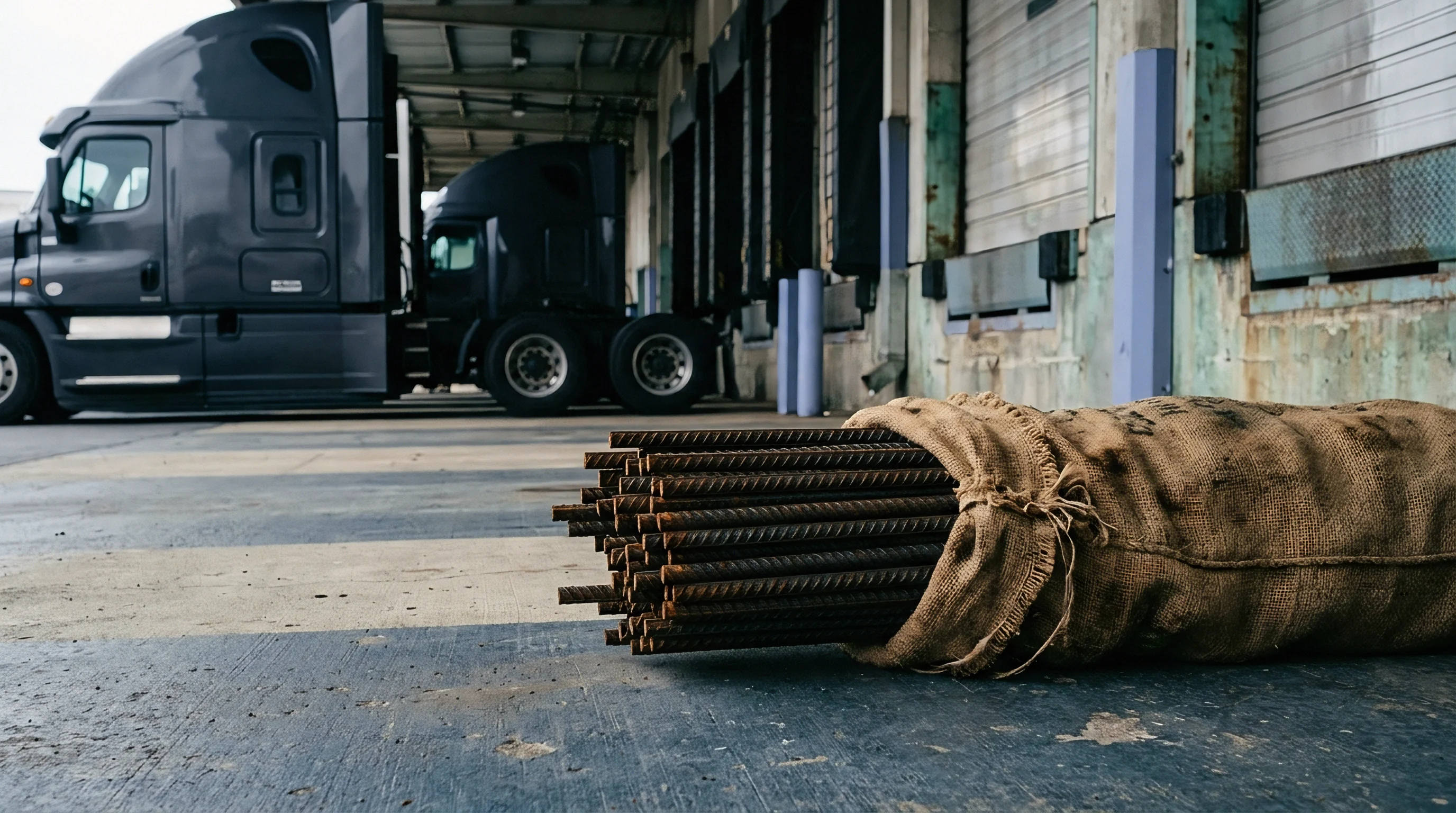
Rusty steel reinforcement bars bundled in burlap lie on concrete pavement before semi trucks parked at an industrial loading dock facility.

Outlook

Watch for the initial wave of approved export licenses in late September. If approval volumes remain low, expect a sustained gap between Chinese domestic prices and international benchmarks throughout the fourth quarter.

A high precision digital render shows a modular robotic production cell elevated above an industrial sorting framework in a dark warehouse environment.

Verdict

Buyers should immediately secure contracts for non-Chinese antimony and qualify alternative secondary smelters before the September deadline.

Nomenclature

Lead Acid Batteries

Chemical Reservoir ~ Electrochemical storage units facilitate power delivery through the controlled reaction of lead plates submerged in sulfuric acid electrolyte.

Antimony Ingots

Refined Form ~ High-purity metallic blocks molded from refined stibnite ore represent the primary commercial form of a critical metalloid used in industrial flame retardants and lead-acid battery alloys.

Export Controls

Legal Restriction ~ Regulatory frameworks applied by national governments to outbound shipments govern the physical movement of dual use technology across international borders.

Flame Retardants

Chemical Mechanism ~ Chemical additives and functional compounds inhibit, delay, or suppress combustion processes in combustible synthetic materials.

Chemical Sourcing

Procurement Protocol ~ Acquisition management systems define the structured methodology through which manufacturing entities secure raw chemical inputs while mitigating volatility in global price indices.

Mineral Supply Chains

Material Flow ~ Global trade logistics relies on mineral supply chains to move extracted raw commodities from remote extraction sites to distant processing facilities across international borders.

Strategic Stockpiling

Buffer Efficacy ~ Reserve accumulation operates as a state-directed market intervention designed to insulate domestic supply chains from external trade shocks by purchasing and holding physical commodities outside normal commercial channels.

Secondary Scrap Recycling

Market Flow ~ Industrial metal recovery operates through continuous reprocessing streams where secondary scrap recycling converts discarded manufacturing remnants and decommissioned infrastructure back into furnace-ready feedstock.

Supply Continuity

Buffer Strategy ~ Safety stock accumulation determines whether supply continuity survives component shortages without halting assembly lines.

Commodity Procurement

Supply Acquisition ~ Direct purchase of raw materials or fungible goods in bulk volume establishes the foundation for industrial input costs across global manufacturing chains.

Supply Chain Risk

Vulnerability Assessment ~ Procurement disruption probabilities describe the likelihood of external events damaging the continuity of material flows through global logistics networks.

Alloying Agents

Metallic Addition ~ Discrete chemical elements added to molten base metals alter the mechanical properties and crystalline structure of the resulting product to suit specific industrial requirements.

What the firm knows, published

Expertise is a utility, not a secret. sentiention™ publishes its working knowledge as open reference: intelligence layer covering the materials it sources, the markets it enters, and the reference that serves both.