US Finalizes Section 301 Duty Hikes on Chinese Supply Chains

Importers face twenty-five percent duties on batteries and minerals with fixed deadlines for transition orders.
29.08.26 2 min

Briefing

The United States trade representative finalized tariff increases on Chinese imports covering minerals, ship-to-shore cranes, and battery components. The decision leaves buyers revising landed costs and looking for alternative manufacturing options outside mainland China. Importers expect these new duties to apply to shipments entering after September 27 2024. Across eighteen industrial sectors, overall goods costs will rise, led by a 25 percent price increase on most non-electric vehicle battery materials.

Heavy dark solid fuel chunks fill a secured yellow fabric container positioned on a dark blue industrial surface.

Context

Procurement teams anticipated these updates following the White House review of trade measures earlier in the year. Importers and buyers tracked the public comment period to gauge when higher costs would start appearing on customs invoices. For trading desks, the primary concern was tracking the timing of battery and semiconductor hikes to see how much inventory could clear customs under old rates.

An operator examines a veined marble slab secured inside a perforated transport cassette within an industrial sourcing facility.

Analysis

Higher tariffs mean an immediate cash drain at the border. Adding a 25 percent duty to lithium-ion battery inputs directly pushes up the total price of finished energy storage units, acting much like an overnight tax on inventory. Buyers now need to review current contracts to determine whether these costs pass through automatically or land on the logistics provider. Lead times will stretch as buyers shift volume toward non-Chinese suppliers to protect margins, creating bottlenecks at regional hubs where capacity trails standard Chinese output levels.
A heavy duty auger with large gripping jaws is positioned in a logistics yard surrounded by stacked shipping containers.

Parameters

  • Battery Duty ~ 25 percent levy on lithium-ion batteries and parts used for non-vehicle applications.
  • Semiconductor Duty ~ 50 percent tariff level scheduled to take effect in the 2025 calendar year.
  • Implementation Date ~ September 27 2024 marks the start of duty enforcement across many categories.
  • Trade Value ~ 18 billion dollars in annual imports fall under this round of modifications.
A digital render displays an intricate industrial fastener assembly constructed from patinated bronze and anodized metal elements against a dark background.

Outlook

Buyers will need to track specific 2025 effective dates for semiconductors and medical supplies. The coming quarter will bring a scramble to secure alternative supply chains in markets like Vietnam and Mexico. Checking the trade portal for official exclusion decisions will show whether certain industrial machinery avoids these added costs. By the next contract season, these customs changes will form a permanent price floor.
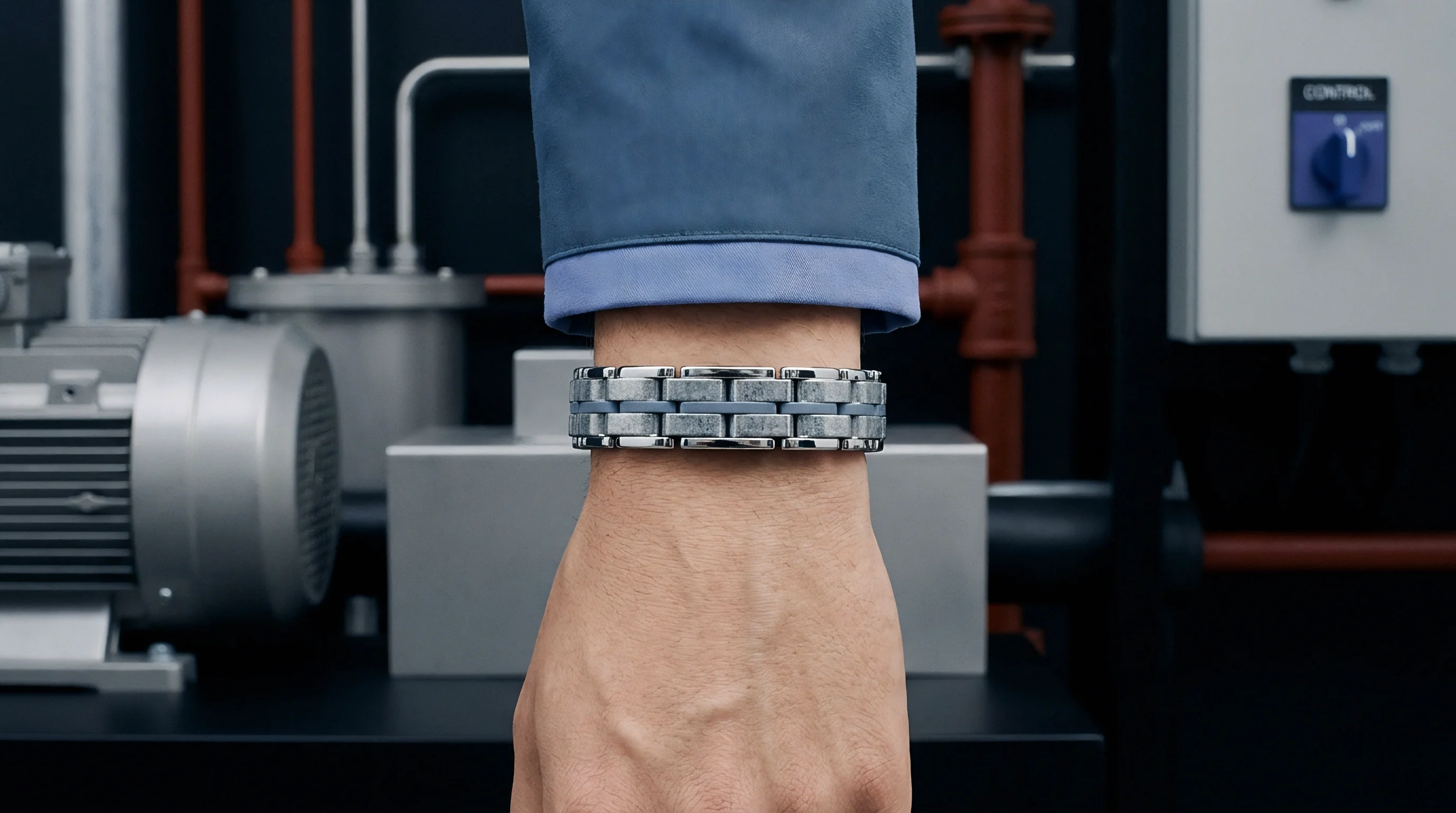
A metallic modular link assembly rests against a worker forearm inside a heavy machinery manufacturing facility with exposed steel pipes.

Verdict

Finalizing these duties establishes a permanent price floor for Chinese sourced electronic inputs and battery components.

Nomenclature

Section 301

Tariff Authority ~ Statutory power resides within the trade act, authorizing the office of the trade representative to investigate unfair acts by foreign governments.

Strategic Sourcing

Market Architecture ~ Commercial procurement methodology organizes external spending through category structures, total cost calculations and supplier risk matrices.

Mineral Sourcing

Extraction Origin ~ Raw material acquisition designates the physical and geopolitical pathway by which metallic elements move from primary deposits to industrial manufacturers.

Import Duties

Fiscal Assessment ~ Statutory taxes levied by national governments on foreign merchandise crossing international borders generate state revenue and shield domestic industries from overseas competition.

Customs Valuation

Valuation Rule ~ Legal tariff methodologies establish the taxable monetary value of imported commercial merchandise for the assessment of ad valorem customs duties and import taxes.

Chinese Imports

Volume Aggregation ~ Transoceanic merchandise arriving from manufacturing hubs inside mainland factories represents inbound maritime trade from the People Republic of China.

Lithium-Ion Batteries

Energy Storage ~ Rechargeable cells operate by moving ions between a cathode and an anode through an electrolyte medium.

Duty Pass-through

Tariff Mechanism ~ Tariff absorption happens when commercial entities transfer government-levied import charges directly downstream to buyers without retaining the fiscal burden.

Trade Enforcement

Legal Architecture ~ Regulatory pressure forms the primary mechanism by which customs agencies police cross border product flows.

Supply Chain Risk

Vulnerability Assessment ~ Procurement disruption probabilities describe the likelihood of external events damaging the continuity of material flows through global logistics networks.

Trade Compliance

Statutory Observance ~ Systematic adherence practice ensures that a business follows all laws and regulations governing the movement of goods across international borders.

Battery Logistics

Thermal Routing ~ Chemical storage cells require specialized transport networks that maintain internal temperatures within strict operational limits during transit.

What the firm knows, published

Expertise is a utility, not a secret. sentiention™ publishes its working knowledge as open reference: intelligence layer covering the materials it sources, the markets it enters, and the reference that serves both.