Record COMEX Copper Stockpiles Threaten to Cap Future Procurement Price Hikes

Record high COMEX copper inventories of 675,185 tonnes are poised to neutralize supply squeezes and limit future rate hikes.

30.08.26 2 min

Briefing

Commodity Exchange copper inventories have climbed to an all-time high after months of tariff arbitrage, building a reserve that insulates industrial buyers against warehouse supply pinches. The accumulation cushions against sudden spot spikes, letting corporate purchasers hold off on locking in long-term contracts while negotiating tighter spot margins. COMEX warehouses now hold a record 675,185 metric tonnes of copper.

An open warehouse looks out onto a remote mineral extraction site where a truck travels past stockpiles toward an interior staging table.

Context

Procurement desks spent the first half of the year bracing for refined metal squeezes and persistent deficits. Asian mine shutdowns and acute sulfur shortages threatened to push prices beyond workable levels, and steady drawdowns at London Metal Exchange warehouses raised concerns that physical stock would evaporate before autumn contracting began.

A logistics worker sitting on wooden pallets adjusts heavy leather safety footwear inside an industrial warehouse environment.

Analysis

The run-up in COMEX inventories stems from trade-route arbitrage. Traders moved heavy tonnages of refined metal into the United States to front-run anticipated import tariffs, stranding those volumes in domestic storage. Even as recent LME drawdowns pushed cash prices near record highs, the US stockpile serves as a release valve for the wider market: if regional spot availability tightens, metal can be redirected into trade lanes before localized deficits force up finished goods pricing. For downstream buyers of wire, tube, and metal alloys, that overhang should strip out the supply-risk surcharges common on recent vendor quotes.

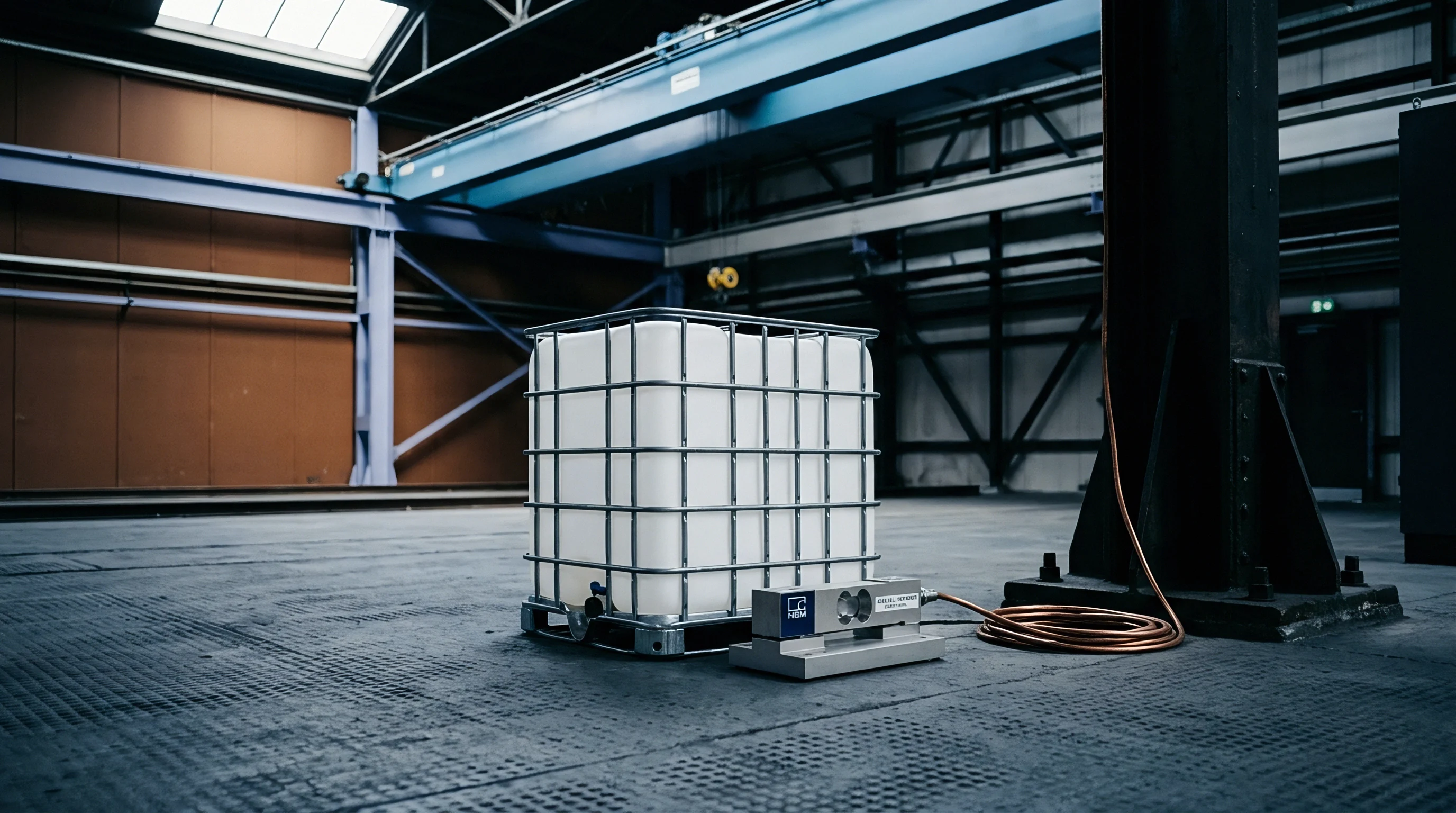
A green metal industrial unit with copper pipes rests within a steel mesh pallet container on a workshop floor near windows.

Parameters

  • COMEX Copper Inventory Volume ~ 675,185 metric tonnes in storage as of late August 2026, an all-time high.
  • LME Cash Copper Price ~ 14,232.50 dollars per metric tonne, easing slightly off peak levels.
  • Warehouse Withdrawal Volume ~ 65,400 tonnes taken out of LME sheds in a matter of days.
  • LME Historical Peak Price ~ 14,527.50 dollars per metric tonne, the established ceiling benchmark.

Heavy industrial conveyor structures span across massive stockpiles of dark extracted ore and white mineral aggregate under an open sky.

Outlook

The coming months will test whether that buffer holds. Procurement teams need to track weekly COMEX warehouse reports for sustained outflows; back-to-back draws through the autumn contracting window would erode this ceiling and leave purchasing budgets vulnerable to renewed metal rallies.
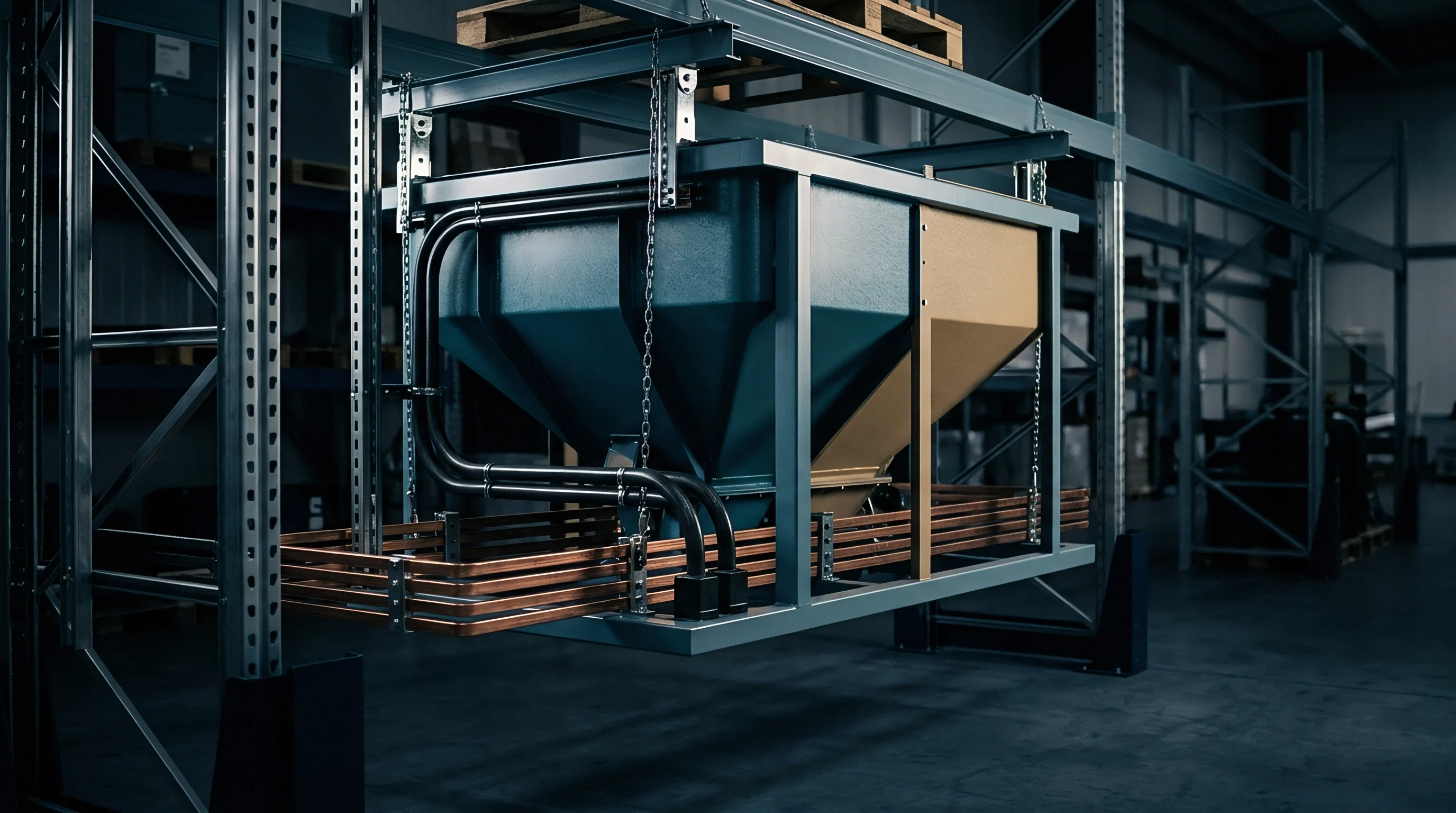
Steel and polymer components form a suspended bulk storage hopper rendered digitally within a dimly lit industrial warehouse facility.

Verdict

High warehouse inventories buffer against copper spikes, removing any immediate need to lock into expensive long-term supply contracts.

Signal Acquired from: Crux Investor

Nomenclature

Industrial Procurement Strategy

Procurement Governance ~ Long-term supply acquisition frameworks manage how organizations secure inputs through coordinated scheduling and contract duration alignment.

Futures Arbitrage

Price Spread ~ Price convergence across delivery windows defines futures arbitrage as a simultaneous purchase in one maturity month and sale in another.

Commodity Price Hedging

Risk Offset ~ Financial risk management involves using derivative instruments to fix the cost of raw materials.

Refined Metal Reserves

Stockpile Accounting ~ Commodity holdings held in refined form represent the tangible inventory of processed base metals maintained by producers or exchange warehouses to balance output cycles with manufacturing demand.

London Metal Exchange

Pricing Authority ~ The primary global center for industrial metals trading provides benchmark pricing and physical delivery mechanisms for the world's base metal markets.

Bulk Inventory Management

Stockpile Control ~ Systematic oversight of raw material stockpiles ensures that industrial production remains continuous despite fluctuations in supply arrival.

Warehouse Stock Withdrawals

Inventory Depletion ~ Movement of goods out of a storage facility marks the transition from stagnant stock to active industrial use.

Trade Barrier Exposure

Tariff Exposure ~ Trade barrier exposure designates the quantitative vulnerability of a specific supply chain node or commercial portfolio to shifting customs duties, quotas, and non-tariff restrictions imposed by sovereign authorities.

Industrial Metals Procurement

Contract Structure ~ The strategic sourcing of primary non-ferrous and ferrous metals for manufacturing operations constitutes a major division of corporate supply chain management.

Raw Material Costs

Procurement Valuation ~ Economic accounting identifies the total cash outflow dedicated to the acquisition of physical commodities needed for manufacturing processes.

Spot Market Pricing

Transaction Valuation ~ Immediate cash offers for industrial commodities facilitate the exchange of goods for prompt delivery.

Material Cost Forecasts

Budgetary Projection ~ Analytical modeling of raw commodity inputs provides a structured estimation for future expenditure within manufacturing procurement.

What the firm knows, published

Expertise is a utility, not a secret. sentiention™ publishes its working knowledge as open reference: intelligence layer covering the materials it sources, the markets it enters, and the reference that serves both.