Extended European Union Ferro Silicon Duties Locking in Elevated Alloy Procurement Costs

European alloy buyers must sustain alternative supply lines as extended duties lock in up to 31.2 percent tariffs.


30.08.26 2 min

Briefing

The European Commission has published Implementing Regulation (EU) 2026/1794, extending definitive anti-dumping duties on ferro-silicon imports from China and Russia. The decision shuts out low-priced volume from both origins for another five years, locking in tariff rates of up to 31.2 percent on Chinese material and up to 22.7 percent on Russian shipments, while keeping European mills reliant on regional smelters and alternative foreign routes.

A manufacturing specialist examines a heavy steel industrial swivel alongside diverse material samples and a photovoltaic solar panel in a studio setting.

Context

Leading into the decision, procurement desks had been tracking the expiry review to see whether Brussels would let the trade measures lapse. Allowing the protective tariffs on primary ferro-silicon to expire would have restored access to cheaper material from major global producers, easing margin pressure across European steel operations.

A heavy steel vault door and canvas cargo bag rest on an industrial concrete mezzanine near a safety railing.

Analysis

The Commission’s expiry review concluded that removing the tariffs would trigger an immediate return of dumped volume, putting severe financial strain on domestic alloy producers. Individual duty rates remain in place: Erdos Xijin Kuangye is held at 15.6 percent, Lanzhou Good Land at 29 percent, and all other Chinese exporters face 31.2 percent, alongside tariffs of up to 22.7 percent on Russian supply. Because domestic European smelters cannot cover regional demand without a pricing premium, mills must either absorb higher alloy costs or undertake lengthy technical qualifications for replacement origins. Those raw material premiums pass straight into finished long and flat steel prices, keeping downstream purchase costs elevated.
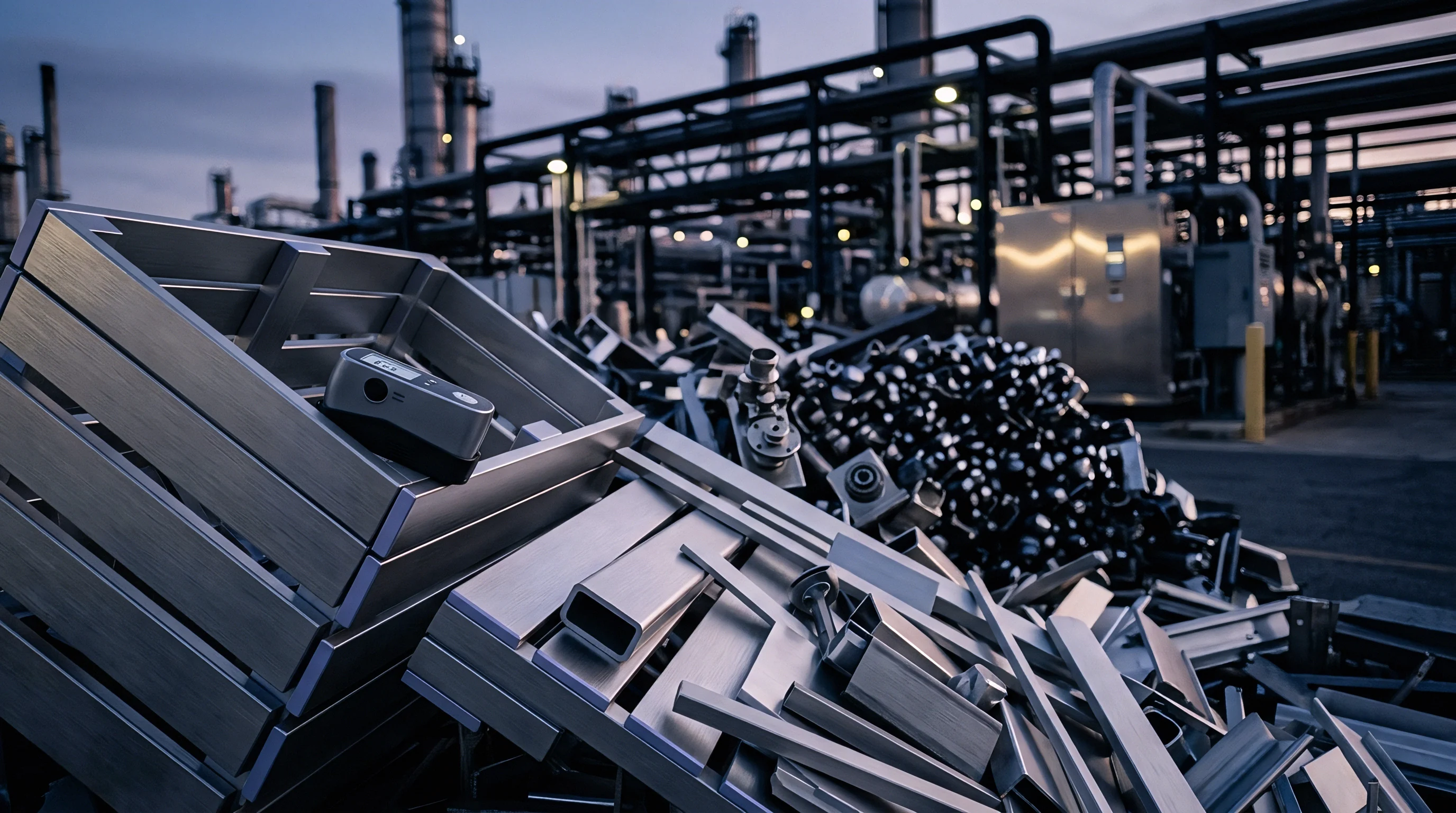
Industrial metal crates and sorted steel components rest on pallets outside a processing plant under evening skies.

Parameters

  • China Duty Ceiling ~ A definitive tariff rate of 31.2 percent applied to all unlisted Chinese ferro-silicon exporters.
  • Russia Duty Ceiling ~ A definitive tariff rate of 22.7 percent applied to all unlisted Russian ferro-silicon exporters.
  • Preferential China Rate ~ A 15.6 percent rate granted to Erdos Xijin Kuangye Co. Ltd based on cooperative findings.
  • Preferential Russia Rate ~ A 17.8 percent rate granted to Bratsk Ferroalloy Plant.
  • Covered Materials ~ Products falling under Combined Nomenclature codes 7202 21 00, 7202 29 10, and 7202 29 90.
  • Policy Duration ~ A five-year extension running through July 2031.

A miniature industrial crane holding glass vials and a crucible stands beneath a heavy testing press inside a clean laboratory environment.

Outlook

Buyers will need to track European ferro-silicon spot and contract indices against global averages over the next few quarters. A widening spread against Asian benchmarks will exacerbate mill margin pressures and accelerate qualifying runs with producers in Brazil or Malaysia. Alloy procurement desks should audit their supply lines ahead of the winter contracting cycle to guarantee compliant tonnage.

A person in a white linen shirt rests bare arms on a dark metal shuttered barrier inside an industrial facility.

Verdict

Industrial buyers will need to maintain alternative ferro-silicon supply channels, with no near-term relief expected for alloy surcharges or finished steel prices in Europe.

Signal Acquired from: Mysteel

Nomenclature

Alloy Sourcing

Metal Procurement ~ Strategic procurement of metallic mixtures involves identifying and qualifying smelters and refiners capable of meeting chemical specifications for specific industrial applications.

Industrial Metals

Material Definition ~ Commodities extracted from geological deposits through mining and refining serve as the primary inputs for manufacturing, construction, and power generation sectors across global economies.

Ferro Alloys

Iron Alloy ~ Primary iron alloys containing major proportions of elements like manganese, silicon, molybdenum or chromium act as essential additives in the production of stainless and specialty steels.

Commodity Tariffs

Market Importation ~ Periodic fiscal charges applied to incoming raw materials shift the total landed cost calculations for industrial producers.

Metal Procurement

Industrial Sourcing ~ Acquisition activity secures raw industrial inputs through established trade channels to maintain consistent production output.

European Trade Defence

Regulatory Instrument ~ A policy framework administered by the European Commission protects domestic manufacturers from unfair international trade practices.

Sourcing Strategies

Procurement Logic ~ Procurement activity constitutes a formal structure for acquiring goods or services to satisfy organizational demand.

Supplier Diversification

Risk Strategy ~ Procurement strategies designed to reduce supply chain vulnerability distribute purchasing volume across multiple independent vendors instead of relying on a single partner.

Steel Raw Materials

Feedstock Requirement ~ Bulk commodities such as iron ore, metallurgical coal, and recycled scrap metal represent the primary inputs for industrial ferrous metal production.

Material Costs

Base Valuation ~ Industrial procurement teams track material costs as the direct expenditure required to acquire raw inputs for manufacturing processes.

Trade Protection

Tariff Structure ~ Trade protection operates as a system of government interventions designed to shelter domestic producers from foreign competition by raising the cost of imported goods.

Tariff Extension

Duration Extension ~ Customs authorities grant a tariff extension when a bonded shipment remains within a designated holding zone beyond its initial statutory window.

What the firm knows, published

Expertise is a utility, not a secret. sentiention™ publishes its working knowledge as open reference: intelligence layer covering the materials it sources, the markets it enters, and the reference that serves both.