U.S. Cuts Canadian Softwood Lumber Tariffs to Lower Procurement Costs

Sourcing teams can expect a drop in Canadian softwood import prices by mid-August as duties fall to twenty-five percent.


29.08.26 2 min

Briefing

The United States Department of Commerce announced a planned reduction of the combined anti-dumping and countervailing duty rate on Canadian softwood lumber imports from thirty-five percent down to twenty-five percent starting in mid-August. Lower duties will trim procurement costs for wood materials used in homebuilding and packaging across the United States, giving sourcing desks relief after years of high cross-border trade costs. The ten percentage point tariff cut directly reduces import taxes on a trade flow worth billions of dollars annually.

A large aerospace door assembly rests on a wooden cargo pallet positioned on an illuminated tarmac surrounded by nocturnal hangar facilities and aircraft silhouettes.

Context

Procurement departments have faced a combined lumber duty of thirty-five percent for months , straining budgets and pushing domestic buyers toward alternative lumber suppliers. Separate national security tariffs remained in effect to compound that pressure , keeping sourcing teams attentive to regular administrative reviews for relief from stacked import penalties.

Polymer beads and layered insulation panels rest on a concrete warehouse floor beside industrial steel framing during raw material sorting.

Analysis

The change comes as the Department of Commerce concludes its regular review of Canadian lumber trading practices. Finding that Canadian mills were dumping less product and receiving lower government subsidies, trade officials cut countervailing and anti-dumping tariffs to match the updated findings. The ten percent reduction applies directly to customhouse invoices at the border, trimming duty payments for importers and easing price pressure down the supply chain to final assembly.

Steel and polymer components form a suspended bulk storage hopper rendered digitally within a dimly lit industrial warehouse facility.

Parameters

  • New Combined Tariff Rate ~ Twenty-five percent total across countervailing and anti-dumping duties after the cut.
  • Previous Combined Tariff Rate ~ Thirty-five percent applied prior to this administrative review.
  • Effective Date of the Tariff Reduction ~ Mid-August 2026 is the scheduled start for collecting lower duties.
  • Total Rate Decrease ~ Ten percentage points total cut across Canadian imports.

A heavy mineral deposit rests precariously beside a dark ceramic receptacle while a hand parts sheer fabric in a dim industrial studio.

Outlook

Over the coming weeks, buyers should watch futures markets and weekly composite pricing from lumber services to track how fast lower tariffs filter into domestic prices. Sourcing teams also need to watch upcoming Department of Commerce filings, since future quarterly reviews could bring additional revisions.
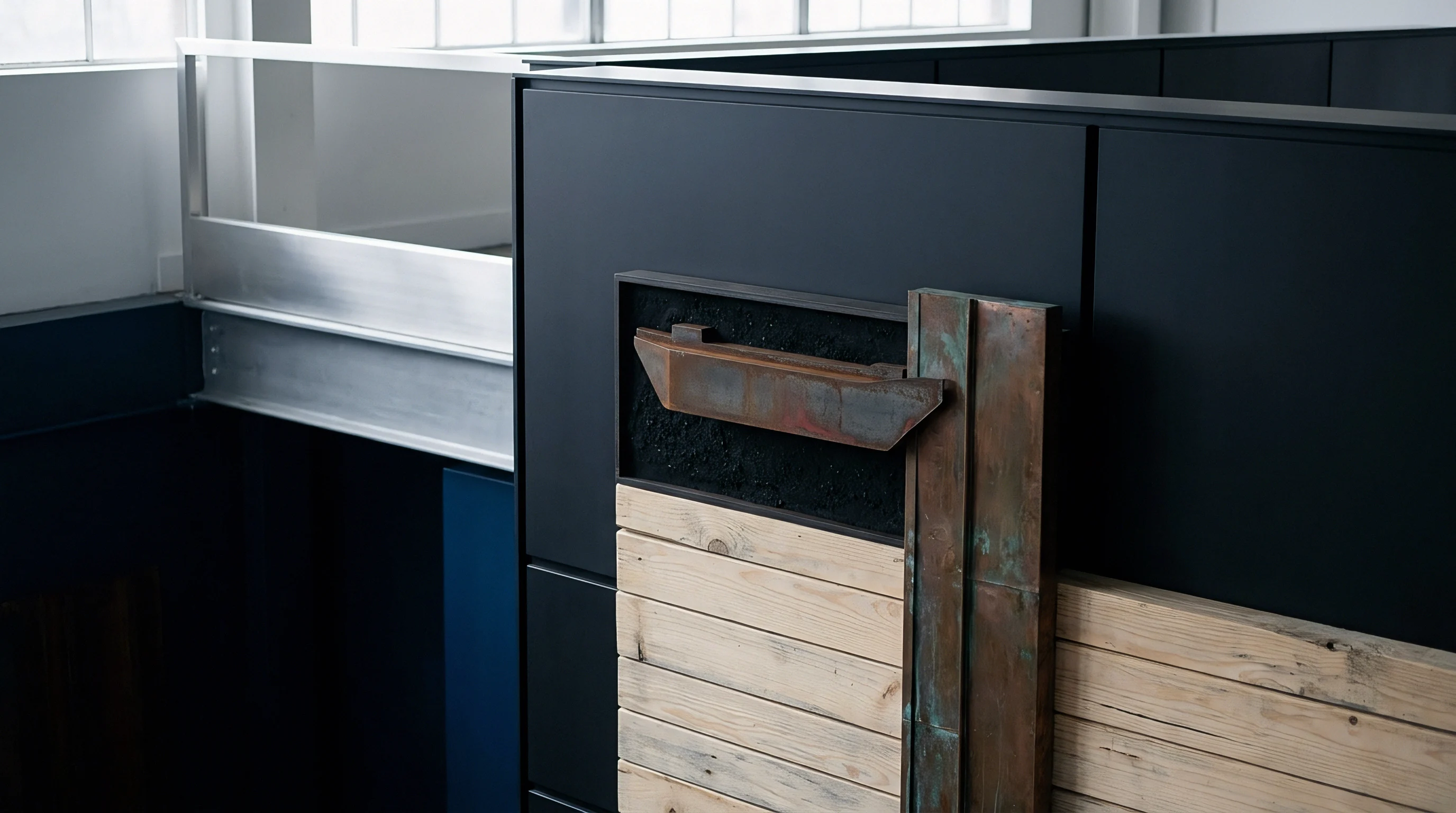
A weathered metal hull model rests above timber planks and oxidized copper panels mounted on a dark industrial wall.

Verdict

Cutting Canadian softwood lumber duties lowers border taxes by ten percentage points, giving sourcing teams a direct chance to secure lower raw material costs.

Nomenclature

Materials Pricing

Cost Estimation ~ Value determination method fixes the financial worth of raw commodities and components used in the production of finished goods.

Forest Products

Timber Volume ~ Commercial timber harvest yields physical commodities traded under the name of forest products, grouping sawn lumber, wood pulp, and structural panels into a single aggregate market metric.

Trans Border Shipping

Logistics Requirement ~ Freight movement between distinct sovereign territories triggers specific regulatory filings and tariff assessments.

Countervailing Duty

Trade Remedy ~ Special import tariffs imposed by national governments offset unfair financial assistance granted to foreign exporters by their home states.

Customs Duty

Tariff Baseline ~ Fiscal imposition applied to imported commodities at the border creates a financial barrier that alters the landed cost structure of international trade.

Building Materials

Material Definition ~ Heavy construction inputs comprising structural steel, cement, aggregates, and dimensional timber form the physical foundation of civil infrastructure projects.

Anti-Dumping Duties

Regulatory Scope ~ Government intervention measures are applied to foreign goods sold below their fair market value to prevent injury to domestic industries.

Raw Material Costs

Procurement Valuation ~ Economic accounting identifies the total cash outflow dedicated to the acquisition of physical commodities needed for manufacturing processes.

Logistics Management

Operational Oversight ~ Coordination of the movement and storage of goods within a firm ensures that inventory reaches the intended destination at the minimum cost while satisfying performance requirements.

Supply Chain Risk

Vulnerability Assessment ~ Procurement disruption probabilities describe the likelihood of external events damaging the continuity of material flows through global logistics networks.

Customs Compliance

Regulatory Duty ~ National border authorities mandate a structural adherence to import and export statutes which dictates the legal movement of goods across sovereign lines while ensuring the collection of accurate duties.

Trade Tariffs

Border Surcharge ~ Government-mandated excise taxes imposed on imported foreign merchandise raise landed product costs at the point of customs entry.

What the firm knows, published

Expertise is a utility, not a secret. sentiention™ publishes its working knowledge as open reference: intelligence layer covering the materials it sources, the markets it enters, and the reference that serves both.