Alumina Refinery Supply Cuts Raise Feedstock Costs for Aluminum Buyers

Supply cuts at major alumina refineries raise feedstock costs, signaling tighter aluminum margins and potential price increases.

28.08.26 2 min

Briefing

Major refinery disruptions have tightened global alumina availability, pushing spot prices past 350 dollars per metric ton in August. The squeeze leaves aluminum buyers bracing for narrower smelter margins and mounting upstream price pressures. The deficit comes after Alcoa trimmed its annual alumina production guidance by up to 300,000 metric tons and Norsk Hydro reduced output to 50 percent capacity at its Brazilian Alunorte facility. Because every metric ton of aluminum requires roughly two metric tons of alumina, the supply gap hits smelter economics worldwide.

A high precision digital render shows a modular robotic production cell elevated above an industrial sorting framework in a dark warehouse environment.

Context

Across the first half of the year, procurement desks focused on an expected global aluminum deficit while watching shipping lane volatility in the Middle East. Buyers assumed alumina prices would stay between 310 and 340 dollars per metric ton , maintaining stable smelter margins. The primary uncertainty was whether slowing Chinese industrial activity would dampen metal demand enough to drive a wider price pullback across base metals.

Crushed wood biomass rests beside a metal rack holding sequential glass vials filled with dark amber extraction liquids on a tabletop.

Analysis

The recent price spike follows two separate operational failures that interrupted bauxite refining. Alcoa ran into technical problems and weather-related gas shortages in Australia , while Norsk Hydro faced natural gas pipeline issues in Brazil. Smelters need a constant supply of alumina to run, so when refinery output drops, operators must buy expensive spot cargoes or curb production. Because alumina cannot be easily stored in large volumes, these simultaneous cuts rapidly drained spot inventories. That tightness forces smelters to absorb high raw material premiums, cutting into margins and leaving them resistant to lower prices on finished aluminum.
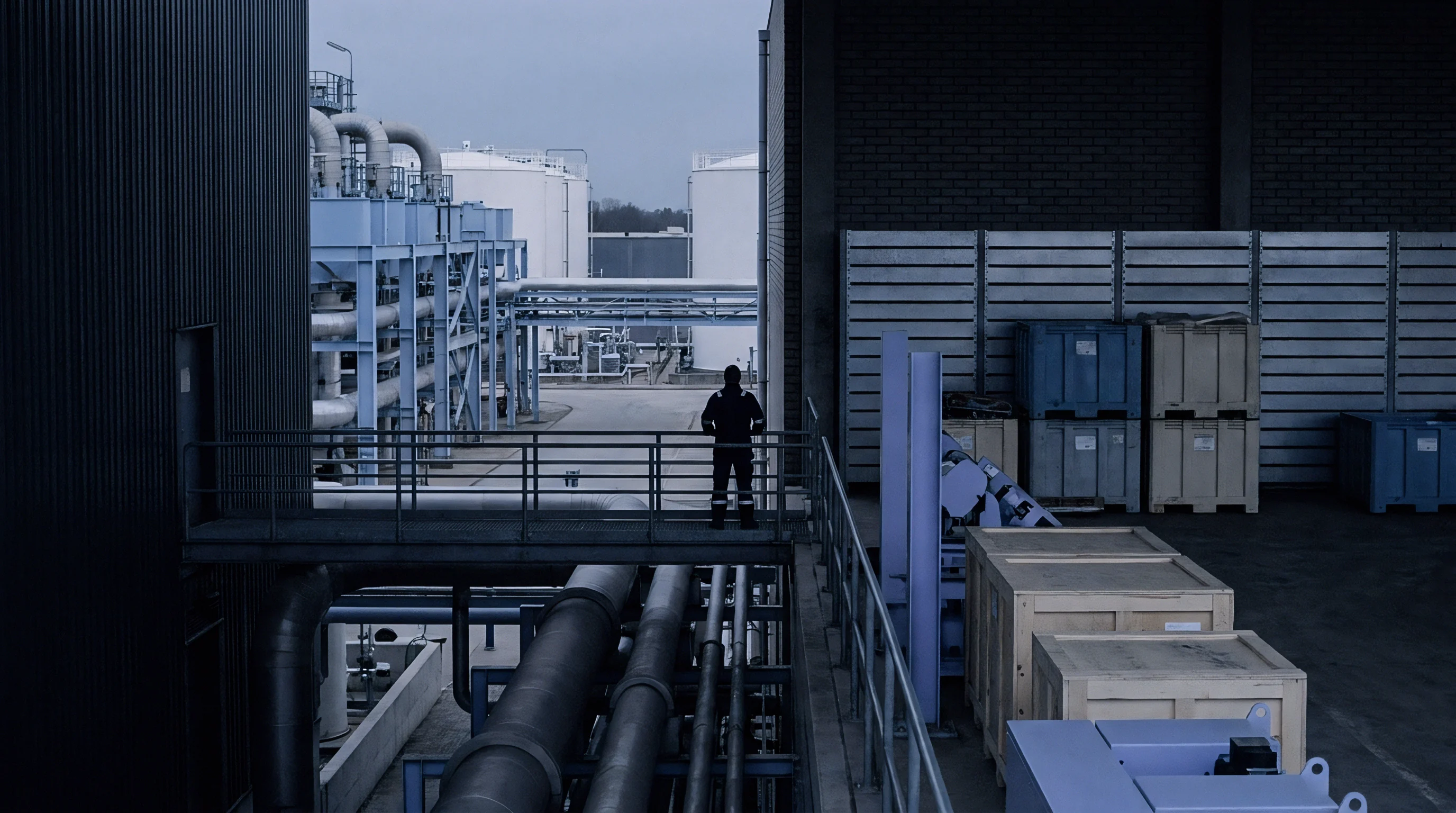
A uniformed operative observes industrial pipes and storage structures from an elevated metal walkway at a chemical processing complex.

Parameters

  • Alcoa Production Guidance Cut ~ Full-year 2026 alumina output reduced by 200,000 to 300,000 metric tons.
  • Alunorte Refinery Production Level ~ Operations reduced to 50 percent capacity following regional gas disruptions in Brazil.
  • Alumina Spot Price Level ~ Surpassed 350 dollars per metric ton in August 2026.
  • Feedstock Conversion Ratio ~ Roughly two metric tons of alumina are consumed for every metric ton of refined aluminum produced.

Leather protective gloves and a polished aluminum fitting rest beside a black bucket on a wooden bench inside a facility locker room.

Outlook

In the coming weeks, buyers should track Norsk Hydro’s gas supply recovery in Brazil and Alcoa’s progress stabilizing its Australian refineries. Spot market volumes will clarify whether these outages are temporary or if supply tightness will stretch into contract season. If refinery output fails to recover by the fourth quarter, primary smelters will face sustained margin pressure , making it hard for buyers to negotiate lower premiums on metal contracts for the coming year.

A bare human hand touches compressed gray fibrous raw material bales aligned neatly inside a large industrial warehouse facility.

Verdict

Prepare for elevated primary aluminum contract premiums as upstream refinery disruptions keep raw material costs high.

Signal Acquired from: Westpac IQ

Nomenclature

Feedstock Costs

Input Valuation ~ Raw material expenditure represents the primary financial requirement for acquiring the basic components or precursor substances needed to initiate a commercial manufacturing cycle.

Alumina Refining

Thermal Extraction ~ Conversion capacity calculation defines the boundary where industrial bauxite processing transforms raw mineral input into purified metal oxide.

Aluminum Smelters

Industrial Conversion ~ Electro-chemical facilities convert alumina into molten metal through high-amperage electrolysis cells.

Metal Procurement

Industrial Sourcing ~ Acquisition activity secures raw industrial inputs through established trade channels to maintain consistent production output.

Smelter Margins

Financial Spread ~ Economic compensation collected by primary metal facilities measures the gross difference between raw material costs and finished output values across a production cycle.

Industrial Metals

Material Definition ~ Commodities extracted from geological deposits through mining and refining serve as the primary inputs for manufacturing, construction, and power generation sectors across global economies.

Bauxite Supply

Mineral Flow ~ Refined aluminum production relies on the primary extraction of bauxite supply to feed global smelter operations.

Alumina Spot Prices

Market Quotation ~ Non-contractual valuations represent the immediate transaction value for refined aluminium oxide powder sold on an open delivery basis.

Alumina Supply

Bauxite Flow ~ Raw material logistics tracking monitors the physical movement of unprocessed aluminum ore from remote mining sites to coastal processing facilities, determining whether smelters maintain sufficient inventory to sustain continuous metal production without unexpected interruptions.

Commodity Supply Chain

Spatial Pipeline ~ The physical movement of bulk materials from extraction sites across oceans to processing plants constitutes a global commodity supply chain.

What the firm knows, published

Expertise is a utility, not a secret. sentiention™ publishes its working knowledge as open reference: intelligence layer covering the materials it sources, the markets it enters, and the reference that serves both.