US Polypropylene Prices Decline despite Upward Pressure from Rising Feedstock Costs

Low demand and competitive imports force a six percent price reduction for North American resin buyers.

30.08.26 2 min

Briefing

North American polypropylene spot prices fell in August, dragged down by heavy domestic inventories and cheap import offers despite localized supply tightness. Upstream polymer-grade propylene feedstock rose 8 percent after maintenance shut down Gulf Coast refinement units, but downstream resin buyers resisted the hike. Buyers secured an average 6 percent price drop since early August, with producers trimming offers to clear surplus stock and compete against incoming shipments from Asia and the Middle East.

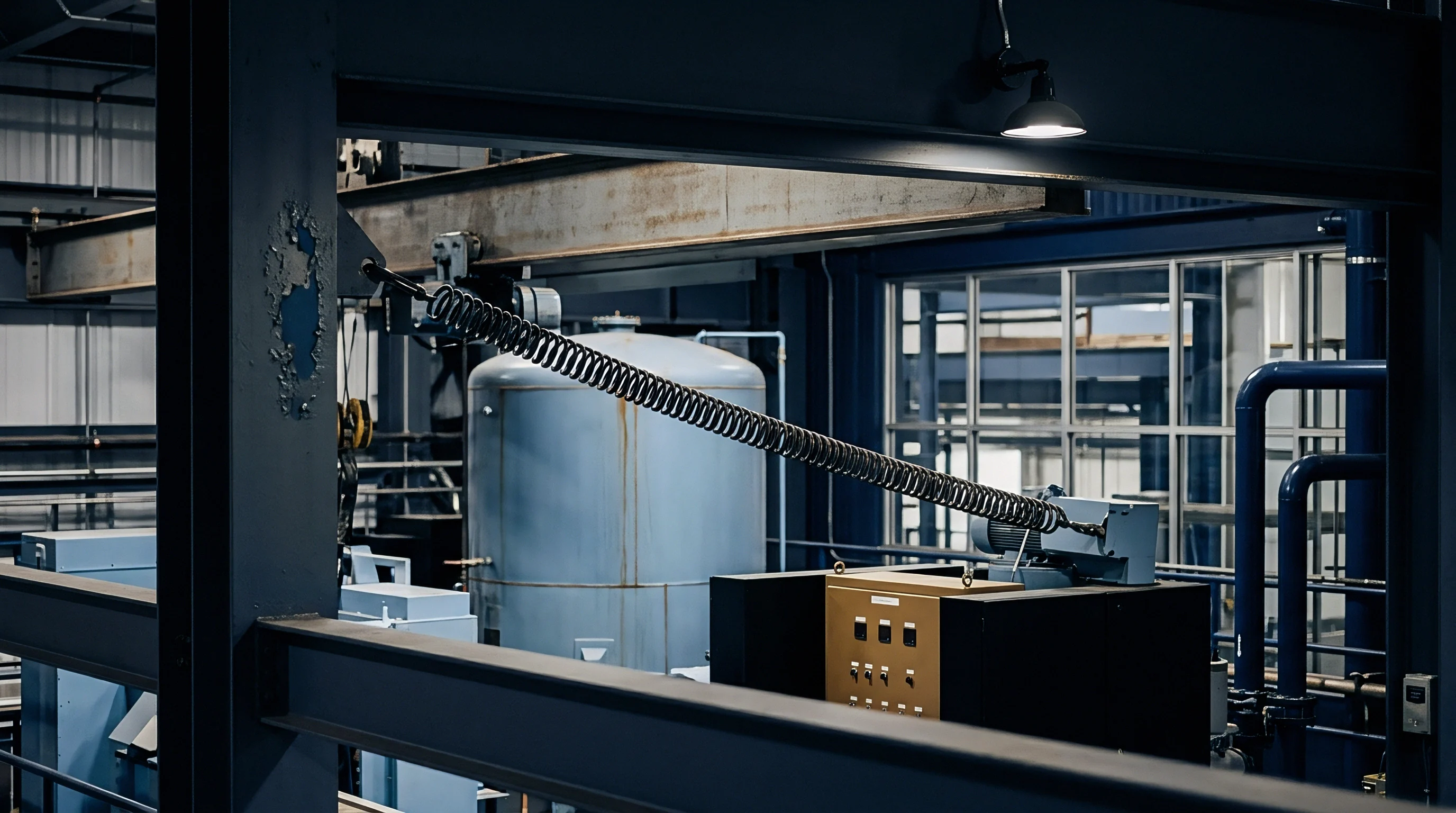
A heavy steel tractor fifth wheel coupling mechanism rests on a wet concrete floor inside an industrial maintenance facility.

Context

Procurement teams entered August expecting price increases tied to refinery turnarounds in the propylene sector. The main question across trading desks was whether tight availability in select copolymer grades would trigger a broader rally in standard homopolymer contracts.
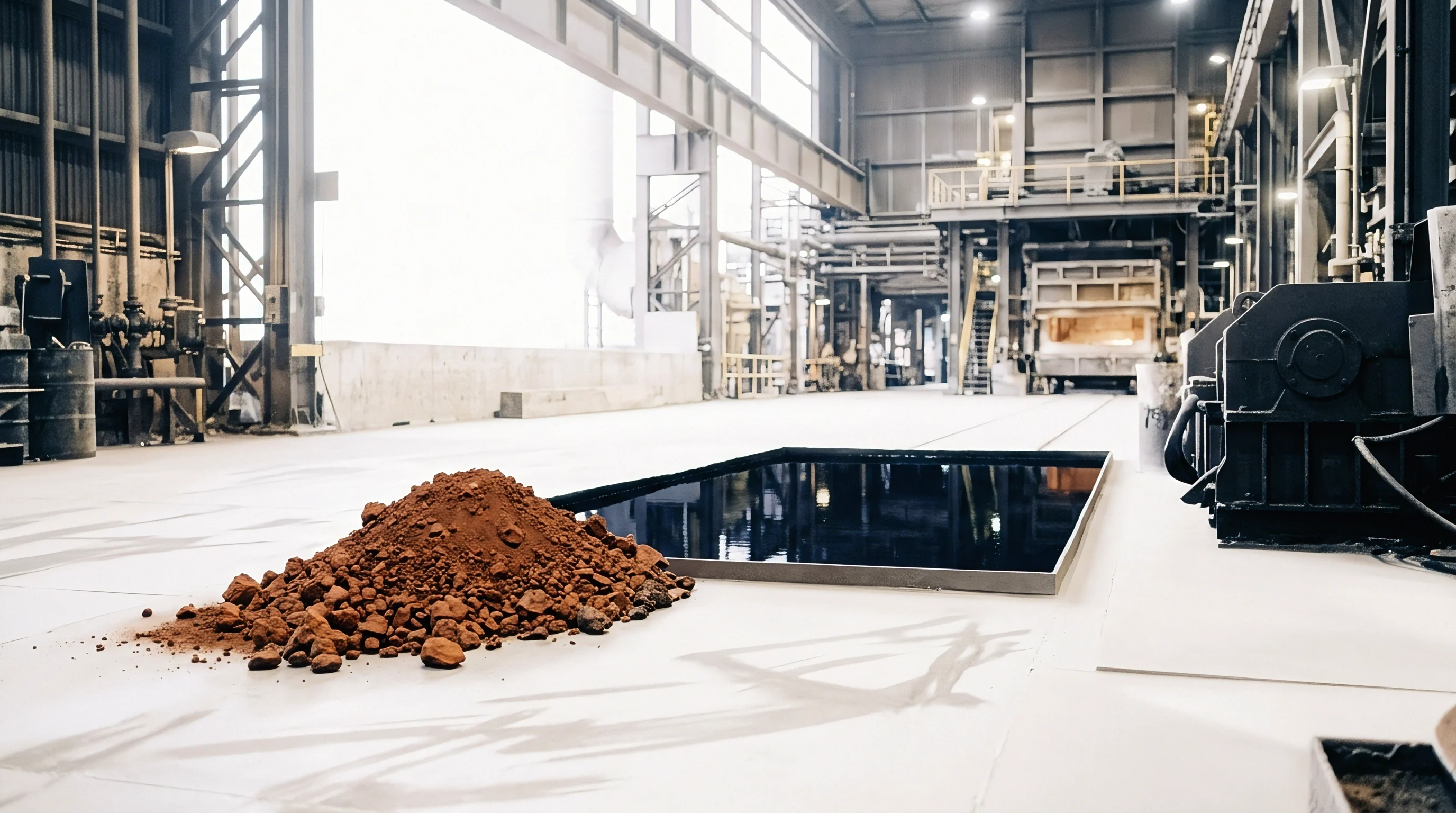
Raw ore sits on the concrete floor of a heavy industrial manufacturing facility next to a dark liquid quenching bath.

Analysis

Polypropylene has largely decoupled from feedstock costs, leaving North American producers caught between rising domestic production expenses and a global glut of finished resin. Because regional processors rebuilt their inventories over the previous four months, converters have enough stock on hand to pass on prompt spot offers carrying high premiums. Cheap foreign inflows continue to cap domestic quotes, leaving producers to choose between building expensive inventory or sacrificing margins to maintain plant operating rates. So long as ocean freight imports remain competitive, regional buyers can easily resist feedstock surcharges.

A bare human hand touches compressed gray fibrous raw material bales aligned neatly inside a large industrial warehouse facility.

Parameters

  • Six percent price drop ~ Approximate monthly decline in US polypropylene spot resin prices.
  • Eight percent rise ~ Monthly cost increase for upstream polymer-grade propylene feedstock.
  • 100 million pounds ~ Average monthly volume by which domestic resin sales surpassed the same period last year.

Polymer beads and layered insulation panels rest on a concrete warehouse floor beside industrial steel framing during raw material sorting.

Outlook

Buyers should watch restart timelines for Texas and Louisiana facilities undergoing maintenance through September, as operating rates recover when these plants return. If domestic stocks remain high and import offers stay competitive, resin pricing will likely keep drifting lower into fourth-quarter contract negotiations.

An industrial robotic arm applies downward pressure onto a composite material specimen positioned on a textured slate workbench within a manufacturing facility.

Verdict

Resin buyers hold the upper hand, leaning on existing inventories and cheap import options to buffer against rising domestic feedstock costs.

Signal Acquired from: ChemAnalyst

Nomenclature

Industrial Polymers

Synthetic Molecule ~ Engineered macromolecules derived from hydrocarbon feedstocks provide the high-performance structural base for global manufacturing, packaging, and infrastructure sectors.

North American Chemicals

Regional Output ~ Industrial chemical manufacturing in the United States, Canada, and Mexico utilizes abundant shale gas feedstocks to produce high volumes of basic polymers and specialty compounds.

Spot Market Volatility

Price Variance ~ Market instability measures the speed and magnitude of sudden shifts in transaction costs across immediate delivery nodes.

Polymer Grade Propylene

Price Purity Index ~ High-purity hydrocarbon fractions meeting stringent specification thresholds function as a primary feedstock for polyolefin manufacturing networks globally.

Resin Procurement

Polymer Acquisition ~ Industrial feedstock acquisition coordinates supply volumes for high volume manufacturing operations.

Industrial Plastics

Polymer Yield ~ Commercial polymer yield governs the thermal processing limits of industrial plastics before structural degradation occurs under continuous mechanical stress.

Feedstock Surcharges

Supply Adjustment ~ Variable pricing add-ons function as fiscal mechanisms designed to distribute the financial risk associated with raw material price volatility between a vendor and a buyer.

Inventory Replenishment

Supply Logic ~ Commodity movement cycles dictate the arrival of stock to balance output rates against consumer consumption.

Import Arbitrage

Margin Differential ~ Cross-border trade strategies exploit regional price imbalances for identical or substitutable commodities between domestic markets and international supplier origins.

Supply Chain Redundancy

Capacity Buffer ~ Structural enterprise architectures establish intentional duplication of critical production facilities, logistics routes, inventory buffers and supplier relationships to survive unexpected operational disruptions.

What the firm knows, published

Expertise is a utility, not a secret. sentiention™ publishes its working knowledge as open reference: intelligence layer covering the materials it sources, the markets it enters, and the reference that serves both.