Plunging Warehouse Stocks Push Zinc Prices to Four Year High

Secure zinc contracts immediately as LME inventories fall sixty four percent and prices reach four thousand dollars a tonne.

28.08.26 2 min

Briefing

Zinc has hit its highest price in over four years as physical reserves dry up. With London Metal Exchange stockpiles down to multi-year lows, buyers face rising costs for galvanized steel and electrical components. Supply cuts at Latin American mines alongside smelting disruptions in China have tightened availability outside Asia, leaving buyers to absorb sharp price increases or pay steep spot market premiums. Sourcing managers should expect continued price pressure after cash settlement rates touched $4,107 per tonne.
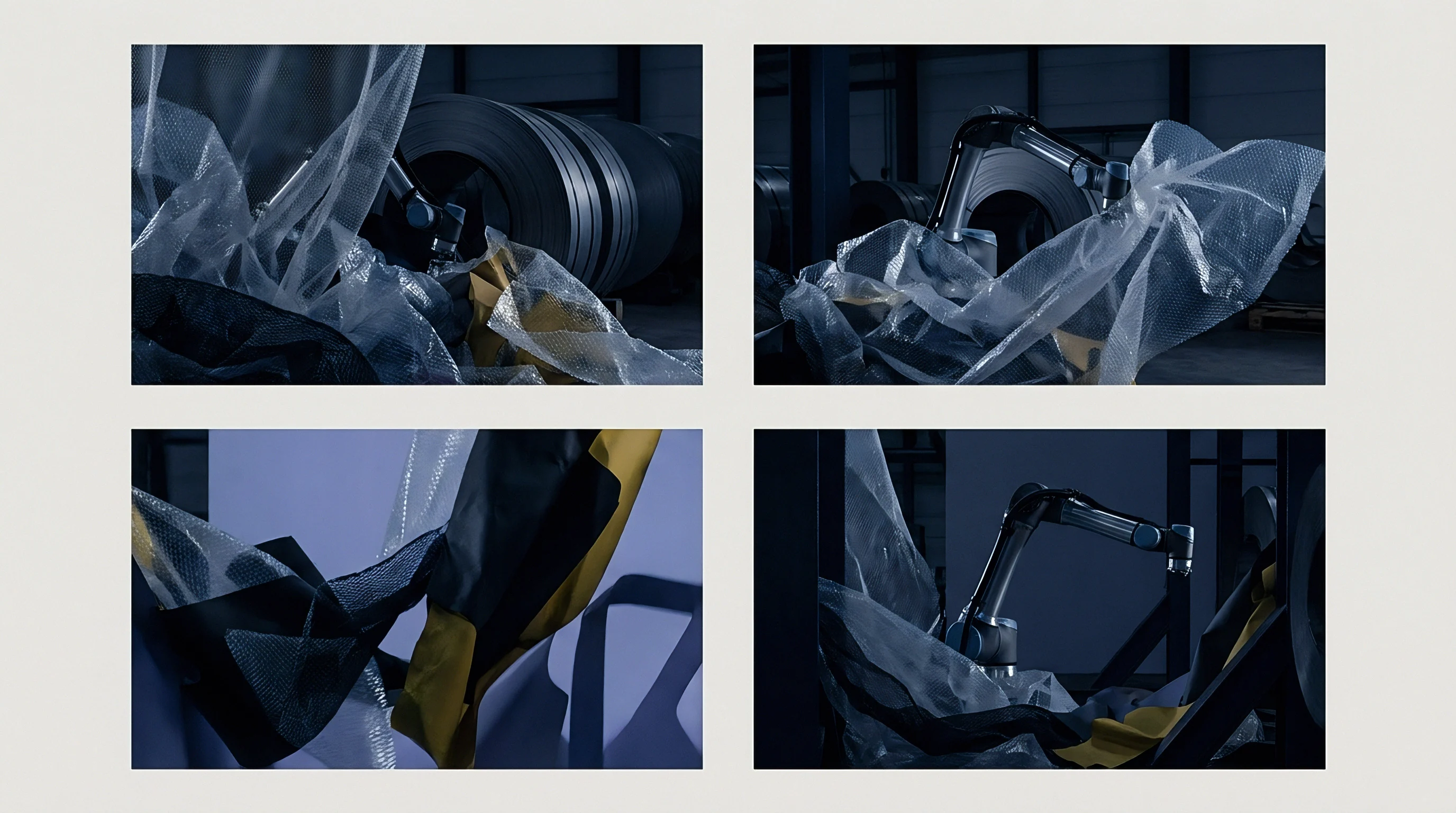
Four separate frames feature an articulating robotic manipulator interacting with protective plastic film near large metal rolls inside an industrial warehouse.

Context

Until this spike, procurement desks generally expected the refined zinc market to hold a modest surplus through the end of the year. Buyers were watching Chinese domestic production to see whether smelter output would outstrip global industrial demand, while base metal desks weighed whether high interest rates and sluggish European manufacturing would keep capping raw material prices.

A high precision digital render shows a modular robotic production cell elevated above an industrial sorting framework in a dark warehouse environment.

Analysis

A tight physical supply squeeze is driving the price rally. London Metal Exchange warehouse stocks have plunged sixty-four percent since the beginning of the year, leaving cash buyers short on available metal. As deliverable inventory thins out, traders bidding aggressively for prompt delivery are pushing higher costs straight down to downstream manufacturers, directly raising galvanized steel prices. Meanwhile, Latin American mine closures and reduced output have left smelters short of zinc concentrate, and recent flooding in China has curbed domestic refined metal production. With supply choked at several points, even small upticks in demand drive immediate price jumps, prompting suppliers to shorten quote validity windows.

Gray metal storage crates sit on a wooden floor in a dimly lit warehouse covered by protective blue fabric tarpaulins for transit protection.

Parameters

  • LME Cash Settlement Price ~ The benchmark metal price closed at $4,107 per tonne on August 27, 2026, its highest mark since June 2022.
  • Warehouse Stock Decline ~ LME registered zinc inventories fell 64% from their previous high, down to roughly 95,000 tonnes.
  • Year-on-Year Production Drop ~ Global mine output is projected to fall 2.1% as Latin American extraction levels decline.
  • Cash Premium Widening ~ The cash metal premium over three-month futures stretched to $132 per tonne, reflecting urgent demand for prompt delivery.
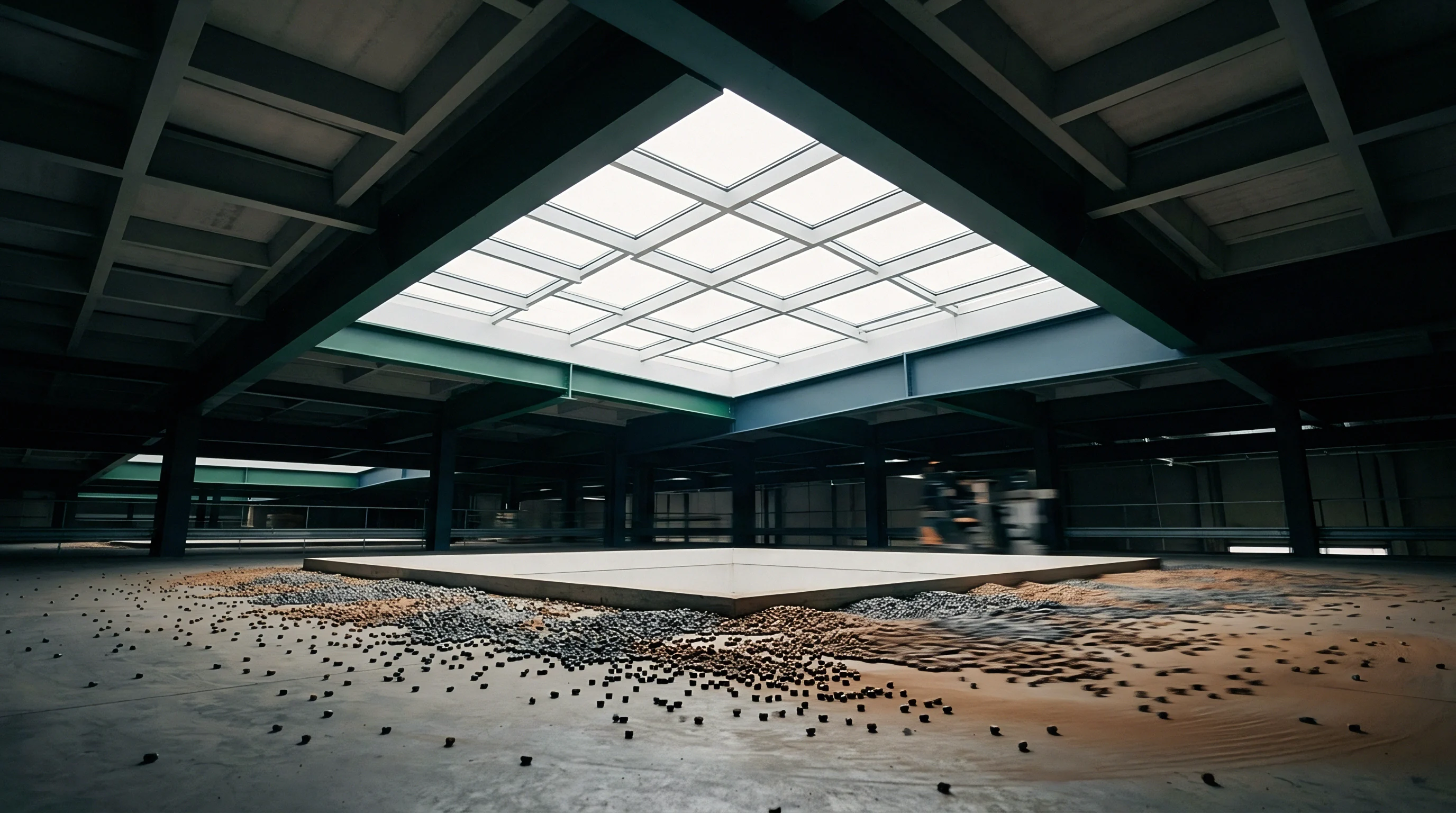
This digital render shows an industrial warehouse interior featuring bulk raw materials scattered around a central concrete platform beneath a massive overhead skylight.

Outlook

Tight supply will likely persist through the second half of the year as Chinese smelter maintenance and overseas mining cuts continue. Procurement teams should monitor the cash-to-three-month zinc premium on the London Metal Exchange; if that spread stays elevated, physical metal remains tight, and galvanized steel prices will probably keep rising into next quarter.

A digitally rendered scene shows a substantial gold bullion bar progressing through an automated industrial scanner.

Verdict

Sourcing managers should lock in zinc and galvanized steel contracts immediately to hedge against escalating costs from shrinking global reserves.

Signal Acquired from: Mining.com

Nomenclature

Zinc Procurement

Material Acquisition ~ Commercial procedures for securing refined zinc metal or zinc concentrates satisfy manufacturing inputs for galvanizing, die-casting, and brass production.

Metallurgy Supply Chain

Industrial Sequence ~ Extractive and chemical processing steps connecting raw ore deposits to finished alloy components form the structural framework for metal production.

Zinc Ore

Extractable Geology ~ Naturally occurring rock formations containing economically extractable zinc minerals, primarily sphalerite, serve as the raw material source for primary zinc production.

Steel Coating

Surface Application ~ Metallurgical deposition processes that apply protective zinc, aluminum, or polymer layers to flat steel substrates prevent oxidation and extend service life.

Commodity Price Surge

Price Velocity ~ Rapid market acceleration defines a sudden upward cost shift across globally traded physical materials and industrial feedstocks, driven by inventory depletion and sudden procurement shocks.

Industrial Metals

Material Definition ~ Commodities extracted from geological deposits through mining and refining serve as the primary inputs for manufacturing, construction, and power generation sectors across global economies.

Raw Materials Hedging

Risk Offset ~ Financial contract execution designed to manage price exposure on unprocessed industrial inputs protects manufacturing margins from commodity market volatility.

Base Metal Supply

Metal Inventory ~ Unprocessed industrial tonnage entering primary manufacturing lines represents a base metal supply governed by daily trading quotations and long-term extraction contracts.

Metal Refining Deficits

Smelter Deficit ~ Metallurgical capacity shortfalls occur when primary processing facilities lack sufficient thermal and chemical reduction capacity to convert incoming ore volumes into pure metal ingots.

Physical Metal Tightness

Structural Integrity ~ Volumetric density measurement provides a consistent calculation for the interstitial space within non-ferrous bulk shipments during maritime transport and warehouse storage.

LME Warehouse Stockpiles

Terminal Reserve ~ Registered physical inventory stored across approved global locations provides the delivery mechanism of last resort for standardized metal contracts.

Smelting Bottlenecks

Processing Constraints ~ Physical capacity limits or operational disruptions at pyrometallurgical refining facilities restrict the conversion of raw mineral concentrate into refined metal.

What the firm knows, published

Expertise is a utility, not a secret. sentiention™ publishes its working knowledge as open reference: intelligence layer covering the materials it sources, the markets it enters, and the reference that serves both.