Polymer Yield
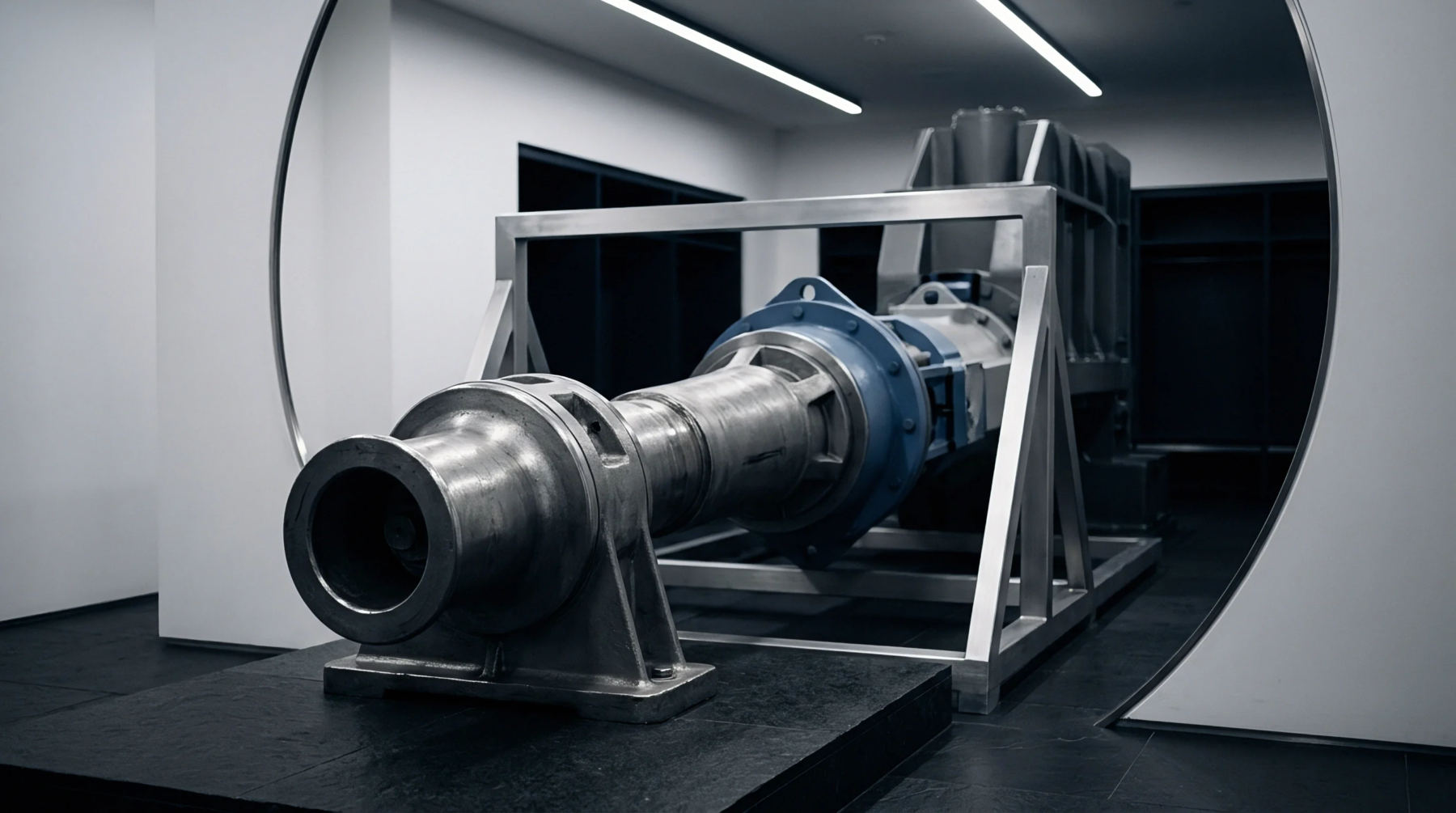
Commercial polymer yield governs the thermal processing limits of industrial plastics before structural degradation occurs under continuous mechanical stress. High volume extrusion relies upon precise temperature control within the barrel assembly to prevent premature cross-linking. Thermal instability halts production runs instantly when melt flow indices exceed specific equipment tolerances.
Heavy duty machinery manufacturers apply these material constraints to design durable molds that withstand repeated clamping forces. Melt viscosity fluctuations disrupt dimensional stability during high speed cooling cycles across automated production lines.
Market Sourcing
Global procurement managers track resin spot pricing fluctuations weekly to hedge against feedstock volatility in petrochemical markets. Supply chain analysts measure virgin polymer availability against recycled resin quotas mandated by regional environmental ministries. Price indexes separate specialty engineering grades from commodity thermoplastics based on additive packages and reinforcing fibers.
Freight forwarders monitor maritime shipping container availability because bulky polymer shipments require specialized dry vans to prevent moisture absorption during transit. Industrial plastics inventories fluctuate seasonally according to automotive manufacturing schedules and residential construction demands. Procurement desks adjust purchasing intervals whenever monomer feedstock shortages threaten downstream output volumes.
Thermal Tolerance
End use applications require certified thermal degradation thresholds before structural components endure continuous operational heat loads. Material science laboratories test injection molded samples under sustained load to record deflection temperatures at specific pressure ratings. Automotive engineers evaluate polymer samples against strict flammability standards enforced by international safety certification boards.
Chemical resistance profiles determine whether molded housings survive prolonged exposure to industrial solvents without swelling. Regulatory compliance auditors review laboratory test certificates to verify that manufactured parts meet prescribed mechanical endurance limits.