STMicroelectronics Price Increase Lifts Procurement Costs for Automotive and Industrial Chips

STMicroelectronics lifts prices on August 23, raising automotive MCU costs by up to 20 percent.

28.08.26 2 min

Briefing

STMicroelectronics rolled out its third price hike of 2026 on August 23, raising unit costs across microcontrollers, power devices, and several other product lines. The move forces buyers and supply chain managers to immediately re-evaluate printed circuit board assembly quotes and open, uncommitted purchase orders. Higher manufacturing expenses and ongoing capacity limits drove the increases, which push some automotive microcontroller prices up by 20 percent.
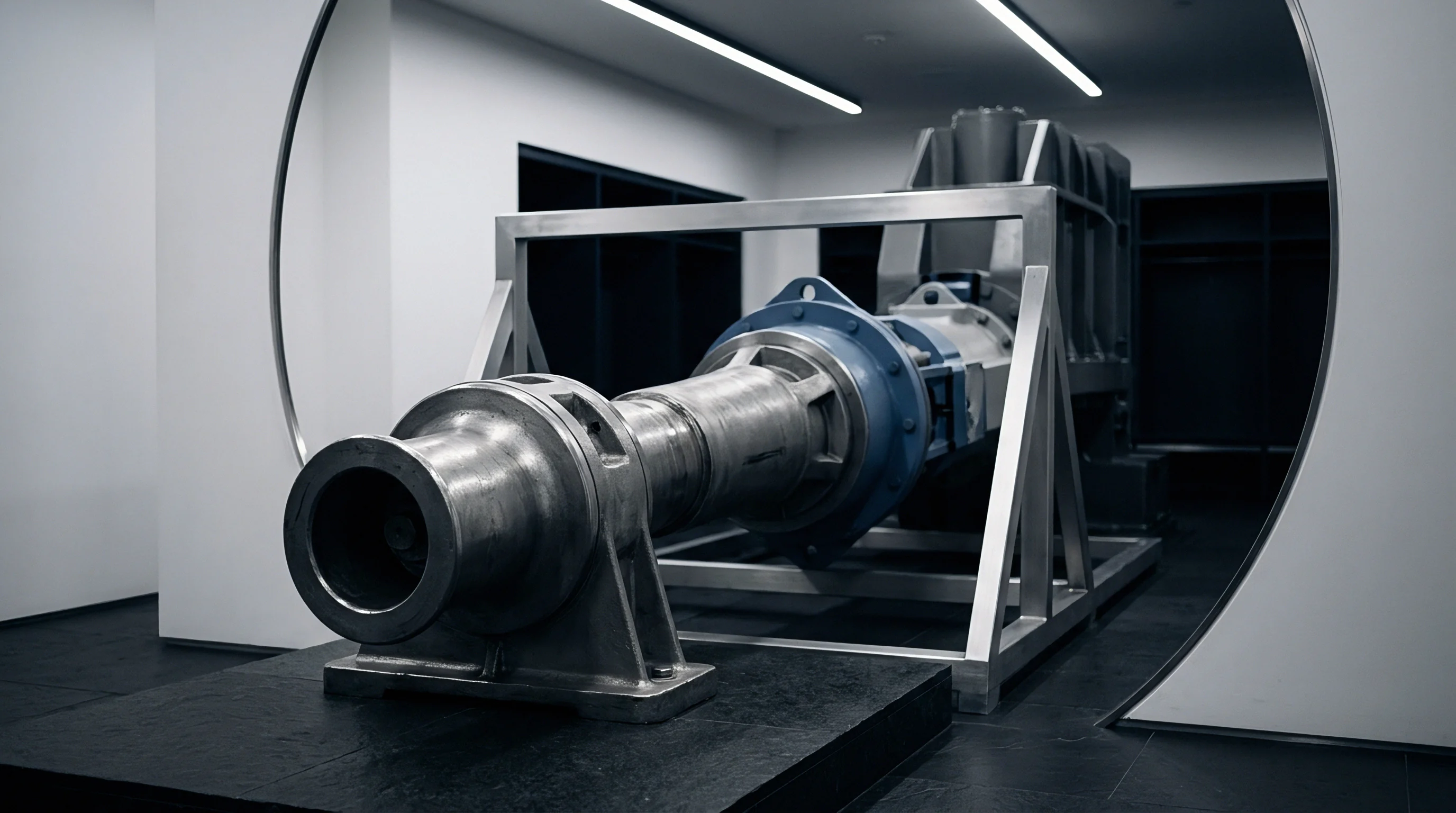
Large metallic shaft with circular blue housing rests on a structured steel frame within a clinical display interior with overhead lighting.

Context

Procurement desks were watching to see if pricing hikes had peaked following rounds in April and June of 2026. Most buyers assumed stabilizing downstream inventories would head off further supplier increases and let lead times normalize. The question was whether chipmakers would absorb rising operational expenses or keep passing them along to downstream bills of materials.

Crushed wood biomass rests beside a metal rack holding sequential glass vials filled with dark amber extraction liquids on a tabletop.

Analysis

Escalating costs in wafer fabrication, packaging, and raw materials reached a point where the manufacturer acted to protect its margins. That adjustment moves quickly from the chipmaker to distributors and contract manufacturers, resetting existing component quotes almost immediately. Once a new production run is released, those higher component prices force a complete recalculation of the printed circuit board assembly bill. The extra cost works its way down the chain, with each step paying more upfront before passing the expense along to the final product. Long lead times on power devices add to the pressure, leaving buyers with tight scheduling alongside higher bills.
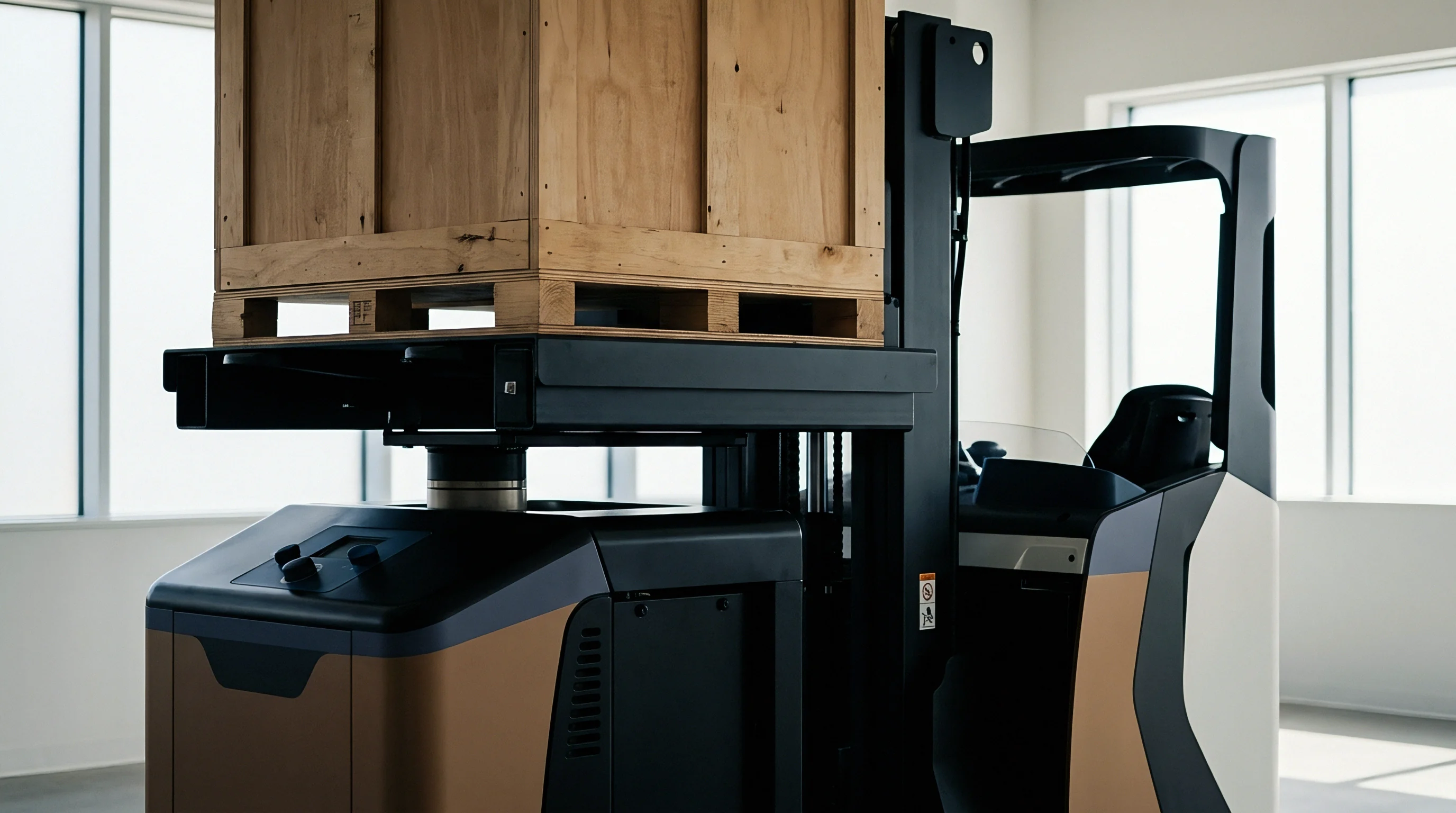
An industrial automated guided vehicle lifts a wooden crate secured on a wooden pallet inside a minimalist warehouse facility.

Parameters

  • Effective Date ~ August 23, 2026, when the new pricing structure took effect for orders and shipments.
  • Automotive MCU Price Increase ~ 15% to 20%, the reported increase across affected automotive microcontroller part numbers.
  • Power Device Lead Times ~ 30 to 52 weeks, the delivery window currently reported for high-demand power semiconductors.
  • Pricing Rounds in 2026 ~ Three rounds, with STMicroelectronics raising rates in April, June, and August.

A wooden shipping pallet lies on a concrete floor centered between two coiled ropes with a lectern and data charts in a dark industrial space.

Outlook

Similar price pressure will likely spread across other silicon suppliers over the coming quarter as year-end contracts are finalized. Attention now shifts to October contract talks among Taiwanese power semiconductor makers, where non-contract prices could jump another 10 percent to 15 percent. Those negotiations will show whether broader component price hikes are slowing down or picking up momentum.

Two technicians operate a coordinate measuring machine to inspect machined metal components within a controlled industrial environment during production quality assurance protocols.

Verdict

Procurement teams need to revalidate all uncommitted board-assembly quotes immediately and secure component pricing before issuing new purchase orders.

Signal Acquired from: TrendForce

Nomenclature

Wafer Fabrication Costs

Production Expenditure ~ Semiconductor manufacturing processes require a substantial capital investment to transform raw silicon disks into functional electronic components through photolithography and chemical deposition.

Distributor Negotiations

Contract Framework ~ Commercial dialogues between industrial buyers and wholesale suppliers establish minimum order quantities, tiered volume rebates and territorial exclusivity boundaries before any goods move through logistics channels.

Electronics Bill of Materials

Structural Inventory ~ Component part listings form the backbone of modern manufacturing schedules by mapping out every physical item required to build a completed hardware assembly.

Power Semiconductors

Voltage Management ~ High-capacity solid-state devices regulate electrical current flow within industrial and automotive circuits to permit efficient energy conversion.

Automotive Microcontrollers

Silicon Architecture ~ Specialized semiconductor devices govern physical network transactions inside vehicle networks through embedded instruction processing.

Semiconductor Pricing

Valuation Metric ~ The monetary value assigned to integrated circuits reflects the balance of manufacturing costs and market availability at a specific time.

Supply Chain Inflation

Cost Accumulation ~ Persistent increases in the price of goods and services throughout the production and distribution network reduce the purchasing power of industrial buyers.

Component Procurement

Acquisition Cost ~ Sourcing individual subassemblies requires balancing volume purchase discounts against carrying expenses incurred during prolonged warehouse storage.

Lead Time Inflation

Duration Expansion ~ Temporal expansion occurs when the interval between an order placement and the final delivery increases due to systemic friction.

Manufacturing Inputs

Resource Requirement ~ Primary resources and components provide the foundational material needed for industrial fabrication and assembly.

What the firm knows, published

Expertise is a utility, not a secret. sentiention™ publishes its working knowledge as open reference: intelligence layer covering the materials it sources, the markets it enters, and the reference that serves both.