New European Duties on Chinese Steel Cylinders Hike Procurement Costs

Definitive European Union duties up to ninety percent on Chinese steel cylinders force buyers to find regional suppliers.

30.08.26 2 min

Briefing

The European Commission has set definitive anti-dumping duties between 57.7 percent and 90.3 percent on Chinese high-pressure seamless steel cylinders. The duties directly hit procurement for cylinders used to store and transport compressed or liquefied gases across industrial and medical applications. With Chinese supply effectively priced out, buyers must adjust cost models or pivot to European manufacturers. China previously supplied roughly 4.5 million units of the 6.4 million-unit European market.
Large metallic shaft with circular blue housing rests on a structured steel frame within a clinical display interior with overhead lighting.

Context

Buyers have watched these trade barriers closely since provisional duties took effect in August 2025. The core question was whether Brussels would confirm the rates or let the temporary measures lapse. For procurement desks, that uncertainty delayed decisions on whether to commit to long-term contracts with Chinese exporters or accelerate supplier qualification for mills in Finland and Germany.
A dark blue corrugated steel shipping container stands behind a black steel mesh pallet cage and a suspended wooden rung rope ladder.

Analysis

The Commission confirmed the duties after concluding that underpriced Chinese imports were causing material injury to European manufacturers across several member states. With customs now collecting border surcharges of up to 90.3 percent on Chinese cylinders, landed costs immediately clear the price of domestic alternatives. Rerouting orders to fabricators in Austria, Finland, and Italy avoids the duty, but the sudden concentration of regional demand will put pressure on European capacity and likely stretch domestic lead times.

A manufacturing specialist examines a heavy steel industrial swivel alongside diverse material samples and a photovoltaic solar panel in a studio setting.

Parameters

  • Duty Range ~ Definitive anti-dumping duties between 57.7 percent and 90.3 percent on imported Chinese cylinders.
  • Affected Import Volume ~ Chinese imports previously accounted for 4.5 million units of the 6.4 million-unit European market.
  • Regulatory Duration ~ Measures will remain in force for five years.
  • Effective Date ~ European Commission Implementing Regulation entered into force on February 4, 2026.
  • Domestic Sourcing Regions ~ Alternative capacity sits in Austria, Finland, France, Germany, Italy, and the Czech Republic.
Galvanized steel structural framing features a rigging shackle and impact damage inside an active industrial warehouse storage facility.

Outlook

Attention turns to whether European producers can scale output fast enough to absorb displaced volumes. Procurement teams should track regional mill lead times and steel price indices for early signs of local supply pinches. Upcoming quarterly trade data will show how rapidly Chinese import volumes taper off in practice.
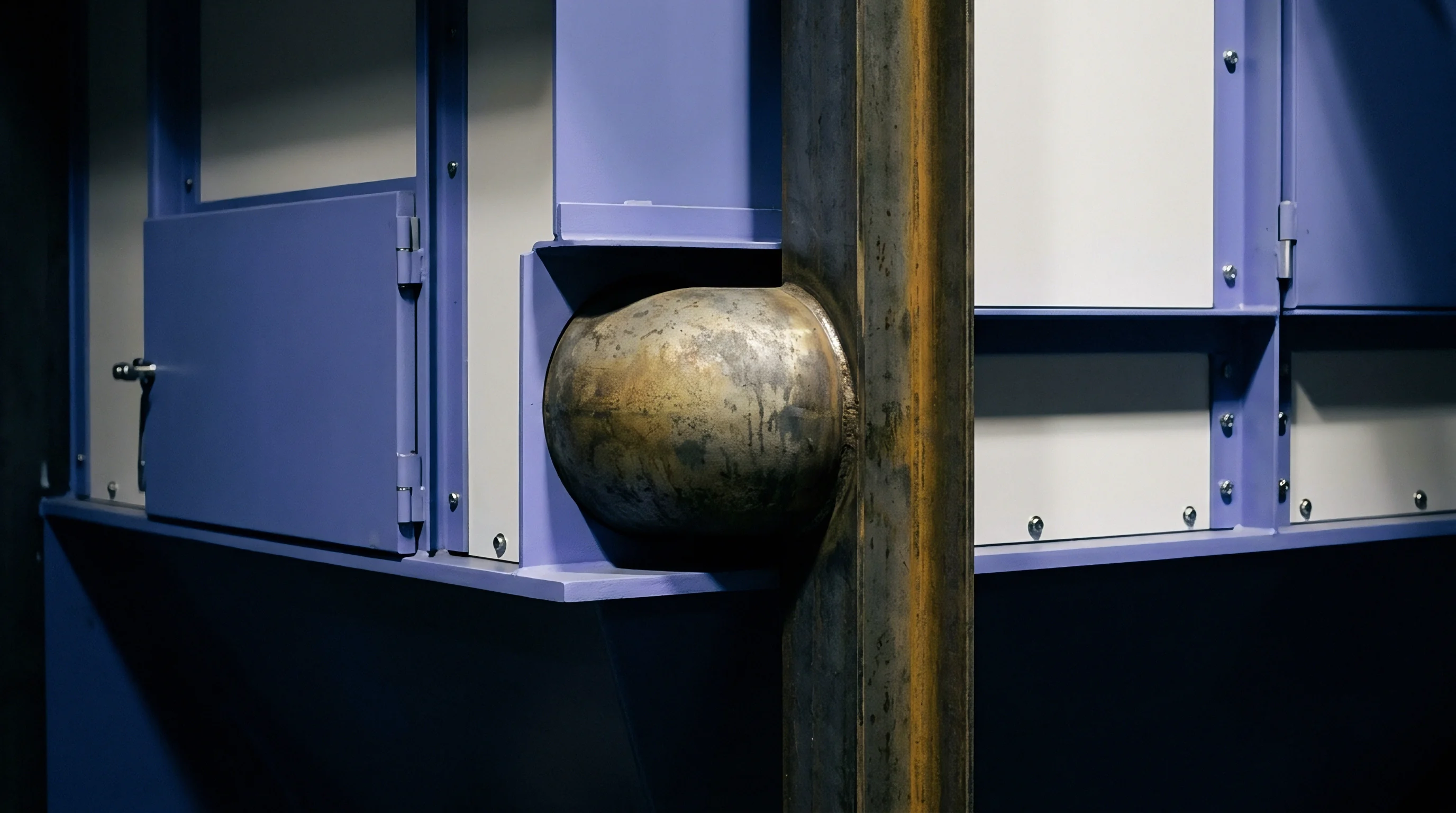
Blue coated steel industrial enclosure panels feature a welded metal duct connection secured beside vertical structural framing inside a production facility.

Verdict

Procurement teams must immediately halt Chinese steel cylinder orders and shift to certified European suppliers to avoid severe margin erosion.

Signal Acquired from: European Commission

Nomenclature

Trade Compliance

Statutory Observance ~ Systematic adherence practice ensures that a business follows all laws and regulations governing the movement of goods across international borders.

Industrial Procurement

Commercial Practice ~ Strategic sourcing, vendor qualification, commercial contracting and direct purchasing supply the capital equipment, raw materials and operational services needed for factory manufacturing.

Metal Fabrication

Structural Transformation ~ Secondary manufacturing operations that cut, shape, weld, and assemble raw metal stock form customized structural components and equipment enclosures for industrial users.

Supplier Diversification

Risk Strategy ~ Procurement strategies designed to reduce supply chain vulnerability distribute purchasing volume across multiple independent vendors instead of relying on a single partner.

Risk Management

Hazard Identification ~ Methodical operational processes identify, evaluate and control financial, operational, regulatory and safety exposures across commercial enterprises.

Steel Products

Material Classification ~ Finished and semi-finished iron-carbon alloy shapes produced through hot rolling, cold rolling, forging, or extrusion constitute the primary structural material input for global infrastructure and manufacturing.

Import Duties

Fiscal Assessment ~ Statutory taxes levied by national governments on foreign merchandise crossing international borders generate state revenue and shield domestic industries from overseas competition.

Anti-Dumping Regulations

Trade Defence ~ Border enforcement mechanisms establish the legal limits that protect domestic manufacturers from unfair foreign price competition.

Raw Material Sourcing

Material Acquisition ~ Raw material sourcing functions as the procurement practice through which manufacturing organizations secure the physical substances and natural inputs required for production schedules.

Gas Storage Cylinders

Vessel Architecture ~ Seamless steel and composite pressure vessels designed for high-pressure fluid containment provide mobile storage solutions across industrial, medical, laboratory, and energy distribution networks.

Manufacturing Supply Chains

Structural Vector ~ Component integration defines manufacturing supply chains across global trade channels.

European Trade Defense

Market Protection ~ Legal mechanisms deployed by the European Commission protect domestic manufacturers against distorted international trading practices and unfair import competition.

What the firm knows, published

Expertise is a utility, not a secret. sentiention™ publishes its working knowledge as open reference: intelligence layer covering the materials it sources, the markets it enters, and the reference that serves both.