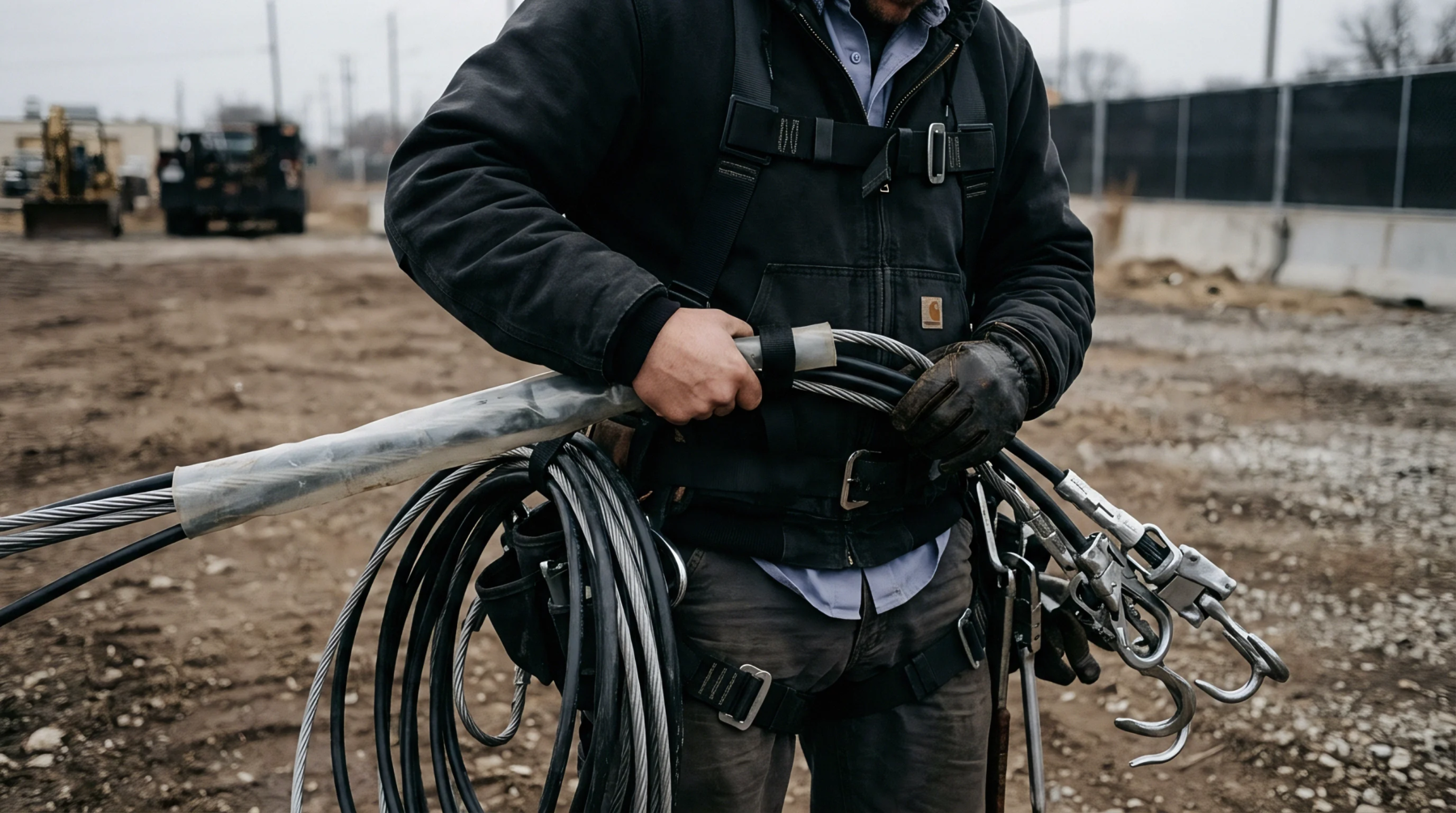
Surging Nonresidential Construction Inputs Force Contract Renegotiations
Rising metal tariffs and diesel costs push construction inputs up nine percent, forcing buyers to re-evaluate project bids.
Rising metal tariffs and diesel costs push construction inputs up nine percent, forcing buyers to re-evaluate project bids.

Importers must secure mill-level origin records to avoid a 50% tariff surcharge starting July 2026.
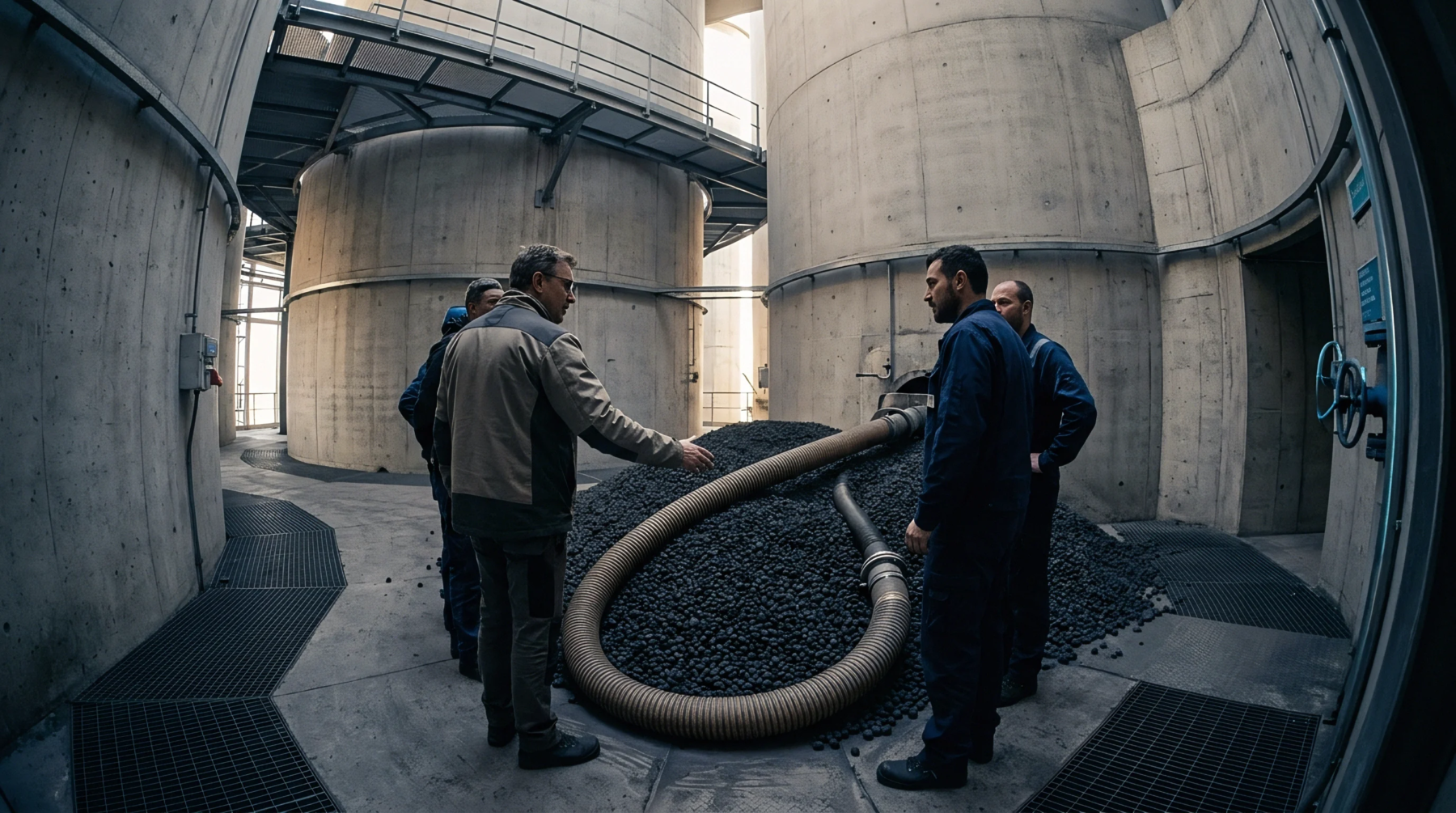
Geopolitical disruptions double flexible plastic costs forcing procurement teams to adjust packaging contract baselines.

With over 220 chemical producers halting spot quotes, buyers must lock in long-term contracts to prevent production halts.
Buyers must re-verify all chemical mixture safety sheets before the November deadline to prevent European border rejections.
Sourcing teams must secure supplier declarations to meet the strict European chemical limits taking effect this October.

Definitive European Union duties up to ninety percent on Chinese steel cylinders force buyers to find regional suppliers.

Importers and chemical buyers gain four additional months to align supply chain labels with updated hazard safety standards.

Industrial buyers face higher compliance costs and urgent material transition timelines as federal PFAS liability stands.

Plastics buyers must secure chemical compliance certificates from suppliers to meet new European environmental reporting rules.

The European Union mandates registration for imported acrylic esters, exposing buyers to retroactive chemical tariff risk.

Food brand procurement teams must audit supply chains to prepare for mandatory filings of unlisted chemical and food ingredients.

UK steel import quotas have fallen by fifty-one percent, forcing fifty percent duties on all volumes that exceed the threshold.

Buyers must audit polymer and cleaning solvent suppliers to declare newly added hazardous chemicals in the European market
Cosmetics buyers must source alternative photoinitiators as Great Britain bans reproductive toxicant TPO in gel formulations.

The transition to full customs value for metal tariffs raises import duties and forces complex supply chain reviews.

Buyers of metal degreasing solvents gain extended timelines for implementing required workplace protection plans.

Sourcing desks must audit Form 5106 filings before September 18 to prevent U.S. Customs from voiding importer identification.
Sourcing teams must audit subsidiary ownership to avoid heavy export penalties when the delayed rule takes effect in November.

Shippers face increased freight charges as shipowners face a choice between Iranian cargo seizure and US sanctions exposure.
Importers of infant sleep furniture must verify ASTM F2194-25 test reports to prevent US border rejections.

Sinking oil risk premiums will bring cost relief to global freight budgets and plastic resins in the coming quarter.

With 43 new Chinese firms blacklisted, buyers must immediately audit aluminum and copper supply chains to avoid border seizures.

Importers must audit upstream metal and drug suppliers as the US expands its forced labor blocklist by forty-three entities.

Boeing engineers rejected a contract, authorizing a strike that threatens certification and delivery schedules.

Industrial buyers must purge long-chain perfluorocarboxylic acids from shipments to Japan before the November import ban.

Tightened RoHS lead exemptions require buyers to secure updated compliance declarations to avoid import delays.

New Chinese decrees make supply chain due diligence required by Western law illegal within China, creating a compliance clash.

New US import rules bar foreign importers without local assets from filing informal entries and raise penalty floors.

Importers must transition to digital safety certificates to prevent customs holds and entry denials at United States ports
Expertise is a utility, not a secret. sentiention™ publishes its working knowledge as open reference: intelligence layer covering the materials it sources, the markets it enters, and the reference that serves both.