EPA Lifts Refrigerant Deadline to Free Legacy HVAC Equipment Stocks

Procurement desks can now buy and install pre-2025 R-410A HVAC inventory indefinitely, protecting existing margins.


28.08.26 2 min

Briefing

The Environmental Protection Agency finalized a regulatory amendment allowing residential and light-commercial HVAC equipment using R-410A refrigerant to be installed until existing inventory runs out. The rule removes the planned January 1, 2026 installation cutoff for split systems manufactured or imported before January 1, 2025. For buyers, this removes compliance exposure tied to project delays and prevents an estimated $500,000,000 in legacy equipment from being stranded across supply chains.

Rusted hydraulic lift arm components on industrial cargo handling machinery stand inside a metal shipping container storage depot.

Context

Procurement teams have been managing the hydrofluorocarbon phase-down mandated by the American Innovation and Manufacturing Act, weighing the cost premium of redesigned equipment built for mildly flammable alternative refrigerants. Until this amendment, standard construction schedules faced cost overruns and contract disputes if project completions slipped past the federal installation cutoff.

An industrial yard holds a secured package with strapping bands containing a framed photograph and metal equipment resting in a dirt mound.

Analysis

Tight supplies of compliant systems alongside an industry backlog in technician training made the original timeline difficult to meet. Dropping the hard installation deadline eases the distribution bottleneck and keeps active jobs moving without redesigning mechanical layouts or re-bidding contracts. For sourcing teams, pre-2025 R-410A units remain a viable, lower-cost option while supplies last, giving contractors more time to train crews on next-generation systems without stalling current projects.

An industrial worker wearing dark blue utility garments holds heavy maintenance equipment in a production facility setting.

Parameters

  • R-410A Global Warming Potential ~ 2,088, the environmental impact rating of the legacy chemical that drove the federal phase-out.
  • Alternative Refrigerant GWP Limit ~ 700, the maximum global warming potential allowed for new equipment.
  • Legacy Manufacturing Cutoff ~ January 1, 2025, the date after which factories were barred from producing split-system HVAC units using R-410A.
  • Amended Rule Effective Date ~ July 27, 2026, the date the revision took effect, officially lifting the installation deadline.

Weathered metal stairs, part of mobile aircraft ground support equipment, stand on an airport tarmac, secured by a black wheel chock.

Outlook

Sourcing teams still need to monitor state and local code filings, since local jurisdictions can enforce stricter deadlines than the federal rule. New York is maintaining its earlier cutoff, and other states may follow suit. Tracking these regional variations will determine where remaining lower-cost inventory can legally be deployed.
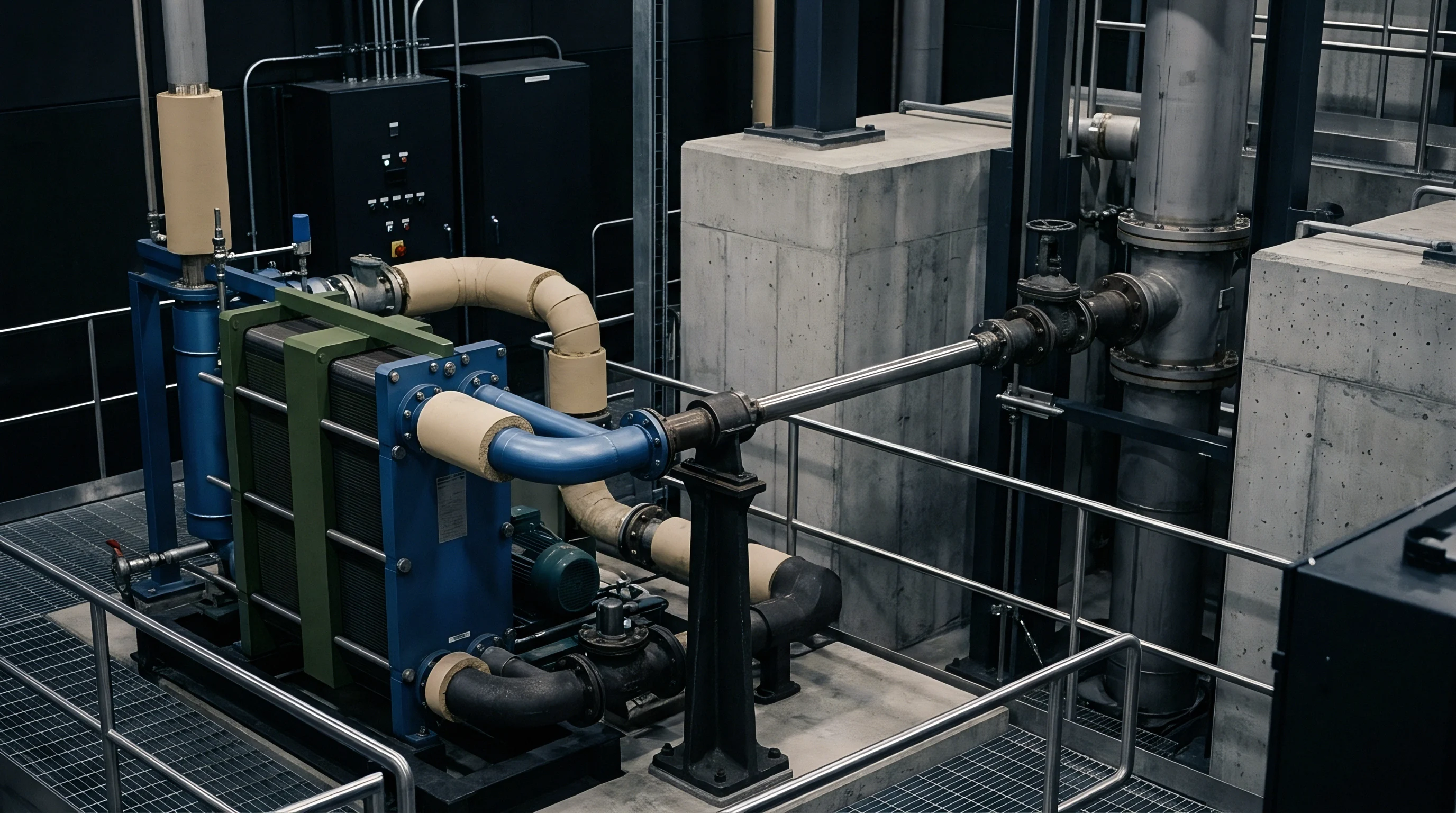
Industrial production equipment featuring bolted heat exchangers and insulated piping sits on metal grating inside a manufacturing facility.

Verdict

Sourcing managers should run a regional code audit to identify where pre-2025 R-410A systems can still be installed to capture immediate equipment cost savings.

Nomenclature

Refrigerant Transition

Chemical Phaseout ~ International environmental treaties and national regulatory schedules drive the mandatory phase-down of high global warming potential hydrofluorocarbons in commercial refrigeration and air conditioning systems.

Construction Risk Mitigation

Safety Management ~ Systematic procedures used to identify and reduce the probability of financial or physical loss during building projects protect the interests of developers and contractors.

Commercial Construction Procurement

Strategic Acquisition ~ Acquisition management defines the formal sequence through which firms secure labour, materials and equipment for large-scale building works while ensuring compliance with technical specifications and budget ceilings.

Building Procurement

Contractual Pathway ~ Strategic acquisition frameworks define the legal and operational methods used to obtain new physical structures from the construction industry.

Supply Chain Flexibility

Operational Agility ~ Adaptive capabilities within a production and distribution network allow a company to respond quickly to changes in demand or disruptions in the flow of goods.

Mechanical Equipment Sourcing

Acquisition Process ~ Strategic procurement activities focused on the identification and selection of industrial machinery support the operational needs of factories and power plants.

Environmental Compliance

Regulatory Conformity ~ Formal operational adherence to statutory ecological laws, emission ceilings, effluent standards, and hazardous material management protocols defines corporate legal standing.

Emissions Standards

Regulatory Threshold ~ Legal frameworks mandate specific maximum levels of particulate matter and chemical pollutants allowed in exhaust plumes discharged by internal combustion engines.

Split System Installations

Equipment Configuration ~ Air conditioning setups that divide the cooling process between an indoor unit and an outdoor compressor serve as the primary temperature control method for small commercial and residential spaces.

Hvac Systems

Thermal Control ~ Integrated mechanical assemblies regulate indoor air temperature, humidity, and purity within industrial or commercial structures to maintain stable environments for production processes and occupants.

Equipment Inventory Lifecycle

Asset Timeline ~ Tracked through every operational phase from initial procurement to final disposal, the equipment inventory lifecycle governs total cost accounting across heavy industrial fleets.

Building Material Standards

Technical Requirement ~ Compliance protocols define the performance thresholds and chemical composition limits that raw materials must meet to gain certification for use in commercial structural engineering.

What the firm knows, published

Expertise is a utility, not a secret. sentiention™ publishes its working knowledge as open reference: intelligence layer covering the materials it sources, the markets it enters, and the reference that serves both.