EPA Chemical Phaseout Forces Materials Redesign before October Deadline

Buyers must secure certified polymer and textile supply chains before the October 31 ban on PIP 3-1 takes effect.


27.08.26 2 min

Briefing

A United States Environmental Protection Agency regulation banning the commercial distribution of articles containing phenol, isopropylated phosphate (3:1) ~ commonly known as PIP (3:1) ~ takes effect October 31, 2026. The chemical acts as an additive flame retardant, plasticizer, and anti-wear agent in synthetic rubber, polyvinyl chloride, industrial coatings, and synthetic leather fabrics. Because civil penalties can reach 50000 dollars per day for exceeding the 0.1 percent by weight concentration limit, procurement teams must secure alternative materials and collect supplier compliance certificates before non-compliant inventory becomes illegal to sell.

Rusted steel crane hook hangs before a heavy industrial assembly station with welded metal components and structural sheet fragments inside a manufacturing facility.

Context

Industrial procurement desks long treated chemical restrictions as a problem confined to raw liquid feedstocks and polymer compounding. Manufacturers generally assumed imported finished components and legacy textiles would avoid active domestic enforcement. Most monitoring centered on PFAS and base heavy metals, leaving secondary additives in complex assemblies unexamined.

A cast metal valve body and matching hardware components rest on a workshop floor before large blue shipping containers.

Analysis

Moving PIP (3:1) from a processing restriction to a total downstream distribution ban stops the commercial movement of any article containing it. The compound adds flexibility to polyvinyl chloride plastics and flame resistance to synthetic leather shoes, protective gear, and industrial equipment coatings. Since the rule applies to finished goods, neither imported products nor domestic stock containing the chemical can be delivered after the October deadline.

Suppliers must transition to non-halogenated phosphate esters or bio-based plasticizers during polymer extrusion, introducing extra testing steps, design revisions, and longer lead times for replacement parts.

Vertical metal and glass sample panels stand beside chemical beakers and precision measuring instruments on a dark production laboratory surface.

Parameters

  • Compliance Deadline ~ October 31, 2026, when distributing articles containing the restricted chemical becomes illegal in U.S. commerce.
  • Concentration Threshold ~ 0.1 percent by weight, the maximum allowed limit for any unintentionally added substance.
  • Daily Liability Penalty ~ 50000 dollars, the maximum civil penalty per day of regulatory violation under the modernized Toxic Substances Control Act.
  • Exemption Duration for Automotive Parts ~ 15 years, the period allowed for using the substance in parts for new motor vehicles.
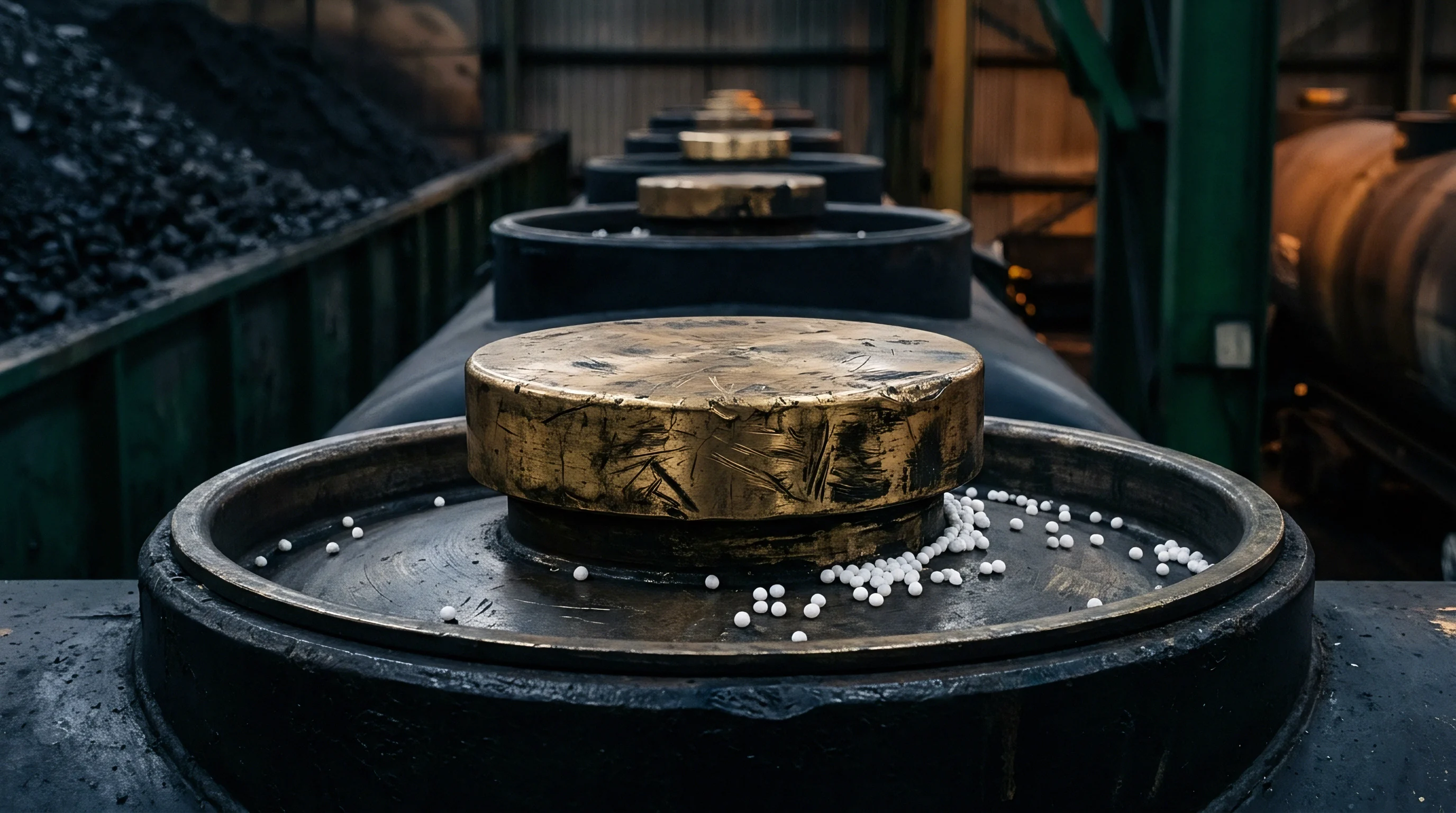
White polymer pellets scatter on the metallic hatches of bulk cargo tank cars parked inside an industrial distribution terminal.

Outlook

Over the coming weeks, buyers ought to audit synthetic rubber, fabric, and plasticizer suppliers to obtain signed compliance certificates and composition declarations. Procurement teams must also monitor expiring temporary carve-outs and shifting test standards as manufacturers retool. Over the next quarter, price shifts are likely in synthetic leather and industrial coatings while suppliers absorb the transition costs of alternative plasticizers.

Automated sorting mechanisms operate over a conveyor belt carrying small white and blue polymer pellets through a controlled industrial factory environment.

Verdict

Industrial buyers must demand compliance declarations for all plastic and synthetic leather materials to avoid distribution disruptions ahead of the October phaseout.

Signal Acquired from: Holland & Knight

Nomenclature

Synthetic Polymer Alternatives

Material Composition ~ Bio-based macromolecules derived from polysaccharide or protein sources function as functional replacements for traditional petroleum-derived chains in industrial packaging and durable manufacturing applications.

Material Regulation Compliance

Regulatory Mandate ~ Material regulation compliance identifies the specific chemical threshold constraints and statutory reporting obligations that govern the movement of industrial substances across international borders.

Toxic Substance Control

Registry Mandate ~ Statutory regulatory regimes oversee the manufacturing, importation, commercial processing and environmental distribution of hazardous chemical substances.

Flame Retardant Sourcing

Material Procurement ~ Chemical acquisition logic defines the procedural validation of substance safety standards during industrial supply chain intake to ensure compliance with specific fire prevention mandates for manufactured goods.

Industrial Coatings Distribution

Stocking Network ~ Specialized supply networks store, blend and transport liquid and powder protective surface formulations to manufacturing and construction end users.

Supplier Risk Assessment

Operational Governance ~ Analytical observation of external production partners determines the potential for financial or delivery disruptions when businesses source components from independent entities.

Manufacturing Supply Chain

Material Inflow ~ Interconnected networks of suppliers, manufacturing facilities, warehouses and transport operators transform raw commodities into finished industrial goods.

Textile Product Development

Technical Lifecycle ~ Commercial textile product development represents the formal integration of material science and production logistics required to transform conceptual fibre assemblies into finished goods ready for retail distribution.

Plasticizer Replacement

Additive Performance ~ Chemical substances manufactured to provide polymer flexibility act as the primary functional alternative when legacy phthalates fail to meet specific health or environmental compliance mandates.

Chemical Compliance Verification

Assay Validation ~ Analytical testing and documentation audits confirm that chemical substances meet statutory safety and environmental thresholds.

What the firm knows, published

Expertise is a utility, not a secret. sentiention™ publishes its working knowledge as open reference: intelligence layer covering the materials it sources, the markets it enters, and the reference that serves both.