Magnesium Price Drop Lowers Aluminum Alloy and Die Casting Costs

Falling magnesium benchmarks lower material costs for buyers using aluminum alloys or specialized automotive components.


30.08.26 2 min

Briefing

Magnesium spot prices have dropped to a multi-year low following sustained oversupply and falling energy input costs in China. This lowers acquisition costs for secondary aluminum alloys and die-casting grades across automotive and consumer electronics supply chains. Buyers can expect immediate price pass-throughs on high-grade 3000, 5000, and 6000-series aluminum alloys where magnesium serves as the primary hardening agent. Shaanxi province shows ample availability and competitive bidding for long-term contract allocations, with export offers sitting at 19,500 yuan per metric ton.

Metallic printed component rests on a motorized platform inside a production laboratory adjacent to a heavy vault door surrounded by hexagonal honeycomb lattice structures.

Context

Procurement desks previously tracked magnesium as a primary price risk due to the high energy requirements of production. Prior supply shocks forced buyers to accept steep alloy surcharges on aluminum mill orders to secure reliable volume. Buyers have since been watching for inventory levels to stabilize as a sign of a new floor for aluminum-magnesium alloy quotes.

A digital render shows a suspended freight package positioned between angled steel impact arms inside a dark industrial testing facility.

Analysis

Lower production costs for ferrosilicon are driving the magnesium market down. Ferrosilicon serves as the reducing agent in the Pidgeon process used to extract magnesium from dolomite. As ferrosilicon prices decline, smelters are dropping their offers to protect market share against heavy domestic stocks. That saving flows directly into lower metallurgical costs for aluminum alloy production. Cheaper magnesium reduces input costs for furnace operators, which reaches buyers through lower spot surcharges or room to negotiate on mill-finish items. Physical supply ties keep magnesium prices and aluminum alloying costs closely linked.

Leather protective gloves and a polished aluminum fitting rest beside a black bucket on a wooden bench inside a facility locker room.

Parameters

  • Spot Offer Level ~ 19,500 yuan per metric ton for 99.9 percent purity magnesium in the Chinese export market.
  • Input Variance ~ Ferrosilicon input values down ten percent in the recent quarter.
  • Production Center ~ Shaanxi province accounts for approximately sixty percent of global output.
  • Alloy Content ~ Magnesium typically makes up five percent of the mass in structural aluminum sheet.
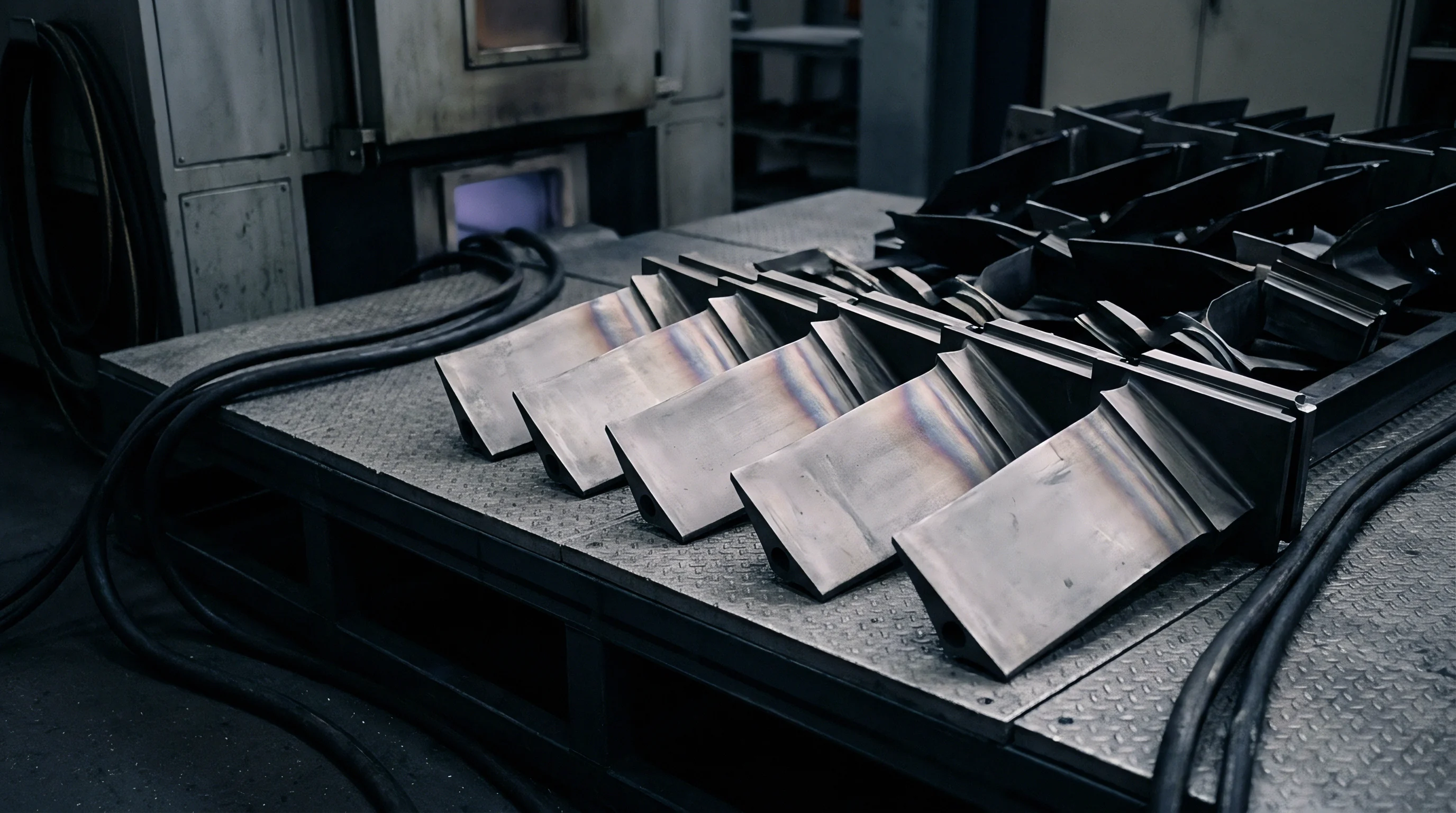
Machined alloy turbine blades rest on a steel workbench inside a heavy industrial machinery production plant.

Outlook

Smelters in northern China continue running at high utilization rates to meet employment targets despite thin margins. Monthly ferrosilicon index levels will indicate when the magnesium price floor settles. Meanwhile, stable coal prices point to smelting costs remaining low through the coming order season.
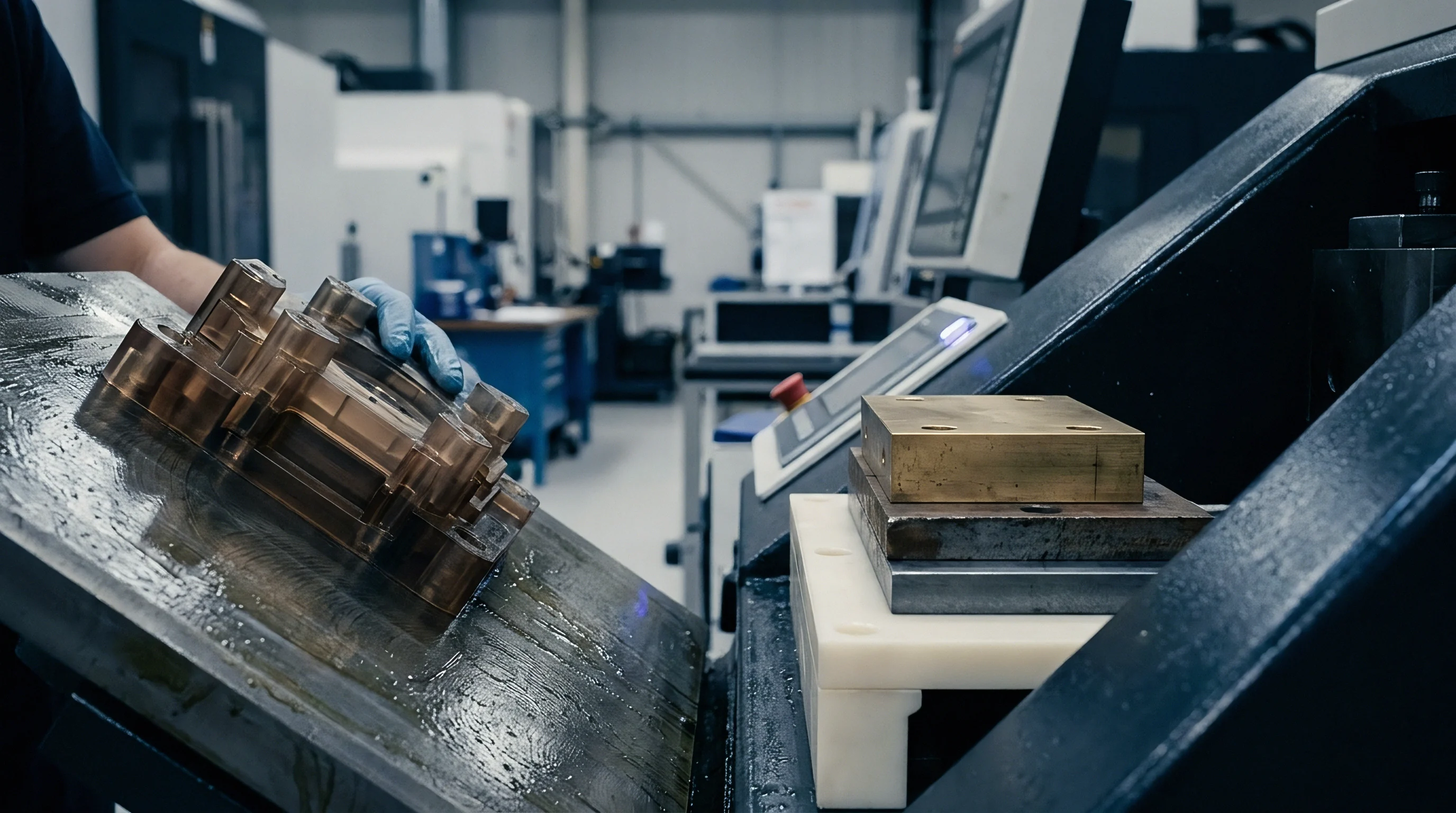
An industrial worker wearing protective gloves positions a precision machined metal component beside a computerized milling workstation inside a manufacturing facility.

Verdict

Request updated alloy surcharges on all 5000 and 6000 series aluminum quotes to capture the recent magnesium price decline.

Signal Acquired from: Shanghai Metals Market

Nomenclature

Smelting Costs

Expense Structure ~ Financial outlays required to extract base metals from their ores constitute the primary economic barrier to entry for metal production facilities.

Aluminum Alloy Feedstock

Metallic Preparation ~ Solid inputs of refined metallurgical mixtures provide the elemental requirements for casting and rolling operations across industrial metal fabrication.

Metallurgical Sourcing

Raw Material Procurement ~ Strategic acquisition of ores and refined metals for industrial processing defines the foundational stage of the metals supply chain.

Die Casting Materials

Alloy Composition ~ Non-ferrous alloys with low melting points and high fluidity provide the feedstock for high pressure molding processes used to create complex industrial shapes.

Industrial Metals

Material Definition ~ Commodities extracted from geological deposits through mining and refining serve as the primary inputs for manufacturing, construction, and power generation sectors across global economies.

Procurement Analytics

Spend Examination ~ Quantitative evaluation methods applied to historical and real time spending data enable the identification of efficiency gains within a supply chain.

Light Metal Inventories

Stockpile Quantification ~ Physical holdings of non-ferrous commodities including aluminium and magnesium account for light metal inventories.

Magnesium Benchmarks

Market Valuation ~ Price assessments published by reporting agencies provide the basis for valuation and contract settlement in the global light metal trade.

Industrial Commodities

Production Inputs ~ Raw materials processed at scale into intermediate goods form the material foundation of global manufacturing and heavy construction cycles.

Alloy Surcharges

Pricing Mechanism ~ Adjustable price components added to the base cost of steel products offset fluctuations in the market price of alloying elements like nickel, molybdenum, and chromium.

Material Inputs

Production Resource ~ Raw substances and components measured for their quality and volume before entering a production line constitute this category.

Shaanxi Production

Regional Output ~ Industrial output originating from northwest China constitutes a major portion of the global supply for specific light metals and coal based commodities.

What the firm knows, published

Expertise is a utility, not a secret. sentiention™ publishes its working knowledge as open reference: intelligence layer covering the materials it sources, the markets it enters, and the reference that serves both.