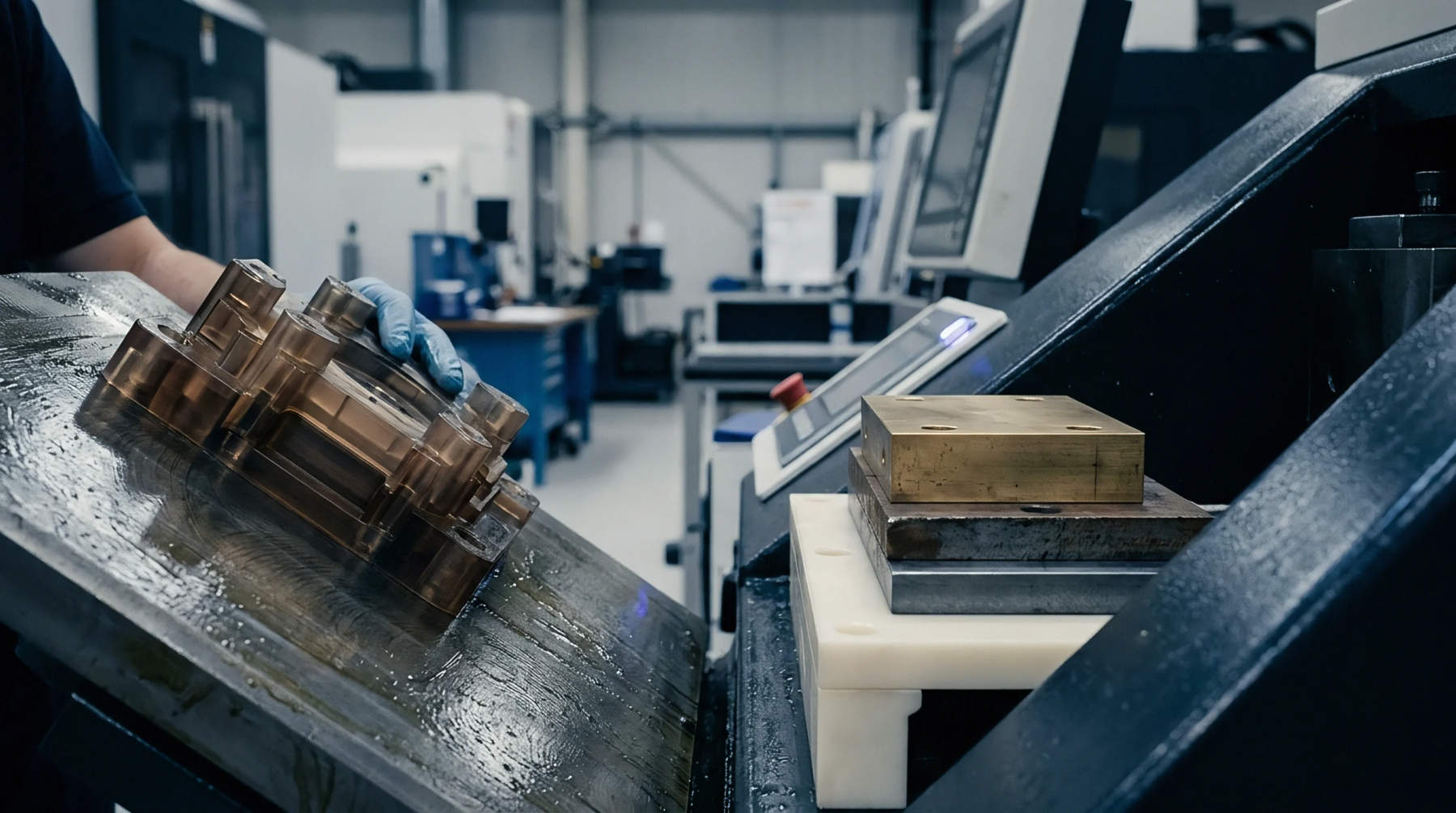
Raw Material Procurement
Strategic acquisition of ores and refined metals for industrial processing defines the foundational stage of the metals supply chain. Effective metallurgical sourcing involves evaluating the chemical composition and impurity levels of raw inputs from various mines. These specifications determine the efficiency of the smelting process and the quality of the final alloy.
Quality Control
Verification of the origin of materials ensures that the supply chain meets both technical and ethical standards. Rigorous metallurgical sourcing protocols require batch testing for moisture content and mineral grade before a purchase is finalized. Contracts often include penalties if the delivered ore fails to meet the agreed-upon concentration of target elements.
Geopolitical stability in mining regions influences the long-term availability of specific alloying agents. Diversification of suppliers reduces the risk of production halts if a primary source experiences a labor strike or logistical failure. Inventory management must weigh the high cost of holding bulk materials against the risk of spot market price spikes.
Advanced logistics planning is necessary to move large volumes of heavy material from remote extraction sites to global refineries.
Environmental Compliance
Compliance with environmental regulations limits the selection of sources to those with sustainable tailing management. Smelters increasingly favor suppliers who can provide documentation regarding the carbon footprint of their extraction methods.