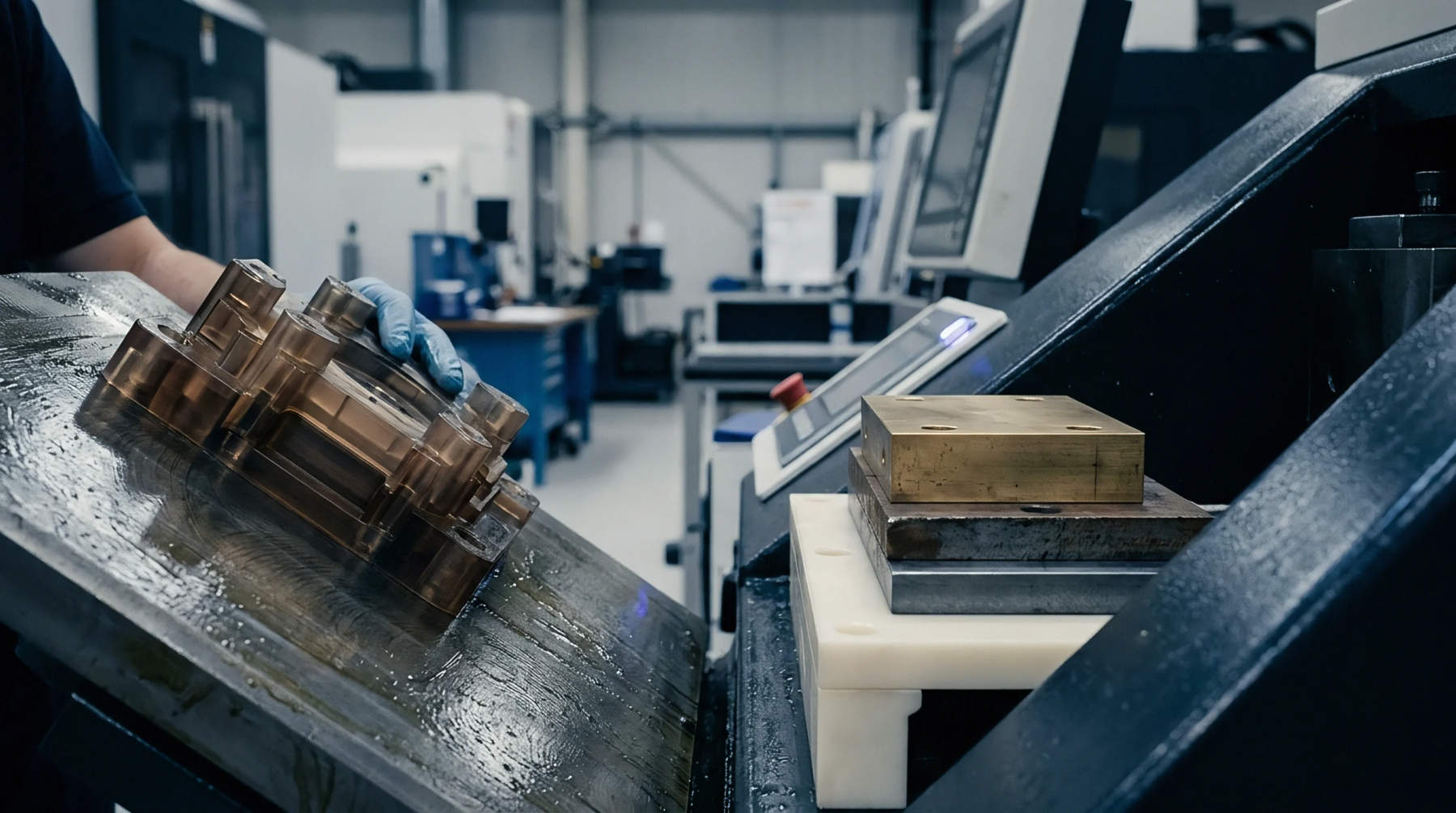
Metallic Preparation
Solid inputs of refined metallurgical mixtures provide the elemental requirements for casting and rolling operations across industrial metal fabrication. Such aluminum alloy feedstock dictates the final performance profile of structural components by defining the chemical ratios of silicon, magnesium, or copper present within the solidified mass. Manufacturers source these materials in ingots, billets, or granulated forms depending on the specific melting furnace requirements.
Each delivery batch undergoes spectrometric analysis to ensure compliance with strict purity standards before entering the production flow. Variations in the primary chemical composition force adjustments in cooling rates or furnace temperatures during secondary processing stages to avoid crystalline defects. Precise control over these initial inputs minimizes the risk of structural failure in final aerospace or automotive parts.
Market Dynamics
Global demand for aluminum alloy feedstock tracks the cyclical output of primary aluminum smelters and the efficiency of secondary scrap recovery channels. Traders monitor the price delta between pure metal and specific alloy variants to predict shifts in manufacturing profitability. Supply constraints often emerge when secondary smelting facilities lack sufficient high-grade industrial scrap, which pushes manufacturers toward expensive primary additives to correct the melt chemistry.
Industrial buyers secure long term contracts to mitigate the volatility inherent in these commodity price swings. Periodic stock adjustments reflect the broader health of regional manufacturing zones where automotive production remains the dominant consumer. High logistics costs for moving heavy metal volumes mean that production sites often cluster near major refining hubs to reduce freight overhead.
Global supply chains remain sensitive to changes in export tariffs that alter the regional availability of specialized alloy compositions.
Technical Specification
Compositional limits for aluminum alloy feedstock align with international metallurgical standards that define the maximum allowable trace element thresholds for industrial consistency. Testing labs verify the grain structure through microscopy to confirm that the material will respond uniformly to heat treatment processes later. Deficiencies in the homogenization phase lead to internal stresses that fracture parts under mechanical load.
Correct material selection prevents costly batch rejection and protects the integrity of industrial supply chains.