China Silicon Metal Glut Lowers Aluminum and Chemical Sourcing Costs

Oversupply in China drops silicon prices to three-year lows reducing input costs for aluminum alloy and silicone producers.


29.08.26 2 min

Briefing

An inventory surge across Chinese warehouses has pulled silicon metal spot prices down to levels last seen in 2021. The drop provides immediate margin relief for downstream buyers in the aluminum alloy and silicone sectors. Lower quotes for silicon inputs should follow as the market absorbs excess output from smelters in northwestern China, where global stock levels sit more than thirty percent above historical averages.

A high precision digital render shows a modular robotic production cell elevated above an industrial sorting framework in a dark warehouse environment.

Context

Buyers had been watching for supply disruptions from power rationing in Yunnan, expecting elevated electricity costs to force smelter shutdowns and keep prices firm through this production cycle.
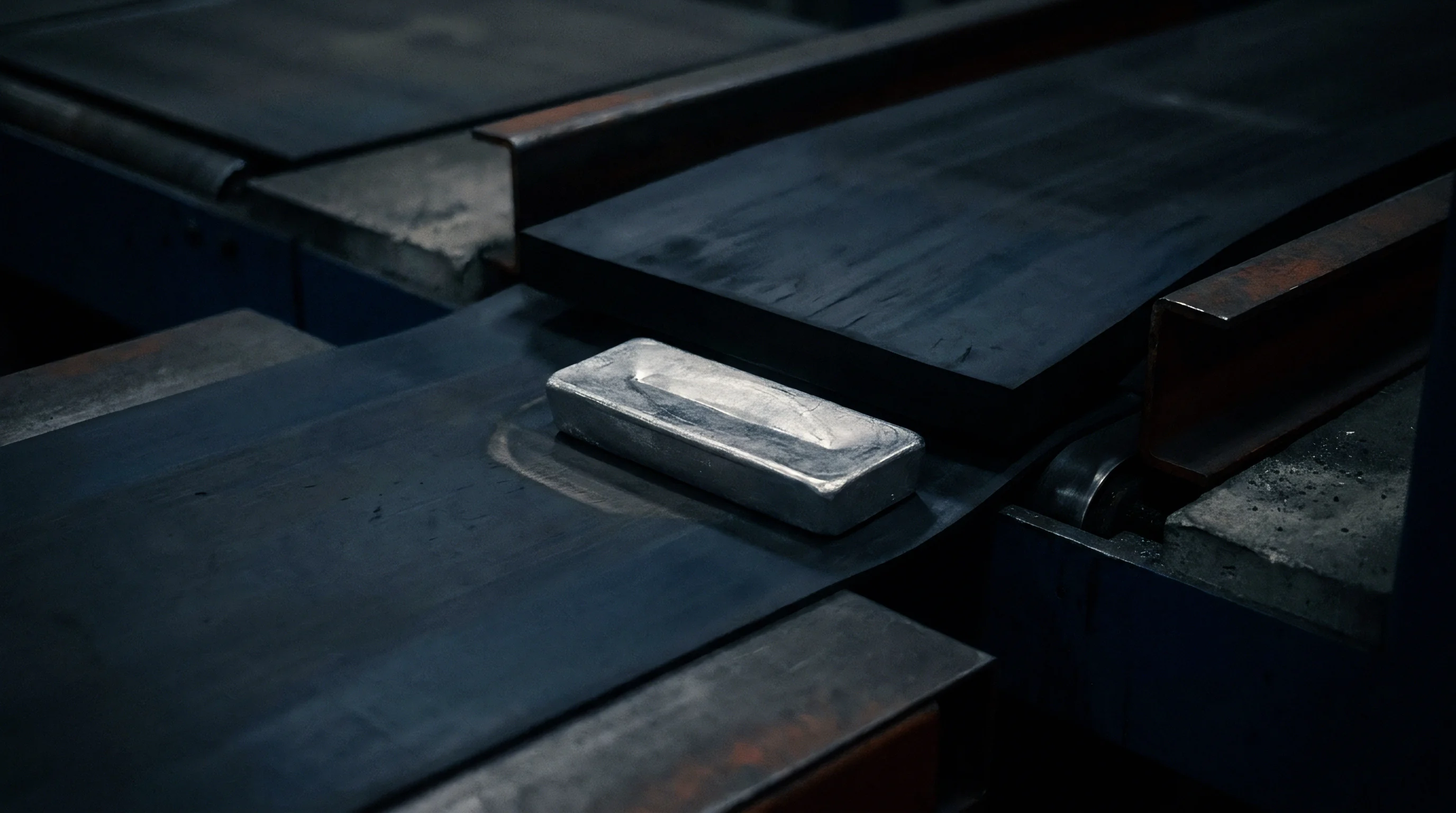
A rectangular metal ingot sits on a dark moving conveyor belt within a heavy manufacturing facility.

Analysis

Instead, production hubs in Xinjiang maintained high output even as demand from solar and aluminum buyers slowed. That imbalance pushed metal straight into primary warehouses and dragged down spot prices. Smelters kept utilization high to protect low unit costs despite weak regional buying. As chemical and alloy producers adjust their price sheets for cheaper raw inputs, savings are moving down the chain, backed by low energy rates in key producing regions where upstream supply continues to outstrip downstream demand.

Rectangular material swatches in various shades rest on a flat surface next to a solid block in a logistics office setting.

Parameters

  • Silicon Metal Spot Price ~ At 12,000 RMB per metric ton, the commodity sits at a multi-year low.
  • Inventory Levels ~ Total warehouse stocks rose by 40,000 tons over the latest quarterly reporting period.
  • Regional Output Share ~ Northwestern China accounts for sixty percent of the current global surplus.
  • Cost Reduction ~ Secondary aluminum alloy prices dropped four percent alongside the fall in silicon.

A miniature industrial crane holding glass vials and a crucible stands beneath a heavy testing press inside a clean laboratory environment.

Outlook

Heavy inventories mean prices are likely to stay depressed through next quarter. Buyers should monitor the end of the Sichuan hydro-power season in October, when falling water levels typically push up electricity costs and force regional smelters to trim output, placing a floor under prices.

Metallic framing encloses a biometric impression alongside dark industrial particulates and copper filaments on a dark surface.

Verdict

Lock in savings on silicon-heavy contracts now, before seasonal power costs alter Chinese production levels.

Signal Acquired from: Shanghai Metals Market

Nomenclature

Smelter Output

Production Volume ~ Metallurgical mass balance accounts for the total weight of refined product yielded from a furnace over a fixed operating cycle.

Supply Chain Buffers

Resilience Reserve ~ Protective mechanisms and surplus resources mitigate the impact of unforeseen disruptions in the flow of goods and services.

Bulk Materials

Physical Classification ~ Dry or liquid commodities transported in large, unpackaged quantities constitute a fundamental category of industrial cargo.

Secondary Smelter Inputs

Recycled Feedstock ~ Recovered metallic scraps and pre-processed industrial residues undergo transformation into secondary smelter inputs to serve as the primary source material for metal production.

Chemical Precursors

Molecular Synthesis ~ Chemical precursors function as the requisite atomic building blocks that undergo transformation within industrial reactors to yield a final commercial compound.

Metallurgy

Thermal Processing ~ Solid state extraction is the industrial science of separating useful metals from raw ores through controlled high temperature reduction and chemical separation.

Aluminum Alloy Feedstock

Metallic Preparation ~ Solid inputs of refined metallurgical mixtures provide the elemental requirements for casting and rolling operations across industrial metal fabrication.

Energy-Intensive Industry

Operational Cost ~ Manufacturing sectors that require disproportionately large volumes of electricity or thermal energy to convert raw materials into finished products form the foundation of primary material production.

Base Metals Trading

Transaction Framework ~ Financial exchange of industrial non-ferrous elements governs the physical procurement and hedging activities of global manufacturing firms.

Raw Material Procurement

Upstream Sourcing ~ Strategic sourcing operations identify, contract, and secure the primary commodities and unprocessed inputs necessary for industrial manufacturing operations.

Industrial Commodities

Production Inputs ~ Raw materials processed at scale into intermediate goods form the material foundation of global manufacturing and heavy construction cycles.

Spot Market Pricing

Transaction Valuation ~ Immediate cash offers for industrial commodities facilitate the exchange of goods for prompt delivery.

What the firm knows, published

Expertise is a utility, not a secret. sentiention™ publishes its working knowledge as open reference: intelligence layer covering the materials it sources, the markets it enters, and the reference that serves both.