China Export Controls on Antimony Raise Global Supply Sourcing Risks

China limits antimony exports starting September 15 forcing immediate risk assessments for battery and electronics buyers.


28.08.26 2 min

Briefing

China’s Ministry of Commerce announced new export restrictions on antimony and related products effective September 15. The policy shifts exports into a strict licensing regime, requiring vendors to document end-use compliance on national security grounds. Buyers face administrative delays and tighter spot availability for materials critical to flame retardants and precision optics. China produces 48 percent of global mined output.

Industrial steel storage racks and a conveyor system sit on a fractured concrete floor inside a logistics facility.

Context

Procurement teams had largely expected trade controls to target rare earth magnets rather than industrial additives. The question among trading desks was whether Beijing would broaden restrictions to minor metals to counter widening international trade sanctions.

Stacked industrial material samples sit under a flowing blue translucent polymer sheet in a digital render of supply chain logistics.

Analysis

The policy channels cross-border shipments through a state review process to confirm security compliance. Licensing requirements introduce a mandatory pause while officials vet each buyer and end-user, restricting immediate export volumes. Antimony remains critical for semiconductors and military hardware; tighter oversight will drive up regional prices as global availability contracts. Delivery schedules carry measurable risk, with export permitting introducing a bottleneck between the warehouse and the dock.

An industrial worker wearing protective gloves positions a precision machined metal component beside a computerized milling workstation inside a manufacturing facility.

Parameters

  • Effective Date ~ September 15 2024 marks the start of the new permit requirement.
  • Market Dominance ~ 48 percent of global antimony production is controlled by Chinese operators.
  • Regulated Goods ~ Six distinct categories including ores and high-purity refined ingots.
  • Regulatory Lead ~ Ministry of Commerce holds authority to reject export applications without public explanation.
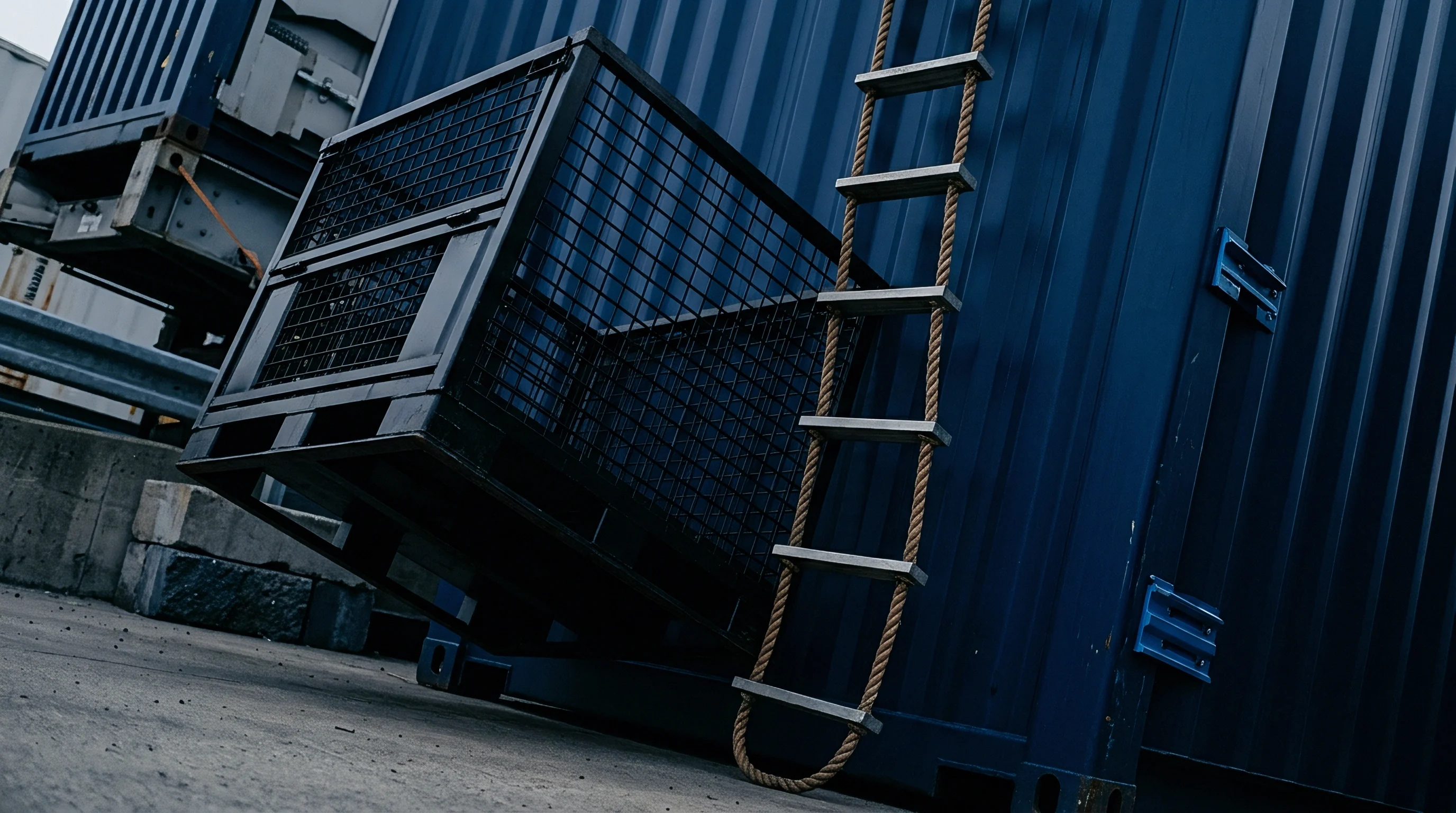
A dark blue corrugated steel shipping container stands behind a black steel mesh pallet cage and a suspended wooden rung rope ladder.

Outlook

Contract prices for batteries and defense components will likely see volatility through the end of the fourth quarter. Buyers should watch the Shanghai Metal Market index to gauge price floors for domestic supply. Approval rates over the first thirty days will signal whether the restrictions function as a soft cap or an outright freeze on specific categories.

An illustration features a wooden gavel on a circular sound block surrounded by raw timber sections, steel components, ceramic parts, and quartz minerals.

Verdict

Secure alternate antimony stocks immediately to bridge shipping gaps expected during the initial licensing phase.

Signal Acquired from: China Ministry of Commerce

Nomenclature

Industrial Chemistry

Process Scale ~ Large-scale chemical processing converts raw bulk feedstocks into refined chemical compounds, specialty additives, and structural materials through continuous catalytic processes.

Antimony Supply

Mineral Availability ~ Global production capacity for antimony hinges upon the concentrated output of high-grade sulfide ores found within a limited number of regional jurisdictions.

Semiconductor Materials

Physical Composition ~ These solid state elements function through controlled electrical conductivity levels to dictate the flow of current within integrated circuitry and power management architectures.

Mineral Scarcity

Resource Constraint ~ Physical availability governs the geologic abundance of elemental materials extracted from the crust for use in manufacturing, defining the operational ceiling for industrial output when extraction rates cannot match demand velocity.

Strategic Reserve

Inventory Buffer ~ A stockpile of essential commodities held by a national government or industry consortium stabilizes supply chains against sudden market volatility or systemic disruptions.

Chinese Trade Policy

Statutory Governance ~ Administrative directives and central planning mandates define how commodities move across national borders under chinese trade policy.

Rare Earth Policy

Resource governance ~ Geopolitical strategy directs the extraction and trade of lanthanide elements to ensure long term industrial stability.

Raw Material Costs

Procurement Valuation ~ Economic accounting identifies the total cash outflow dedicated to the acquisition of physical commodities needed for manufacturing processes.

Logistics Risk

Supply Exposure ~ Inventory disruption represents a variance between predicted arrival windows and actual freight availability.

Export Controls

Legal Restriction ~ Regulatory frameworks applied by national governments to outbound shipments govern the physical movement of dual use technology across international borders.

Procurement Strategy

Sourcing Blueprint ~ Category management of external suppliers constitutes a procurement strategy when an enterprise formalizes supplier selection criteria, contract duration limits and price adjustment formulas into a binding commercial framework.

Defense Manufacturing

Production Oversight ~ Defense manufacturing describes the specialized industrial sector tasked with the creation, modification, and maintenance of armaments, combat platforms, and tactical support equipment for government security agencies.

What the firm knows, published

Expertise is a utility, not a secret. sentiention™ publishes its working knowledge as open reference: intelligence layer covering the materials it sources, the markets it enters, and the reference that serves both.