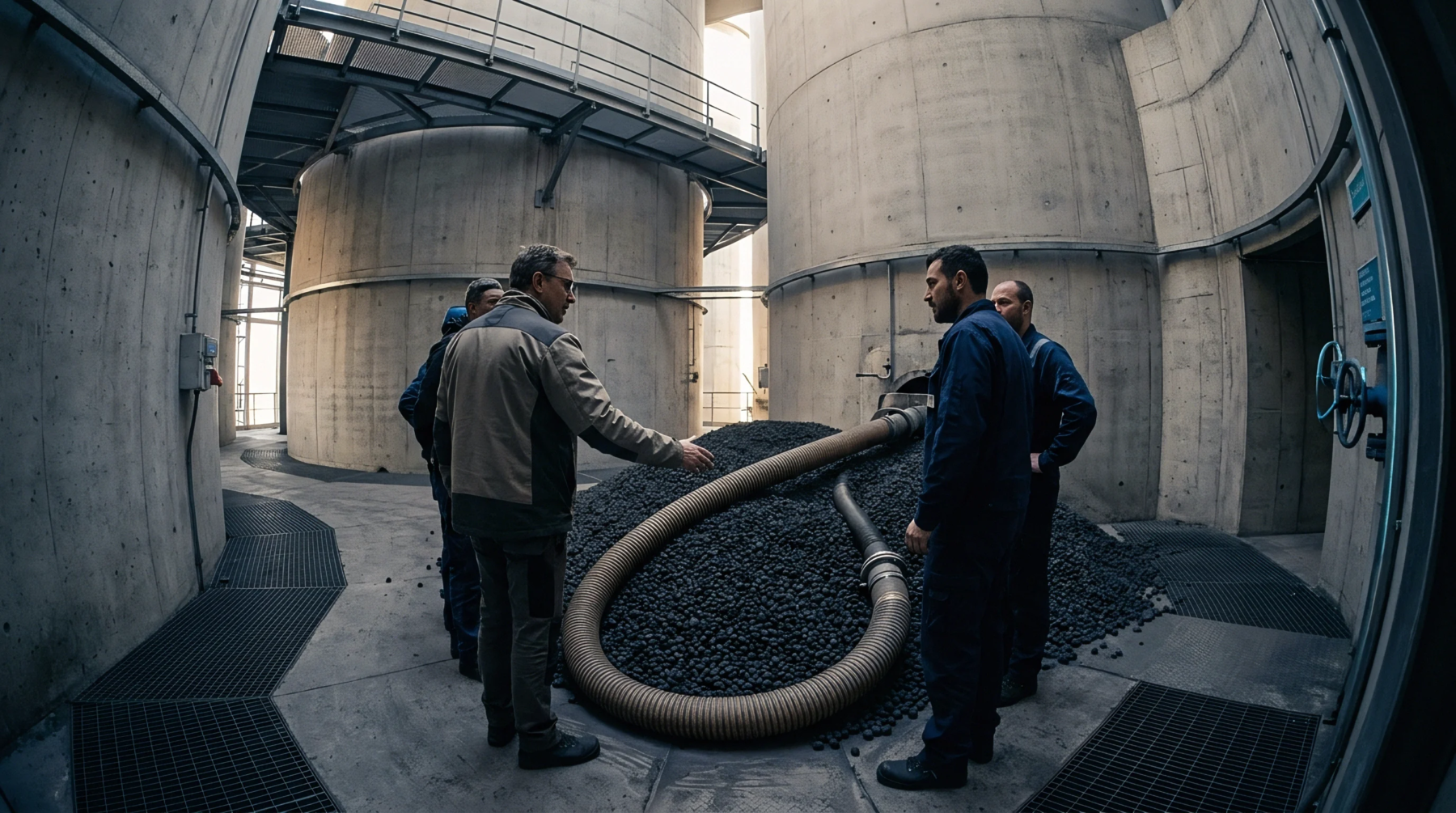
Physical Classification
Dry or liquid commodities transported in large, unpackaged quantities constitute a fundamental category of industrial cargo. In supply chain management, bulk materials require specialised handling equipment rather than standard containerised shipping methods. Standardised specifications govern their density and moisture content to establish trade limits.
Handling Constraint
Terminal infrastructure must adapt to the specific flow properties of unpackaged cargo to prevent cargo degradation or structural damage to vessels. When bulk materials are loaded into a ship or silo, their natural angle of repose determines the stability of the pile. Improper distribution can cause shifting during transit, creating hazardous conditions for maritime transport.
Moisture control remains a primary operational challenge. Excessive dampness can turn fine-grained dry commodities into a semi-liquid state that threatens vessel stability, while dry conditions can generate hazardous dust that requires extraction systems.
Market Volatility
Commodity pricing for raw inputs responds quickly to macroeconomic shifts and mining production cycles. Industrial buyers monitor these pricing trends to adjust their stockpiles, balancing the cost of holding massive volumes against the risk of supply disruptions. Transport rates for dry bulk vessels often fluctuate independently of general container freight rates, driven by industrial demand in major importing regions.
Storage costs at ports representing a major financial liability force buyers to maintain tight delivery schedules.