Global Propylene Glycol Price Hikes Force Buyers to Absorb Feedstock Surcharges

Feedstock cost surges and domestic plant closures force propylene glycol prices higher, tightening North American supply lines.


29.08.26 2 min

Briefing

Rising feedstock costs for propylene oxide and domestic capacity closures are driving up global propylene glycol prices. That has forced procurement teams to adjust budgets across de-icing fluids, paints, pharmaceutical excipients, and polyester resins. Producers have already started lifting off-list prices to pass through higher operating costs, with Dow implementing a 0.31 dollars per pound price increase across North American glycol portfolios.

A bare human hand touches compressed gray fibrous raw material bales aligned neatly inside a large industrial warehouse facility.

Context

Buyers had expected global propylene glycol markets to stay balanced in 2026 despite the planned shutdown of the Freeport, Texas manufacturing site. Procurement teams were counting on expansions from alternative suppliers to prevent regional deficits, while tracking import flows from Asia to see whether overseas volumes could offset lost domestic production.

Polymer beads and layered insulation panels rest on a concrete warehouse floor beside industrial steel framing during raw material sorting.

Analysis

The pressure on pricing stems from a simultaneous squeeze on raw materials and regional capacity. Upstream, propylene oxide is climbing on higher crude-linked propylene costs and maritime shipping disruptions. Because downstream units convert propylene oxide into propylene glycol through hydration, finished diol prices track raw material movements closely.

For buyers, that pass-through is arriving alongside stretched delivery schedules, with lead times on large-volume orders extending up to five months.
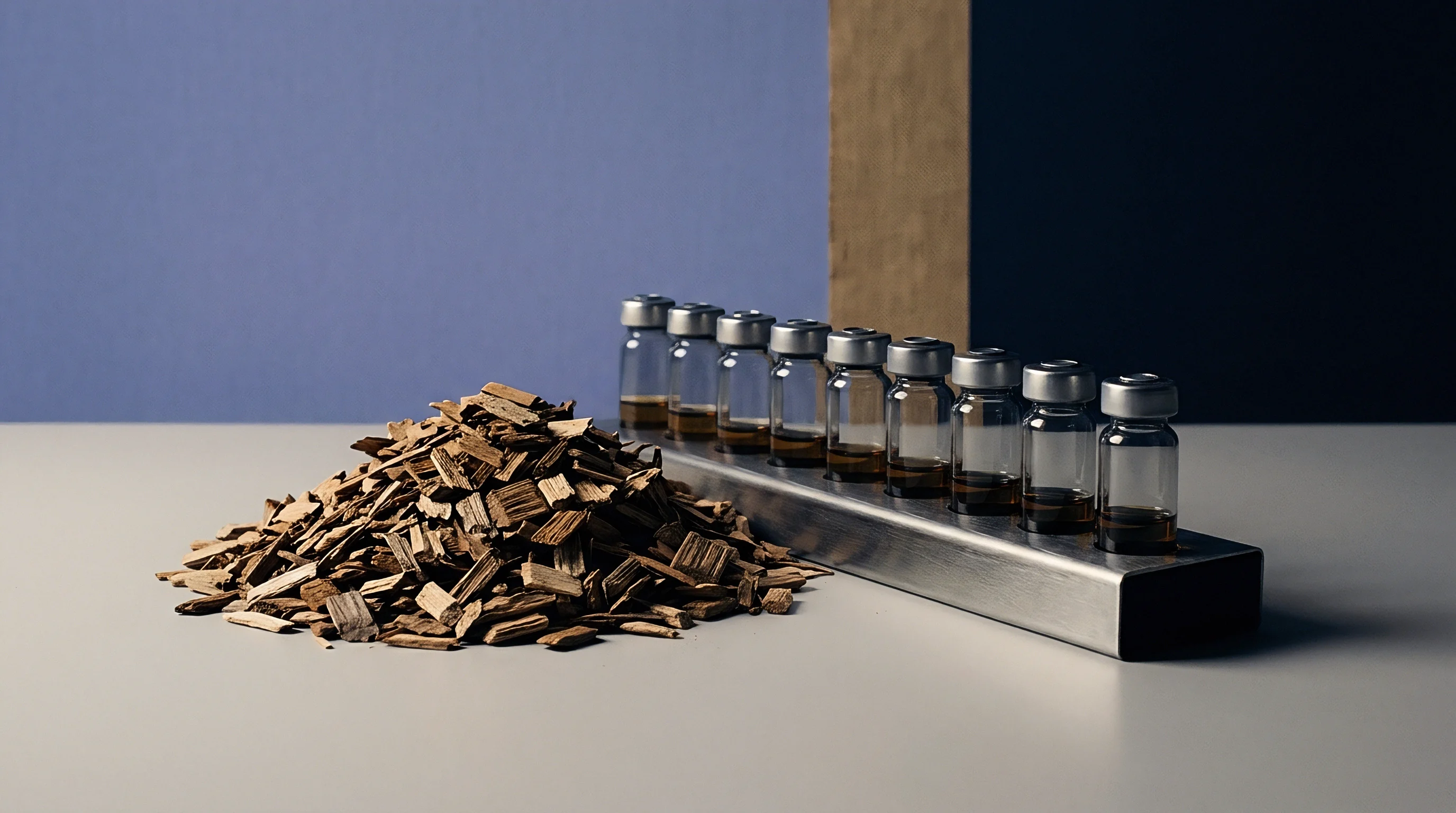
Crushed wood biomass rests beside a metal rack holding sequential glass vials filled with dark amber extraction liquids on a tabletop.

Parameters

  • Dow Glycol Price Adjustment ~ 0.31 dollars per pound increase applied to off-list North American glycol purchases.
  • Global Average Price ~ 1,400.50 dollars per metric ton during the second quarter of 2026.
  • North American Market Benchmark ~ 2,115.67 dollars per metric ton in the second quarter of 2026.
  • Delivery Lead Times ~ Up to five months for select high-volume orders following regional capacity reductions.
  • Upstream Feedstock Surge ~ 67.2 percent rise in regional propylene oxide benchmark prices, climbing to 13,350 yuan per ton.

Vertical metal and glass sample panels stand beside chemical beakers and precision measuring instruments on a dark production laboratory surface.

Outlook

Sourcing costs look set to stay elevated through the third quarter as feedstock pressure continues. Buyers will need to watch the autumn de-icing contracting cycle closely for any further supplier nominations ahead of cooler weather.
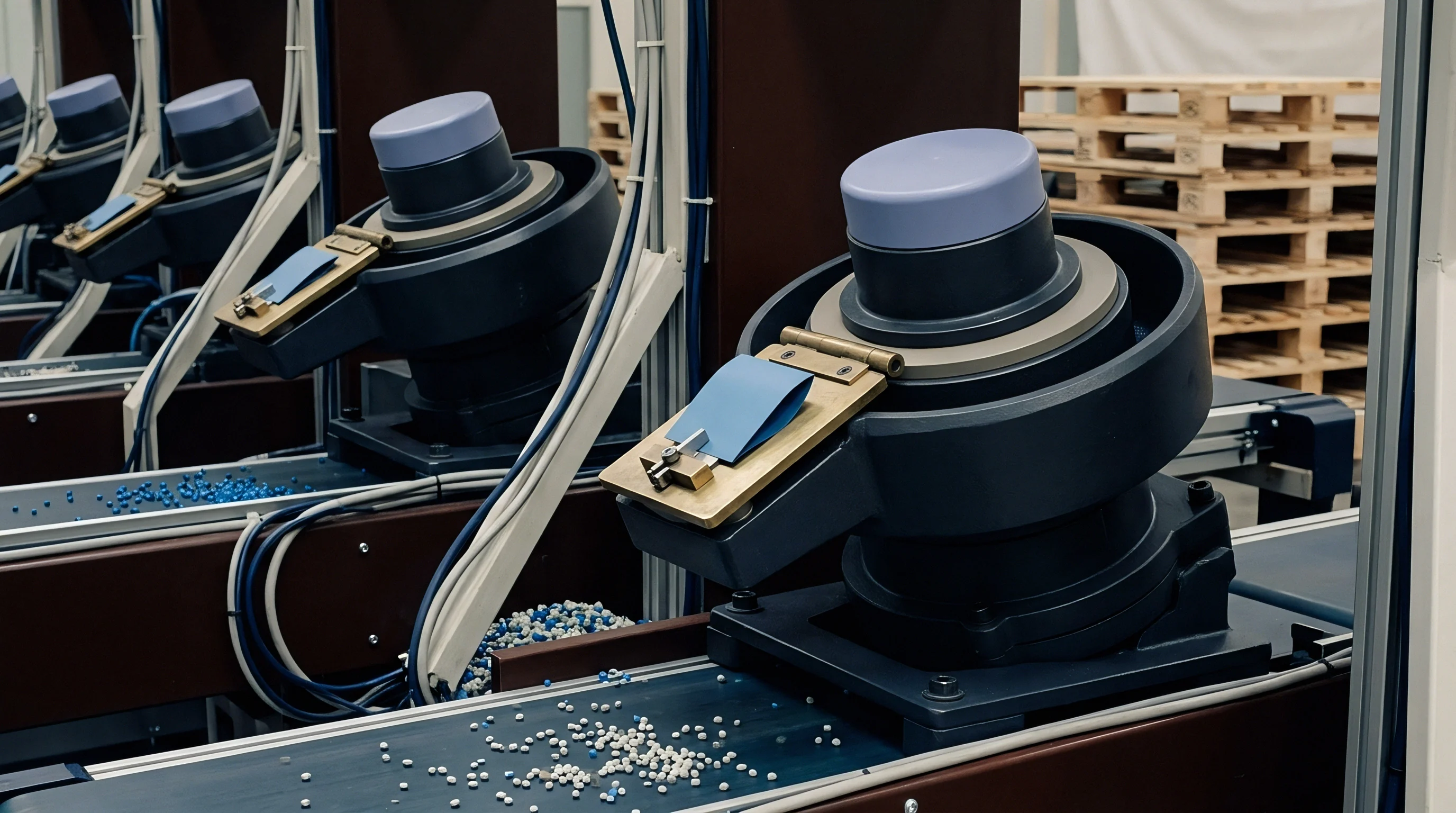
Automated sorting mechanisms operate over a conveyor belt carrying small white and blue polymer pellets through a controlled industrial factory environment.

Verdict

Procurement professionals must lock in contract volumes for winter glycol supplies early to mitigate double-digit cost increases driven by feedstock volatility and domestic plant shutdowns.

Signal Acquired from: GreenChem Industries

Nomenclature

Glycol Pricing Benchmarks

Reference Index ~ Standardized industry price indices for diols provide the baseline valuation for transactions involving coolant and polymer raw materials.

Industrial Chemical Sourcing

Procurement Protocol ~ Acquisition activity identifies, selects, and secures necessary chemical feedstocks from global or domestic markets to sustain manufacturing output.

Propylene Glycol Procurement

Acquisition Strategy ~ Sourcing specialized diols for pharmaceutical and food applications requires rigorous supplier qualification and tracking of feedstocks.

Chlor-Alkali Derivatives

Chemical Portfolio ~ Chemical compounds synthesized from the co-production of chlorine and sodium hydroxide form the foundational building blocks for numerous industrial purification processes.

Thermal Management Fluids

Heat Exchange Composition ~ Liquids engineered for high thermal conductivity and dielectric strength facilitate the transfer of energy away from high power electronic components.

Solvent Market Contracts

Price Settlement ~ Spot trading desks establish solvent market contracts to secure liquid hydrocarbon deliveries across industrial refining hubs.

Propylene Oxide Supply Chains

Chemical Movement ~ Commercial logistics networks governing propylene oxide supply chains require specialized intermodal transport infrastructure due to the high reactivity and toxicity of the substance.

Feedstock Cost Pass-through

Contractual Provision ~ Price adjustment mechanisms allow a seller to transfer the financial risk of raw material volatility to a buyer.

Organic Chemical Manufacturing

Synthetic Reaction ~ Transformation of hydrocarbon feedstocks through catalytic processes creates organic chemical manufacturing.

Performance Chemical Budgets

Budgetary Allocation ~ Planned expenditure for specialized chemical substances used in industrial processes ensures that production quality and safety standards are met.

What the firm knows, published

Expertise is a utility, not a secret. sentiention™ publishes its working knowledge as open reference: intelligence layer covering the materials it sources, the markets it enters, and the reference that serves both.