Global Molybdenum Deficit Drives Ferromolybdenum and Alloy Prices to Three Year Highs

Molybdenum supply deficits force procurement teams to accept higher stainless steel and alloy prices through 2026.


30.08.26 2 min

Briefing

Global molybdenum prices on the London Metal Exchange surged over forty percent in 2026, reaching thirty-two dollars per pound. The increase follows a widening global supply deficit that leaves industrial buyers facing higher alloy surcharges and longer lead times for specialty steel. With seventy percent of molybdenum extracted as a copper mining by-product, mine operators cannot rapidly boost output to keep pace with demand from aerospace and clean energy.

Procurement departments are having to adjust budgets accordingly, as the annual market deficit is projected at 44,300 metric tons for 2026.
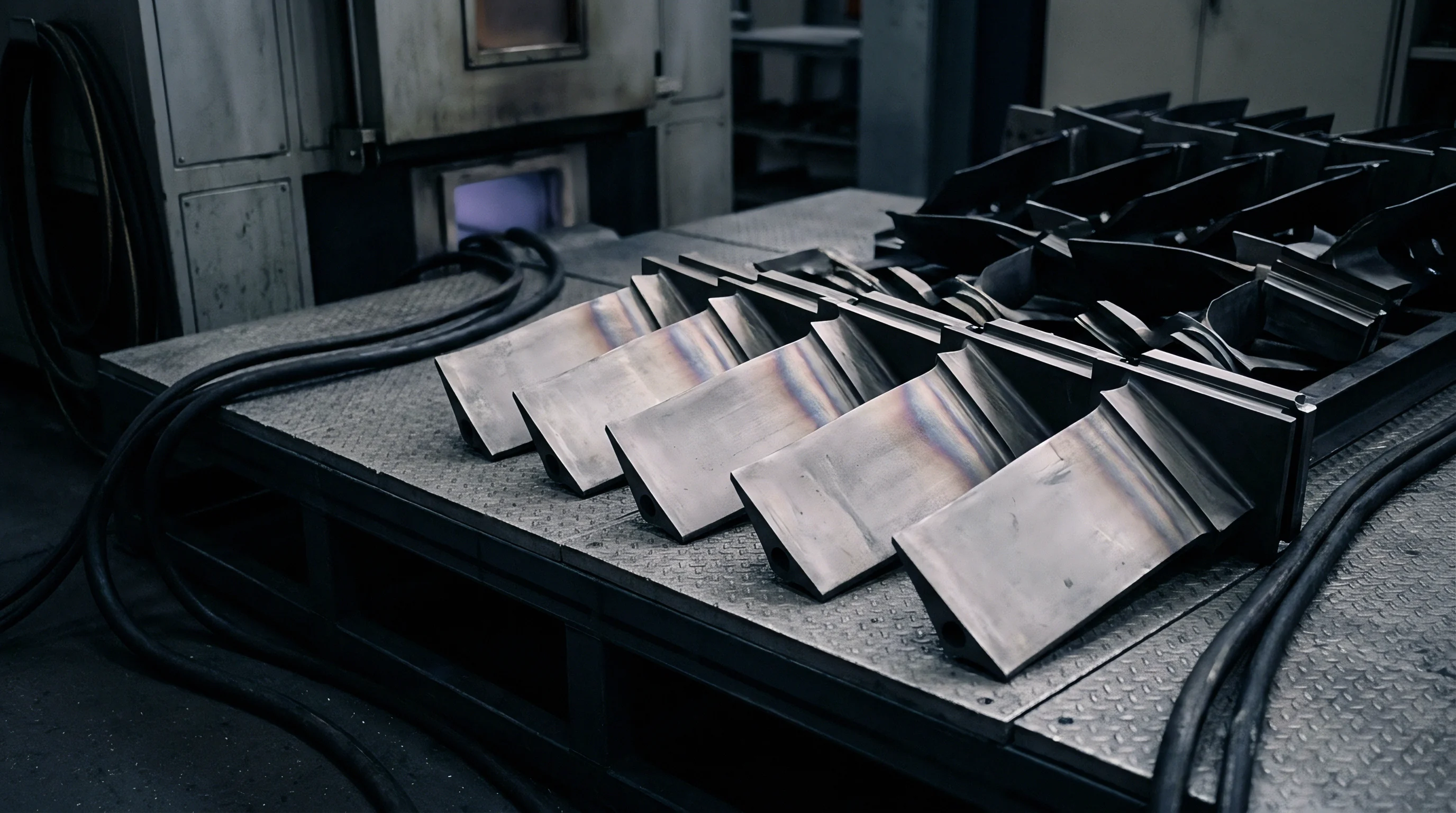
Machined alloy turbine blades rest on a steel workbench inside a heavy industrial machinery production plant.

Context

Before the deficit took hold, procurement teams expected alloy prices to settle following years of market volatility. Buyers were tracking regional steel demand to time standard contract renewals, with the main concern being whether global mine output would cover steady industrial growth.

Brushed aluminum parabolic antenna hardware rendered in three dimensions rests upon a concrete warehouse floor beside industrial server racks.

Analysis

The supply squeeze reflects underlying geological and market constraints. Molybdenum is critical for strengthening high-performance steel alloys, but its output is bound to copper mining. When copper production runs at steady levels, molybdenum supply stays flat regardless of price signals.

That structural inelasticity has collided with double-digit growth in demand from wind turbine manufacturing and defense. The resulting shortage feeds directly into higher spot prices for ferromolybdenum and finished steel. Low distributor inventories mean factories are now competing on bids to secure volumes for upcoming runs.

Three black plastic spools loaded with blue polymer cable are bracketed to a heavy concrete structural pillar inside an industrial facility.

Parameters

  • LME Spot Price ~ 32 dollars per pound, up more than 40 percent since the start of the year.
  • Global Supply Deficit ~ Estimated at 44,300 metric tons for the year, the largest deficit in recent years.
  • Copper Mining Dependency ~ 70 percent of world molybdenum output comes as a copper by-product, restricting supply elasticity.
  • Wind Energy Consumption ~ 100 to 120 metric tons of molybdenum per gigawatt of installed wind capacity, pushing up non-steel demand.

A manufacturing specialist examines a heavy steel industrial swivel alongside diverse material samples and a photovoltaic solar panel in a studio setting.

Outlook

Tight supply is expected to continue through the second half of the year. Procurement leads should keep a close eye on third-quarter maintenance schedules at South American copper mines and monthly exports of molybdenum concentrate from China. Those metrics will signal whether the supply gap is set to expand or stabilize ahead of the upcoming contract cycle.

Mechanical testing apparatus secures a glass container holding a fine particulate sample inside a production laboratory facility.

Verdict

Procurement desks should lock in long-term molybdenum and alloy contracts immediately to secure volumes and protect production lines against rising spot premiums and delivery delays.

Signal Acquired from: PricePedia

Nomenclature

Industrial Minerals

Quarry Valuation ~ Non-metallic mineral deposits traded for industrial consumption undergo pricing assessments based on chemical purity, particle size distribution and transport costs rather than metal content.

Strategic Raw Materials

Industrial Scarcity ~ Supply concentration defines strategic raw materials when geopolitical dependencies threaten the continuous flow of critical minerals into manufacturing sectors.

Supply Deficit

Market Condition ~ Shortfall occurs when the volume of goods available fails to meet the quantities requested by active buyers.

Industrial Inputs

Supply Cost ~ Raw material acquisition forms the baseline financial commitment required before manufacturing begins.

Chemical Additives

Functional Concentration ~ Industrial formulation relies upon chemical additives to alter rheological behavior, corrosion resistance, and thermal thresholds within finished polymer matrices, lubricants, and coatings.

Commodity Price Surge

Price Velocity ~ Rapid market acceleration defines a sudden upward cost shift across globally traded physical materials and industrial feedstocks, driven by inventory depletion and sudden procurement shocks.

Strategic Stockpiling

Buffer Efficacy ~ Reserve accumulation operates as a state-directed market intervention designed to insulate domestic supply chains from external trade shocks by purchasing and holding physical commodities outside normal commercial channels.

Metal Procurement

Industrial Sourcing ~ Acquisition activity secures raw industrial inputs through established trade channels to maintain consistent production output.

Stainless Steel Manufacturing

Metallurgical Conversion ~ Industrial transformation of iron alloys involves the introduction of chromium to create a corrosion resistant surface through specific thermal and chemical procedures.

What the firm knows, published

Expertise is a utility, not a secret. sentiention™ publishes its working knowledge as open reference: intelligence layer covering the materials it sources, the markets it enters, and the reference that serves both.