Sherwin-Williams Coatings Price Hike Forces Higher Maintenance Sourcing Budgets
Coatings contracts will rise eight percent as Sherwin-Williams lifts Paint Stores Group pricing starting September first
Briefing
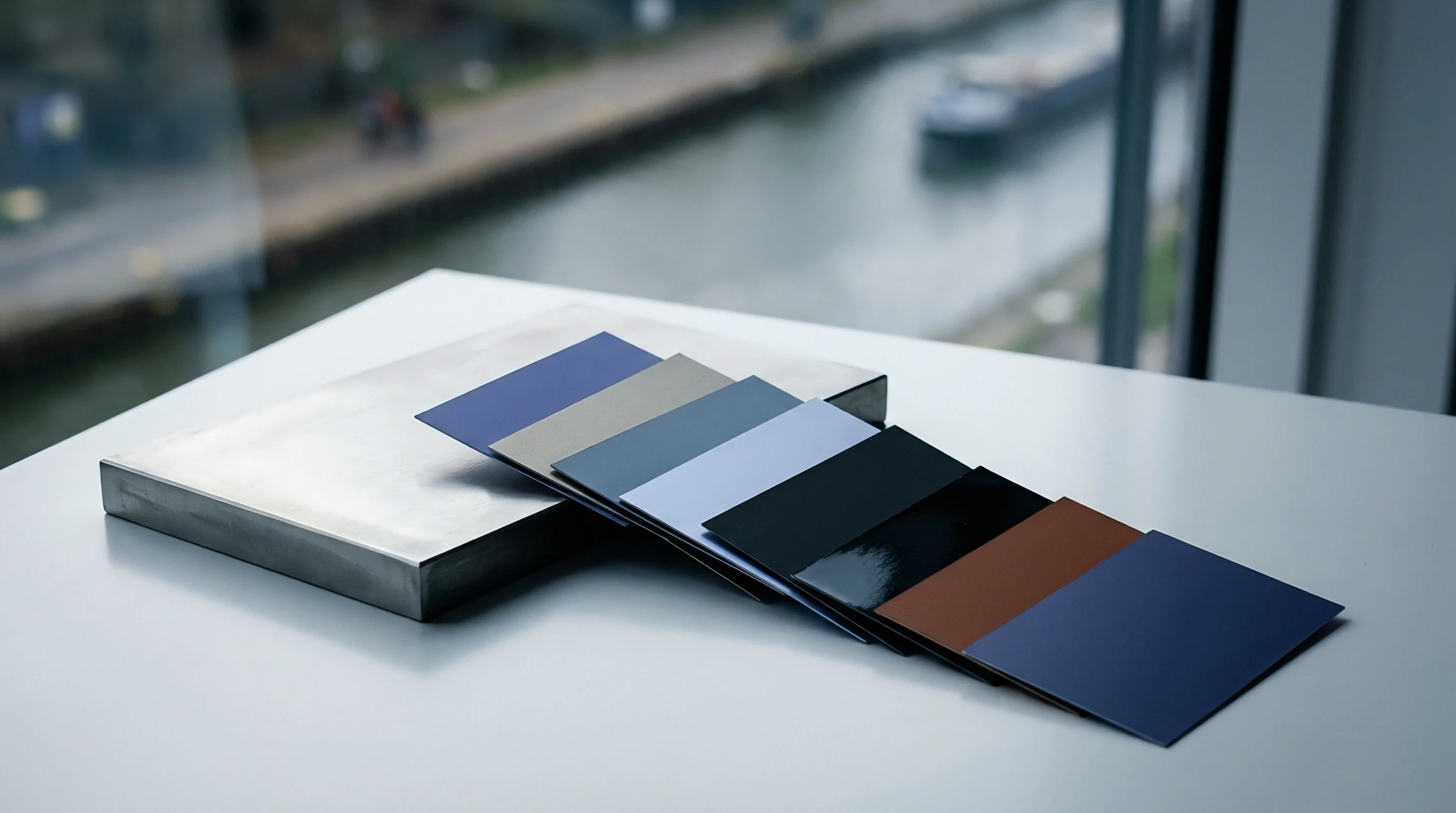
Sherwin-Williams has announced an eight percent nationwide price increase across its direct and professional retail network. Effective September 1, 2026, the hike covers the core Paint Stores Group, which distributes architectural coatings, wood stains, and protective finishes. Persistent cost pressure across petrochemical feedstocks, packaging, and regional freight is pushing major manufacturers to pass increases straight to procurement teams. Buyers operating without fixed-term agreements will see direct price jumps across construction, maintenance, and refinishing budgets. The increase targets the company’s largest operating unit, which generated 3.89 billion dollars in sales during the second quarter of 2026.
Context
Procurement teams spent early 2026 monitoring crude oil and chemical intermediate volatility, waiting to see whether resin and solvent pricing would stabilize or if paint suppliers would raise prices to protect margins. The broader market expected producers to absorb higher input costs through the peak summer painting cycle to maintain volume. While Sherwin-Williams held off through that window, mounting expenses in packaging, regional freight, and local labor ultimately forced the revision.

Analysis
The increase reflects sustained inflation working down through the supply chain. Base coatings rely on petrochemical resins, solvents, and pigments ~ all subject to geopolitical pressure and shipping snarls that continue to drive up acquisition costs. That feedstock pressure is compounded by higher outlays for plastic and steel packaging, regional warehousing, and retail staff. Commercial buyers will see the impact immediately on standard invoices: while multi-year enterprise contracts may carry temporary fixed-price clauses, direct retail and contractor purchases take on the full eight percent markup on September first. This move establishes a price benchmark likely to be matched across the commercial coatings sector.
Parameters
- Price Adjustment Percentage ~ 8% increase on paint and coating products sold through Paint Stores Group direct channels.
- Implementation Date ~ September 1, 2026, when the new pricing structure takes effect.
- Division Sales Volume ~ 3.89 billion dollars in net sales reported by the Paint Stores Group in the second quarter of 2026.
- Annual Cost Reduction Goal ~ 17 million dollars in expected savings from second-quarter internal restructuring actions.
Outlook
Buyers should monitor whether peers such as PPG and AkzoNobel issue corresponding price increases over the coming weeks, as coating suppliers historically move together during feedstock run-ups. Tracking distributor list adjustments will show whether the eight percent mark becomes an industry-wide standard. In addition, sourcing teams should review October third-quarter earnings releases from primary chemical suppliers to determine whether raw material cost pressures are beginning to moderate.

Verdict
Sourcing managers must audit paint contracts and lock in pricing before September first to mitigate incoming eight percent inflation across coatings.