High Power Tariffs Force Elevated Caustic Soda Price Floors
High electricity costs establish a firm price floor for caustic soda, requiring buyers to accept elevated contract baselines.
Briefing
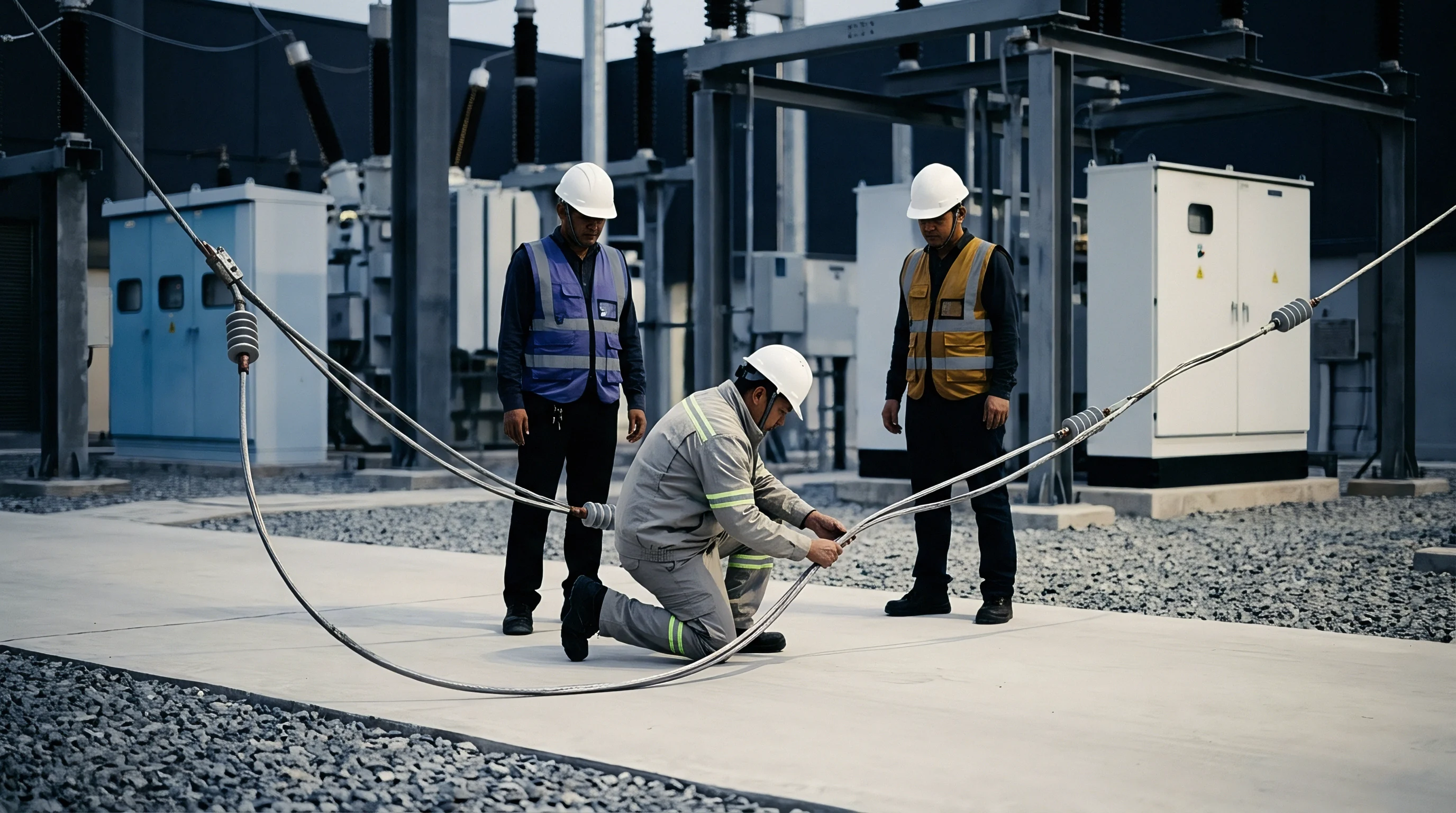
High energy costs and rising power tariffs have set a firm price floor for global caustic soda. For procurement desks in the pulp, paper, and textile industries, this eliminates expected price relief despite soft downstream consumption. Because chlor-alkali facilities rely on energy-intensive brine electrolysis to produce sodium hydroxide alongside chlorine, volatile power tariffs translate directly into spot market resistance. Consequently, buyers face sustained high contract benchmarks, with German caustic soda holding at 760 USD per dry metric ton.
Context
Before this energy-driven floor took hold, buyers were anticipating a post-restocking demand lull that might force chlor-alkali producers to drop prices. The main question was whether weak industrial demand across paper, textile, and detergent manufacturing would allow buyers to negotiate deeper discounts on late-summer spot shipments.
Analysis
Caustic soda, or sodium hydroxide, is generated as a co-product during chlorine manufacturing. The underlying brine electrolysis reaction consumes vast amounts of electricity, turning chlor-alkali facilities into de facto energy refiners. As a result, caustic soda pricing tracks electricity rates and natural gas indices far more closely than chemical supply and demand. With utility costs remaining high across Europe and North America, producers cannot offer discounts without incurring operating losses. This energy cost burden transfers straight to buyers, maintaining high prices despite low industrial consumption.
Parameters
- German price benchmark ~ 760 USD per dry metric ton, marking the highest regional average during the second quarter of 2026.
- United States price benchmark ~ 600 USD per dry metric ton, representing a 7.1 percent quarter-on-quarter increase.
- India price benchmark ~ 495 USD per dry metric ton, recovering on the back of firmer regional supply conditions.
- China price benchmark ~ 445 USD per dry metric ton, continuing the price recovery that began earlier in the year.
Outlook
Caustic soda prices are set to remain trapped in a elevated band over coming quarters. Sourcing managers should track industrial power tariffs and regional natural gas indices in Europe and North America as the autumn heating season approaches. Any sharp rise in these energy benchmarks will immediately drive caustic soda quotes higher.
Verdict
Do not expect price relief; secure volume contracts early to protect budgets from energy-driven tariff spikes.