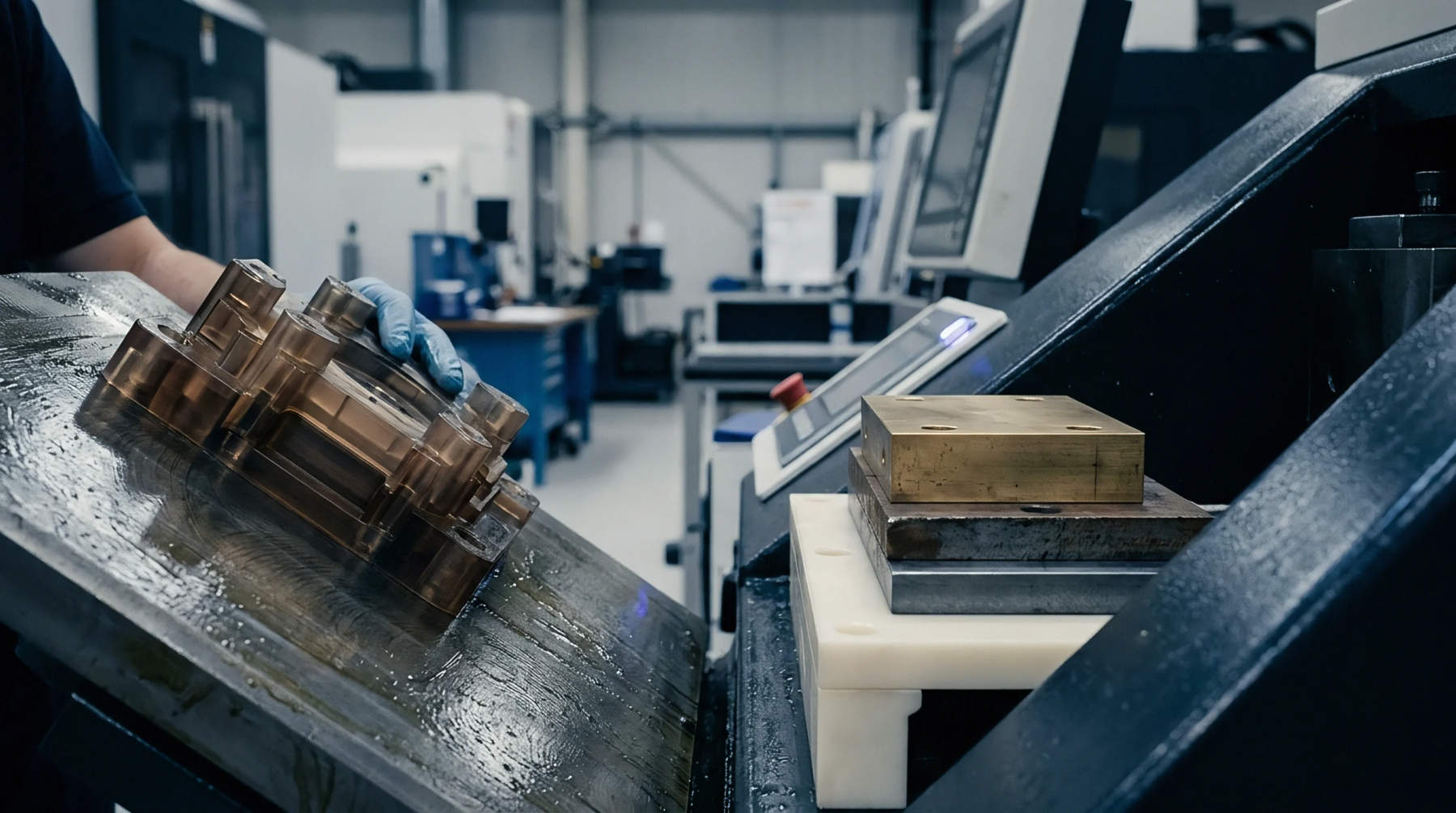
Alloy Composition
Non-ferrous alloys with low melting points and high fluidity provide the feedstock for high pressure molding processes used to create complex industrial shapes. Most die casting materials consist of aluminum or magnesium bases mixed with secondary elements. These mixtures allow for the rapid filling of intricate steel dies.
Compositional purity dictates the surface finish and structural integrity of the final part.
Thermal Performance
Molten metals must exhibit specific solidification characteristics to prevent defects like cold shuts or hot tearing. These die casting materials cool rapidly upon contact with the water cooled surfaces of the mold. Rapid solidification promotes a fine grain structure that enhances mechanical strength.
Silicon additions usually improve the flow of aluminum alloys into thin wall sections. Thermal conductivity remains a primary selection factor for automotive and electronics applications.
Casting Stability
Dimensional accuracy depends on the predictable shrinkage of the metal as it moves from a liquid to a solid state. Because die casting materials contract at different rates, tool designers must incorporate specific offsets into the mold geometry. Zinc alloys offer high dimensional precision due to their low casting temperatures and minimal tool wear.
Magnesium provides a high strength to weight ratio for portable devices. Choice of alloy determines the longevity of the steel dies. Mechanical properties like creep resistance and impact strength vary widely between the different metal groups.
Modern automotive engineering relies on these properties to reduce vehicle weight while maintaining safety standards in structural components.