Teckrez Twenty-Five Percent Resin Price Increase Squeezes Adhesive Sourcing
Adhesive buyers must absorb a 25 percent price hike on hydrocarbon resins from Teckrez due to Asian feedstock shortages.
Briefing
In April 2026, resin distributor Teckrez lifted prices by 25 percent on hydrocarbon resins and 10 percent on bio-based lines. The adjustment forces industrial procurement desks to rework supply contracts and revise budgets across adhesives, sealants, coatings, and packaging materials. This is the distributor’s second price hike within a month, following an 11 percent increase in late March.
Buyers sourcing tackifiers and bindery adhesive compounds face compounding cost pressures as regional shortages and maritime shipping delays push benchmark C5 and C9 petroleum resin prices more than 25 percent above historical averages.

Context
Procurement teams had already been monitoring climbing operating costs at chemical synthesis plants across the Asia-Pacific region. Sourcing managers were primarily gauging how long regional distributors could shoulder higher freight rates before passing them downstream to adhesive manufacturers. Market consensus had pointed toward steady pricing through the first half of the year, based on expectations that domestic polymer demand would stay subdued.

Analysis
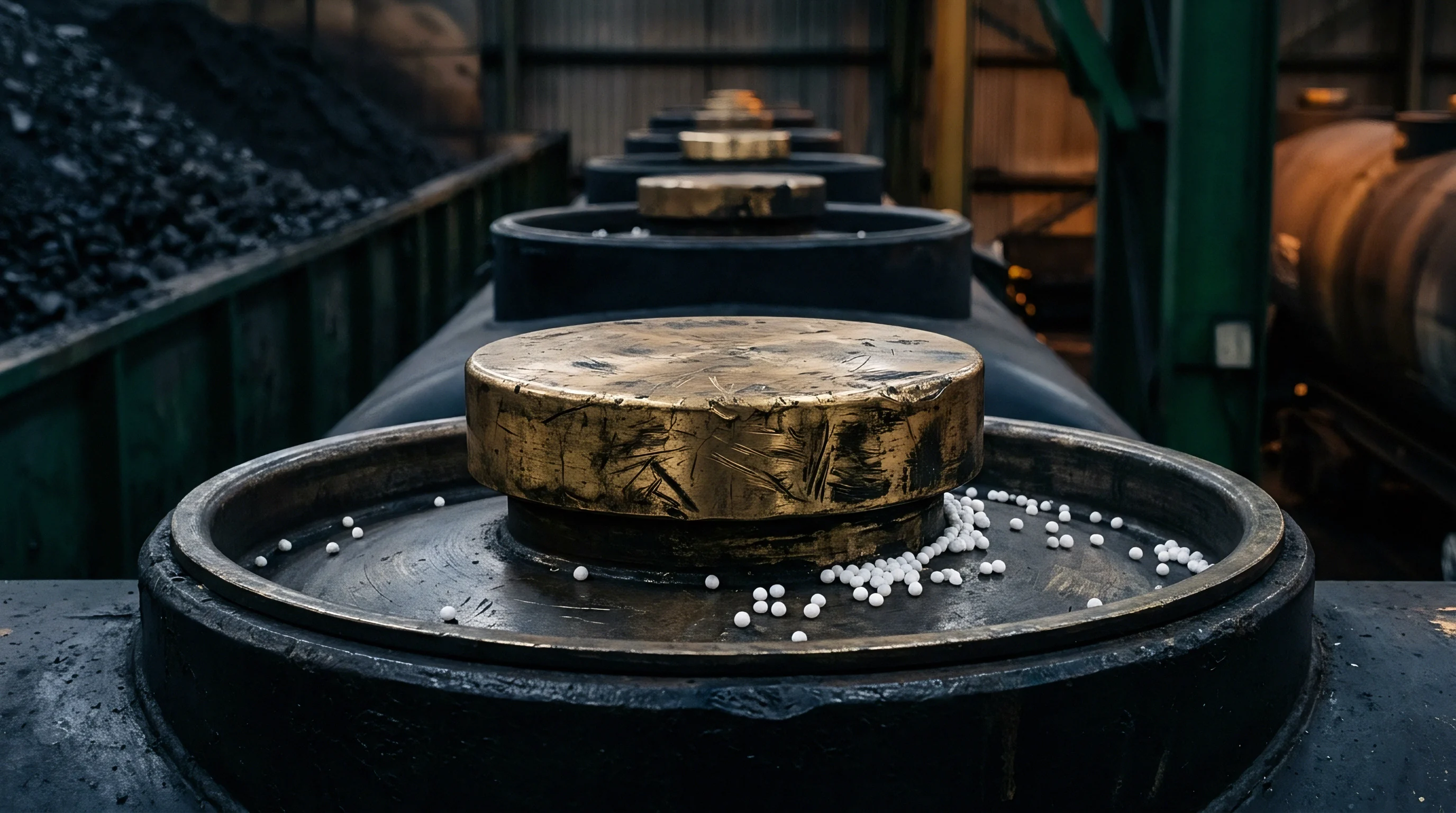
The direct driver is an acute shortage of petroleum feedstocks in Asia and Brazil. Resin manufacturing depends on C5 and C9 hydrocarbon fractions extracted during crude refining; when feedstocks tighten, producers cut back output and pivot capacity toward higher-margin specialty grades, lifting prices on baseline tackifiers. Ocean freight disruptions have compounded the pressure, as geopolitical conflicts in key Middle Eastern waterways force vessels onto longer alternative routes.
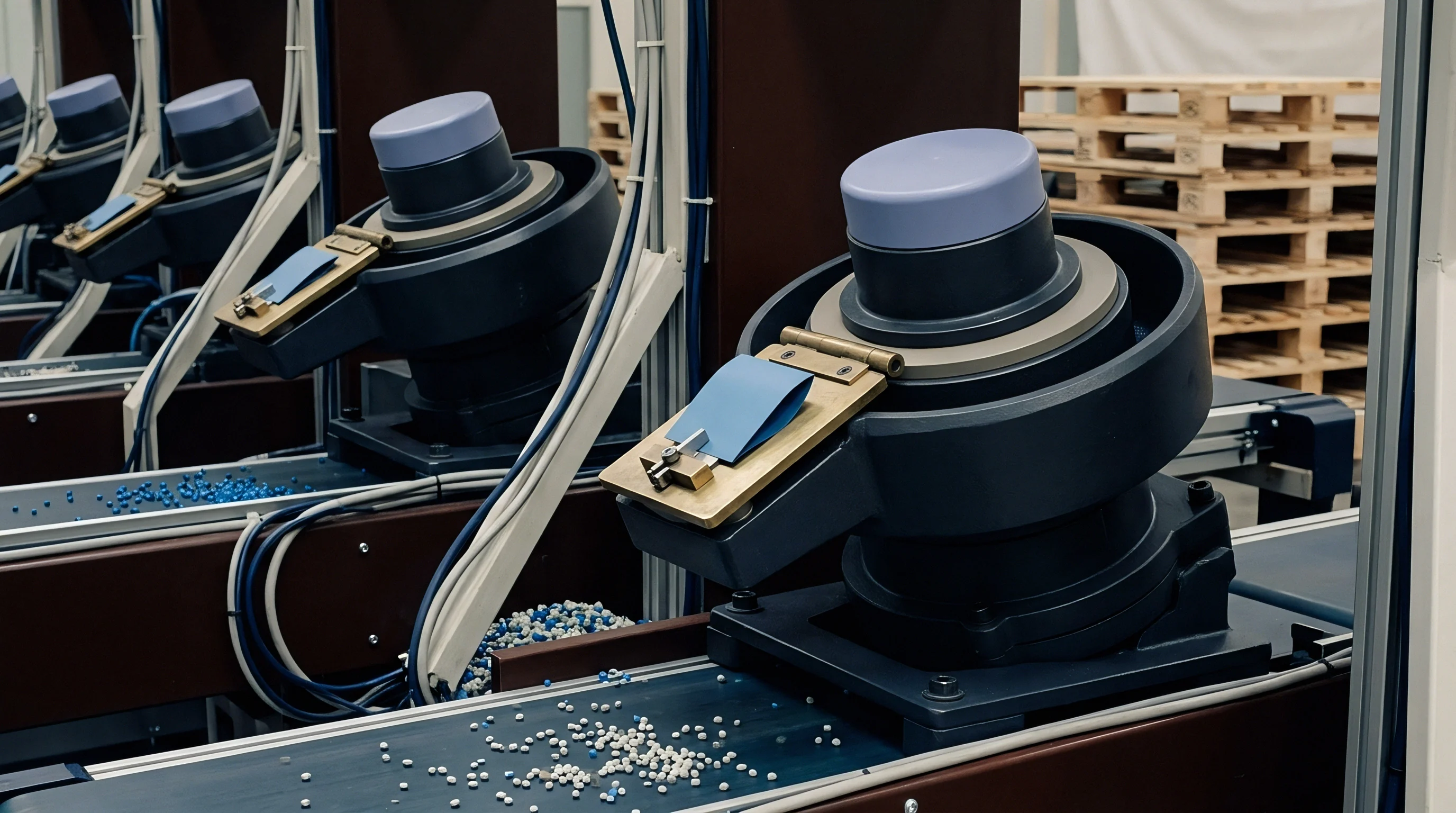
For procurement desks, a 25 percent increase at the distributor level translates to an immediate 10 to 15 percent rise in finished adhesive costs. Sourcing teams working with hot-melt or pressure-sensitive tape formulations should also prepare for longer lead times and higher minimum order volumes from tier-one vendors.

Parameters
- Hydrocarbon resin price increase ~ 25 percent hike applied directly to petroleum-based resins from April 15, 2026.
- Bio-based resin price increase ~ 10 percent surcharge applied to natural resins and derivatives from April 15, 2026.
- Prior price adjustment ~ An 11 percent price increase announced in mid-March and implemented on March 23, 2026.
- Effective implementation date ~ April 15, 2026, for the secondary, larger pricing adjustment across the resin product line.

Outlook
Adhesive prices are likely to hold at elevated levels through next quarter as surcharges filter through the supply chain. Sourcing managers will need to track crude tall oil pricing and watch for vessel traffic to stabilize through Middle Eastern corridors to gauge when feedstock supply might ease. Sourcing teams should also audit formulations now to see if substituting bio-based rosin esters for C5 petroleum resins can blunt financial exposure ahead of autumn contract negotiations.

Verdict
Industrial buyers must act immediately to secure alternative adhesive allocations or renegotiate contracts to offset the 25 percent resin surcharge.