Canada Imposes Provisional Duties up to 225.9 Percent on Chinese Building Cables
Canada's massive duties on Chinese unarmoured building cables force immediate sourcing shifts for construction and electrical buyers.
Briefing
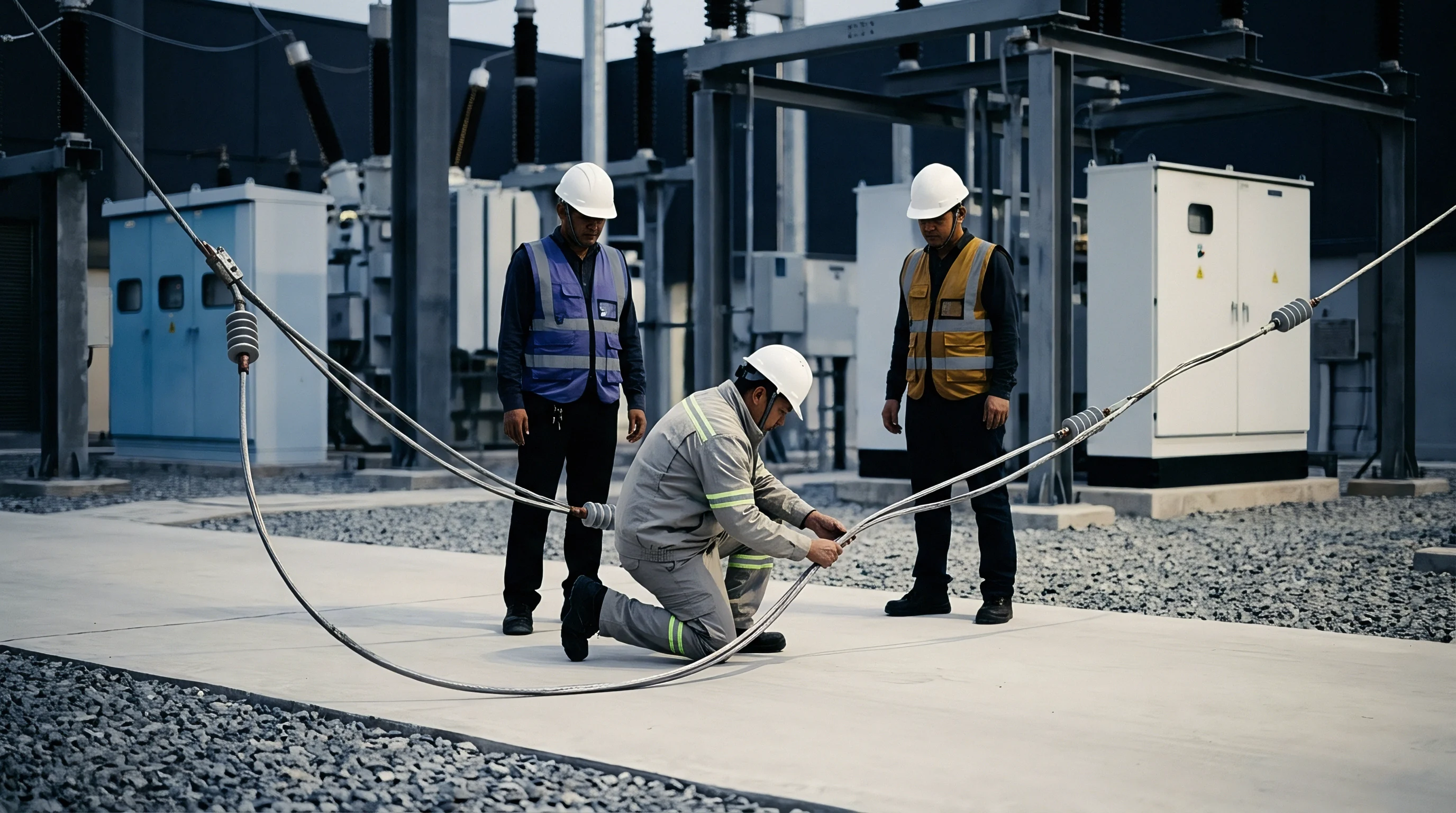
On July 29, 2026, the Canada Border Services Agency imposed provisional anti-dumping and countervailing duties reaching up to 225.9 percent on Chinese unarmoured building cables and related conductors. Enacted under the Special Import Measures Act, the decision immediately lifts landed costs on power distribution cables across electrical and construction work. Exporters without established individual rates face the full 225.9 percent duty, while three specific Chinese suppliers secured lower, company-specific margins. For procurement desks on multi-million dollar jobs, the tariff liability effectively cuts off low-cost Chinese supply routes and forces an immediate turn toward domestic or alternative foreign producers.
Context
Before the ruling, commercial buyers had treated Chinese manufacturers as the default baseline for high-volume electrical infrastructure. Estimators planned project budgets around steady import margins on wire and conductors, tracking raw copper and aluminum while waiting to see whether the preliminary inquiry would turn up enough market damage to trigger trade relief.
Analysis
The trade investigation began after domestic producers filed complaints over persistent price undercutting. Once the Canada Border Services Agency confirmed that imported cable entered the country with dumping and subsidy margins, it instituted provisional duties to erase the price spread at the border. Importers must post these duties as cash deposits upon customs release, creating an expense that flows directly down to the contractor or builder. The measure covers standard unarmoured cables rated between 80 volts and 300 volts with conductor sizes from AWG 14 to AWG 2. That establishes a two-tiered market: shipments from the three cooperating suppliers incur duties between 40.7 percent and 88.6 percent, while unlisted producers face the full 225.9 percent rate.

Parameters
- Maximum Surcharge Rate ~ 225.9 percent provisional duty applied to imports from unlisted Chinese exporters.
- Minimum Exporter Rate ~ 40.7 percent provisional duty established for Hebei Huatong Wires and Cables Group.
- Investigation Date ~ July 29, 2026, the effective date for provisional SIMA duty collection.
- Voltage Threshold ~ 80 volts to 300 volts ratings for insulated conductors covered by the trade measures.
- Conductor Sizes ~ AWG 14 to AWG 2 sizes for copper or aluminum conductors subject to the tariff.
Outlook
Attention now shifts to the final determination calendar. The Canada Border Services Agency is scheduled to issue its final dumping and subsidy rulings on October 27, 2026, followed by the Canadian International Trade Tribunal injury decision on November 26, 2026, which will decide whether the provisional surcharges lock in as permanent five-year duties.
Verdict
Electrical and construction buyers must audit component origins immediately and pause new orders with non-cooperating Chinese cable mills to avoid 225.9 percent provisional cash deposits at customs.