New European Union Benzyl Alcohol Duties Lift Chemical Sourcing Costs

The European Union imposed provisional anti-dumping duties of up to 71.2% on Chinese benzyl alcohol, raising chemical costs.


29.08.26 2 min

Briefing

The European Commission enacted Implementing Regulation (EU) 2026/1857 on July 27, 2026, placing provisional anti-dumping duties on benzyl alcohol imported from China. The decision raises procurement costs for buyers using Chinese-origin solvents across industrial coatings, epoxy resins, and fragrances. Border customs now require financial guarantees, putting immediate pressure on cash flow.

Sourcing teams are left to absorb these higher landed prices or start qualifying European producers, with duty rates reaching up to 71.2 percent for non-cooperating exporters.

Precision calipers and micrometers rest on a black workbench beside an industrial lift vehicle in this digital render.

Context

Procurement teams had been watching the surge in complaints from European chemical conglomerates, waiting to see whether registrations would escalate into actual tariffs. Any expectations of cooling trade tensions have faded, leaving buyers to navigate a firm EU trade defense policy targeting downstream chemical ingredients.

A metal platform within an industrial logistics hub holds a tightly strapped coil of coiled material.

Analysis

Lanxess Deutschland, Lanxess Chemical, and Vynova Advanced Organics triggered the measure through a formal complaint detailing how state-subsidized overcapacity allowed Chinese suppliers to export benzyl alcohol below domestic prices. This undercut European producers struggling with squeezed margins, prompting the European Commission to introduce a tiered tariff structure. The impact is immediate as specialty distributors update their price sheets, leaving buyers to decide between paying inflated costs for Chinese shipments or working through lengthy qualifications for regional alternatives.

Switching to European suppliers avoids the tariff altogether, though at higher baseline market prices that act much like a permanent shipping surcharge on every metric ton.

An industrial automated guided vehicle lifts a wooden crate secured on a wooden pallet inside a minimalist warehouse facility.

Parameters

  • Maximum duty rate ~ 71.2 percent, set for non-cooperating Chinese exporters.
  • Minimum duty rate ~ 52.6 percent, applied to the lowest-tariff cooperating Chinese exporter.
  • Effective date ~ July 29, 2026, marking the start of provisional duty collection at the border.
  • Primary legal authority ~ Implementing Regulation (EU) 2026/1857, which mandates the tariff action.
  • Complainant companies ~ Lanxess Deutschland, Lanxess Chemical, and Vynova Advanced Organics, the domestic producers initiating the petition.
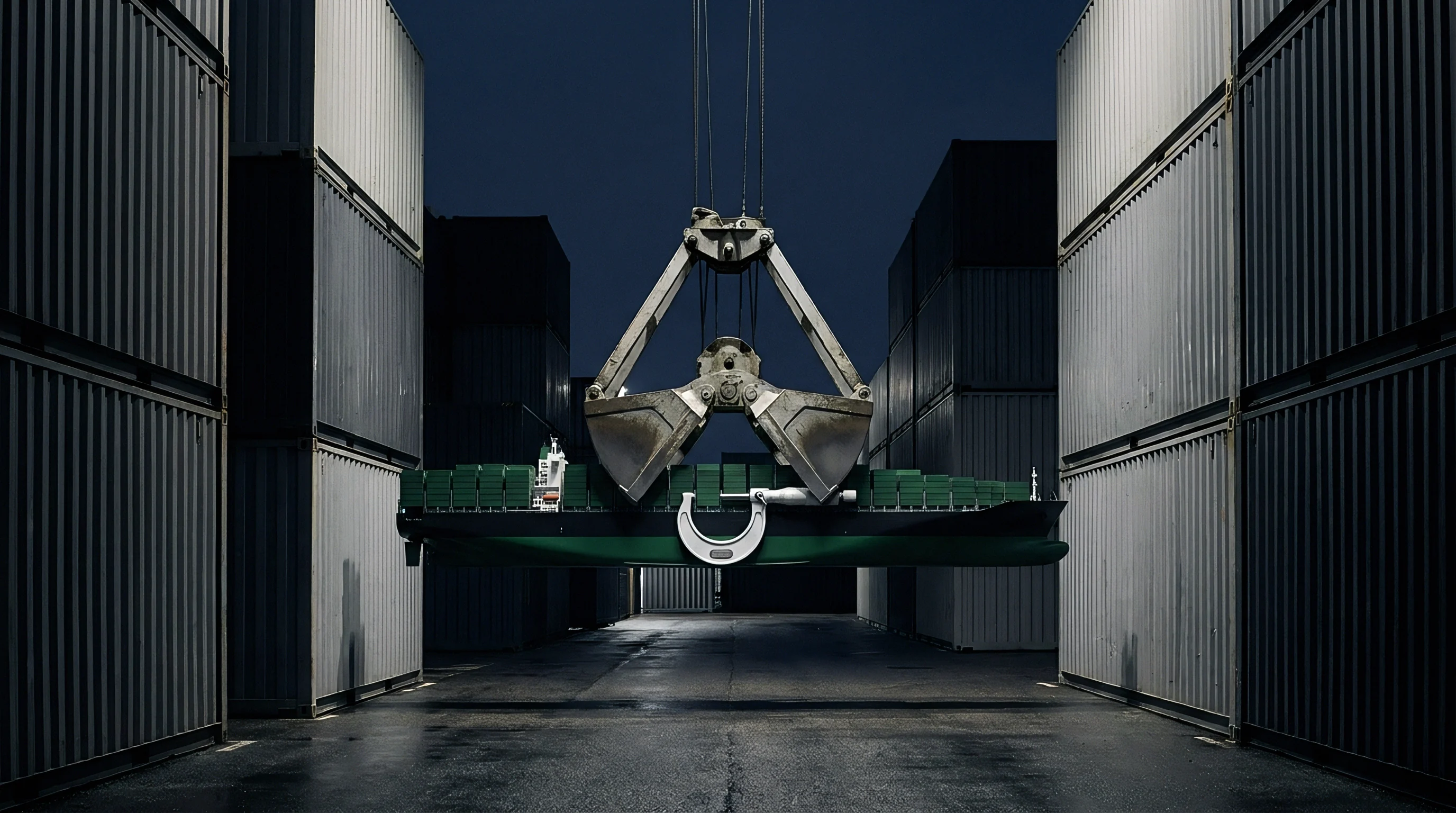
A digital render shows an industrial crane lifting a model cargo vessel between towering steel shipping containers inside a dark terminal warehouse.

Outlook

The European Commission will decide in the coming months whether to convert these provisional rates into definitive five-year measures. Sourcing managers need to monitor the final determination due by late December 2026, which will confirm whether duty levels change or remain locked in for five years.

A digital render presents a heavy subsea energy dome suspended inside a structural steel testing rig upon a dark industrial pier.

Verdict

Chemical buyers must adjust their cost models to absorb duties up to 71.2 percent on Chinese benzyl alcohol or begin qualifying alternative regional suppliers immediately.

Nomenclature

European Commission

Regulatory Body ~ The executive branch of the European Union proposes legislation, enforces bloc-wide rules and represents the union in international trade negotiations.

Chemical Sourcing

Procurement Protocol ~ Acquisition management systems define the structured methodology through which manufacturing entities secure raw chemical inputs while mitigating volatility in global price indices.

Import Tariffs

Fiscal Charge ~ Border levied financial duties apply to the value or quantity of goods as they enter a national territory.

Anti-Dumping Regulation

Regulatory Standard ~ Statutory trade policy measures grant national administrative authorities the power to investigate and penalize imported goods sold below domestic market value or production cost.

Fine Chemicals

Molecular Production ~ Low volume specialty compounds represent distinct chemical entities manufactured through multi-step synthesis routes inside dedicated batch facilities rather than continuous commodity plants.

Reactive Chemicals

Hazardous Substance ~ Chemical compounds capable of undergoing rapid, exothermic decomposition or violent polymerization when exposed to heat, shock, pressure or incompatible substances pose severe operational risks in industrial environments.

Supply Chain Risk

Vulnerability Assessment ~ Procurement disruption probabilities describe the likelihood of external events damaging the continuity of material flows through global logistics networks.

Benzyl Alcohol Duties

Import Taxation ~ Benzyl alcohol duties constitute the variable fiscal charges applied by national customs agencies to the entry of aromatic liquid compounds within specific chemical supply chains.

Benzyl Alcohol

Solvent Definition ~ A clear liquid aromatic compound functions as a low viscosity solvent and preservative across pharmaceutical and industrial chemical manufacturing applications.

Import Registration

Administrative Mandate ~ Regulatory compliance frameworks require commercial entities to obtain official authorization before bringing foreign goods across national borders.

Raw Material Cost

Input Expenditure ~ Financial accounts tracking the direct monetary outlay required to purchase physical feedstocks and bulk intermediate compounds reflect a primary driver of overall manufacturing cost structures.

Customs Duty

Tariff Baseline ~ Fiscal imposition applied to imported commodities at the border creates a financial barrier that alters the landed cost structure of international trade.

What the firm knows, published

Expertise is a utility, not a secret. sentiention™ publishes its working knowledge as open reference: intelligence layer covering the materials it sources, the markets it enters, and the reference that serves both.