European Union Parcel Tax Forces B2B Buyers to Abandon Simplified Declarations

Sourcing desks face clearance delays as the abolition of the 150-euro exemption demands full customs declarations.

02.09.26 2 min

Briefing

The European Union’s repeal of the 150-euro de minimis exemption eliminates simplified customs processing for low-value international parcels. Urgent B2B consignments of spare parts, IT hardware, and field-service tools now require full itemized declarations rather than expedited clearance. Industrial buyers face longer maintenance downtime and added administrative costs while express carriers adapt to the expanded filing workload across millions of newly taxable shipments.

An industrial yard holds a secured package with strapping bands containing a framed photograph and metal equipment resting in a dirt mound.

Context

Before the rule change, procurement teams routinely used express couriers to fly in replacement parts overnight under the tax-free threshold, bypassing standard border friction. Sourcing desks had been tracking whether customs authorities would delay enforcement of the filing requirements to avoid gridlock across an already strained international air cargo network.

Industrial bulk storage holding liquid raw materials sits on a textured concrete floor inside a cavernous warehouse facility.

Analysis

The European Commission removed the threshold to curb duty evasion and equalize conditions for domestic sellers. Under the revised framework, every line item entering from outside the bloc requires a dedicated Harmonized System code alongside a flat three-euro duty. Express carriers can no longer clear freight in consolidated bulk manifests, having to stop and document each parcel individually. For buyers, the procedural friction translates directly into longer lead times, turning next-day component deliveries into multi-day holds while parcels clear line-by-line inspection.

A polished steel industrial pressure vessel featuring a heavy manual control valve sits staged within an active construction facility yard.

Parameters

  • De Minimis Threshold ~ 150 euros, the former limit below which small parcels entered the European Union without duties.
  • Transitional Line Duty ~ 3 euros, the flat-rate duty now levied per item line on previously exempt consignments.
  • Joint Warning Date ~ May 22, 2026, the date express carrier executives formally warned European finance ministers about terminal capacity risks.
  • Implementation Date ~ July 1, 2026, the date the updated customs tariff rules took effect.

Precision metrology equipment inspects a metallic turbine blade mounted on a dark staging platform within a production testing facility.

Outlook

The European Union plans to launch its Customs Data Hub in 2028, replacing the interim three-euro fee with standard variable tariff schedules. In the interim, procurement managers must prepare for the November rollout of mandatory product identifiers, which introduces additional traceability and safety filings on small parcels. That transition will show whether carrier networks can automate the data intake or whether terminal congestion will create chronic delivery delays for time-critical industrial imports.

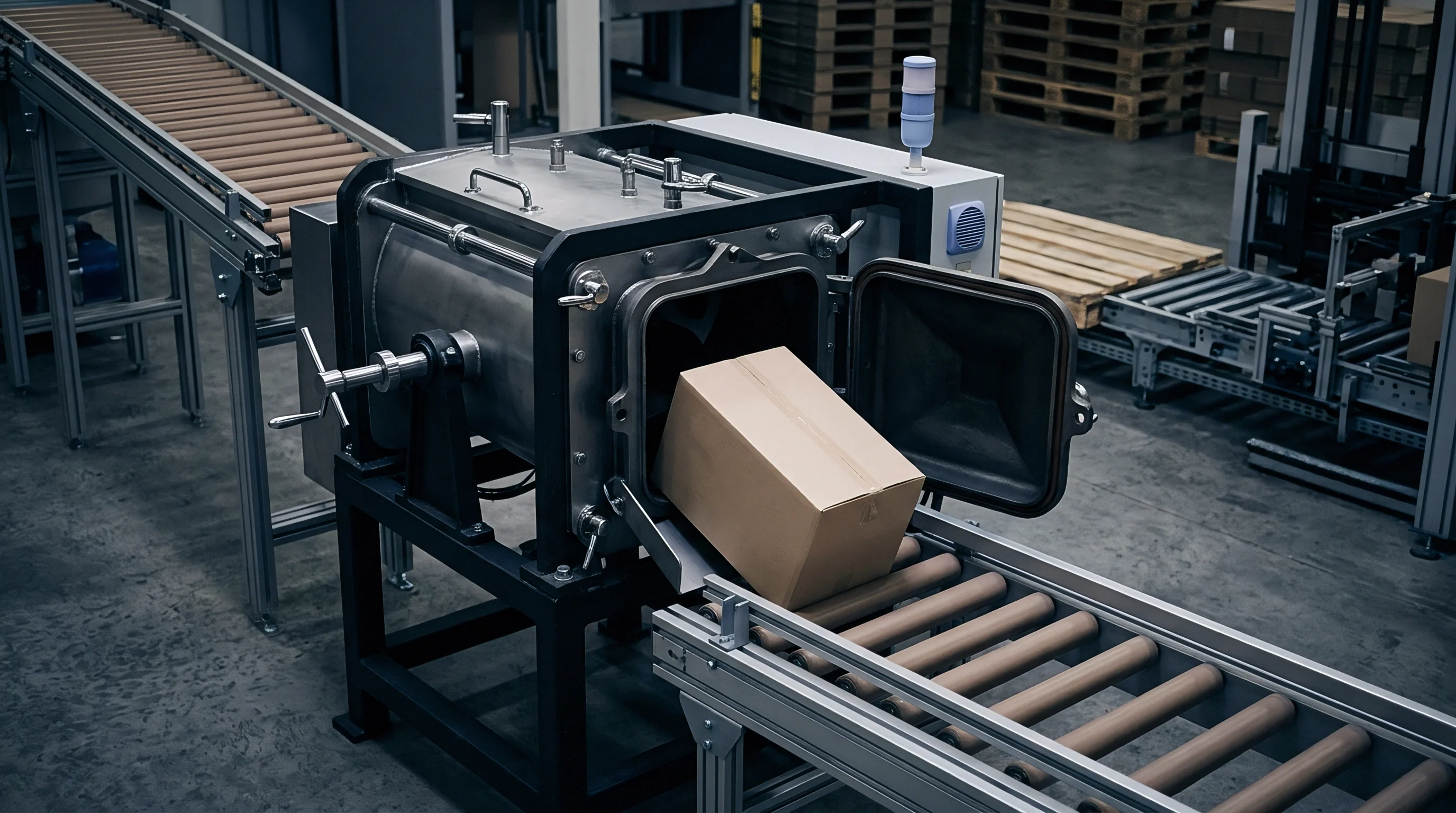
Cardboard packages move along intersecting industrial conveyor belts inside a heavy manufacturing plant with overhead machinery.

Verdict

B2B buyers must audit express spare-parts supply lines immediately to verify that all shipments under 150 euros include full itemized customs declarations to prevent terminal holds.

Signal Acquired from: The Loadstar

Nomenclature

Supply Chain Compliance

Legal Conformity ~ Regulatory adherence framework binds an organization to the laws and standards governing the movement of goods across borders.

Customs Reform

Regulatory Revision ~ Statutory adjustments govern the administrative protocols and documentation requirements mandated by national authorities during the transit of goods across borders.

Customs Clearance

Regulatory Mandate ~ Mandatory border administration represents the formal statutory procedure that authorizes the movement of commercial cargo across sovereign boundaries through documentary verification and fiscal settlement.

Spare Parts Sourcing

Component Procurement ~ Procurement processes identify and acquire replacement components required to maintain or repair industrial equipment and consumer products.

Air Freight Logistics

Modal Management ~ Aviation-based transport systems coordinate the rapid movement of high-value or time-sensitive goods through a network of airports and specialized carriers.

Duty Payment

Revenue Obligation ~ Financial transfers satisfy the mandatory levies imposed by a government on imported commodities based on their value and classification.

Air Cargo Capacity

Flight Allocation ~ Scheduled payload availability defines the total weight and volume permitted for transport by aircraft on specific routes during a set interval.

Import Declaration

Customs Documentation ~ Official paperwork acts as the formal notification to national border authorities regarding goods crossing a state boundary for commercial entry.

De Minimis Threshold

Exemption Ceiling ~ Duty liability for low value imported goods remains suspended when the customs valuation stays beneath a strictly defined fiscal limit.

Customs Compliance

Regulatory Duty ~ National border authorities mandate a structural adherence to import and export statutes which dictates the legal movement of goods across sovereign lines while ensuring the collection of accurate duties.

Express Parcel

Service Classification ~ Logistics service tiers for the transport of small shipments prioritize speed and door to door tracking over the lowest possible cost.

Logistics Bottleneck

Flow Constraint ~ Points of congestion occur within a supply chain when the volume of goods exceeds the physical or administrative processing capacity of a specific node.

What the firm knows, published

Expertise is a utility, not a secret. sentiention™ publishes its working knowledge as open reference: intelligence layer covering the materials it sources, the markets it enters, and the reference that serves both.