Japan Galvanized Steel Duties Lift Sourcing Costs for Industrial Buyers

New duties of up to 55.3 percent on Chinese and Korean galvanized steel will raise sheet and coil acquisition costs in Japan.

28.08.26 2 min

Briefing

The Japanese government has imposed provisional anti-dumping duties ranging from 29.2 percent to 55.3 percent on imports of hot-dipped galvanized steel coil, sheet, and strip from China and South Korea, effective August 8, 2026. The tariffs cover low-cost, corrosion-resistant steel used across construction, appliance, and automotive manufacturing, forcing procurement teams to adjust regional sourcing or absorb higher costs. In effect through December 7, 2026 while the Ministry of Economy, Trade and Industry completes its review, the measures require upfront cash deposits on incoming shipments ~ disrupting trade routes that supplied Japanese fabricators with steel priced up to 69 percent below Chinese and Korean domestic levels.
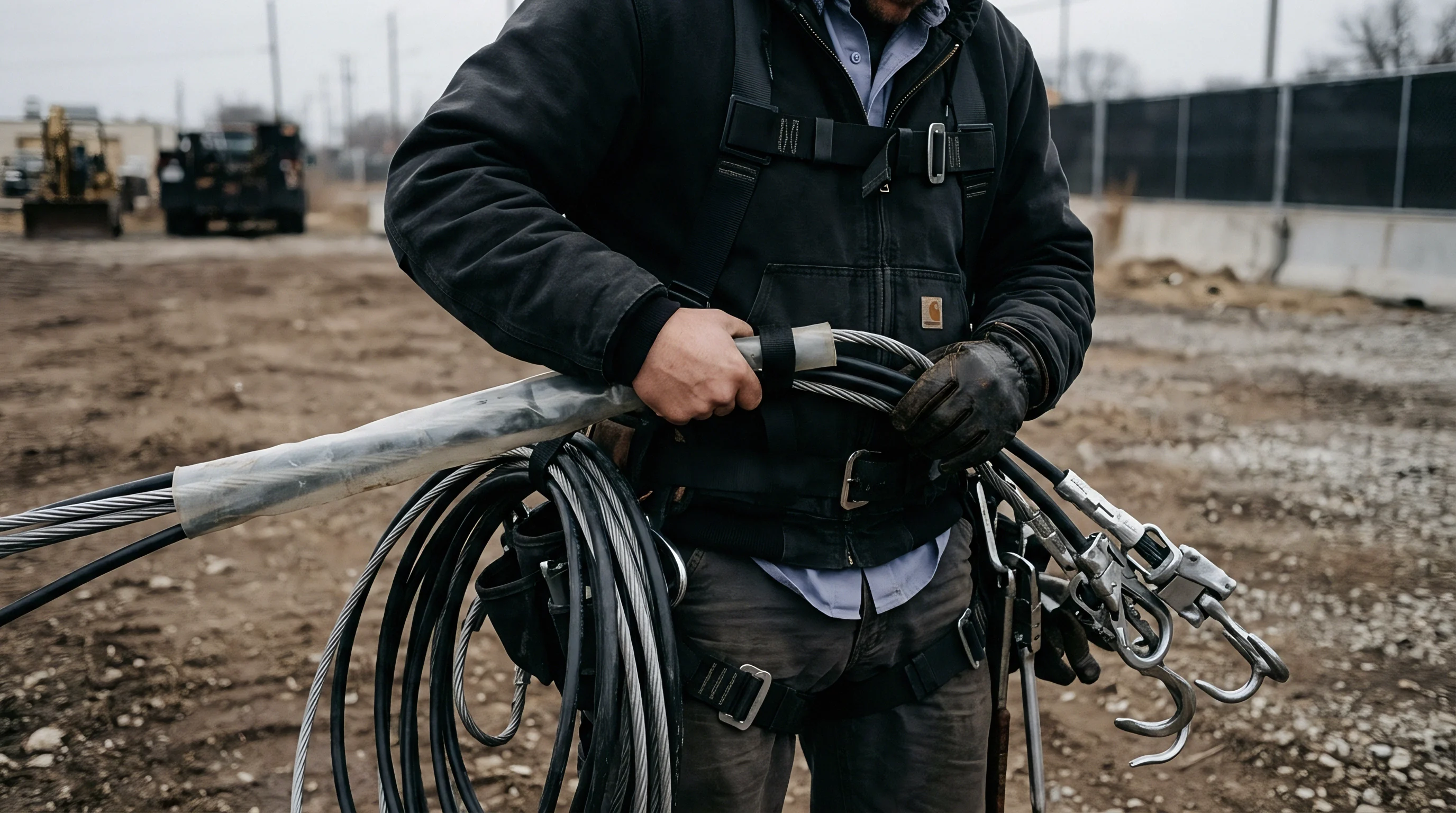
An industrial worker wearing protective gear organizes heavy metal wire cables at an active outdoor construction site.

Context

Regional purchasing offices had assumed Japan would keep its market open to Asian steel imports to help local manufacturers cushion high energy costs. Buyers were largely monitoring the price gap between Japanese domestic steel and lower-cost regional imports, waiting to see how long domestic mills would tolerate discounted import volumes before seeking official protection.

Galvanized steel rolling shutter mechanisms and heavy cast iron pulleys rest on a dark industrial floor inside a concrete facility.

Analysis

A investigation by the Ministry of Economy, Trade and Industry found imports from South Korea and China entering Japan at prices up to 43 percent and 69 percent below domestic market levels. The Cabinet Order requires Japanese importers to post cash deposits for provisional duties at customs before shipments are released. That requirement ties up liquidity immediately, raising landed costs and leaving buyers to choose between pricier regional alternatives or domestic mills with stronger pricing leverage. Downstream, contracting has already slowed as distributors work to add terms shifting duty liabilities to buyers.

Galvanized and stainless steel formed sheet metal components display precise corner fabrication inside a manufacturing production facility.

Parameters

  • Provisional tariff range ~ A levy from 29.2 percent to 55.3 percent applies to all imports of galvanized steel from the target countries.
  • Effective period ~ The provisional cash deposit requirement runs from August 8, 2026, through December 7, 2026.
  • Investigation deadline ~ December 12, 2026, is the extended date for the final anti-dumping determination.
  • Peak dumping margin ~ Chinese steel imports were discounted up to 69 percent relative to domestic market pricing.

Rusted hydraulic lift arm components on industrial cargo handling machinery stand inside a metal shipping container storage depot.

Outlook

Steel supply in Japan will tighten over the coming weeks as buyers shift away from imports. With foreign competition muted, domestic mills are expected to seek higher prices during autumn contract negotiations. Sourcing executives will need to monitor the trade ministry’s final ruling by December 12, 2026, which will decide whether these provisional tariffs transition into multi-year anti-dumping duties.
A digital render shows an industrial crane lifting a model cargo vessel between towering steel shipping containers inside a dark terminal warehouse.

Verdict

Industrial buyers must immediately qualify alternative domestic steel sources in Japan to avoid price spikes and cash flow disruptions.

Nomenclature

Flat Rolled Steel Procurement

Procurement Scope ~ Industrial acquisition processes govern the purchase of sheet steel produced through hot or cold rolling mills.

Asian Steel Supply Chains

Logistics Architecture ~ Production networks and transport corridors that move raw metal from major mills to global manufacturing hubs dictate the flow of industrial materials.

Trade Policy Enforcement

Legal Scope ~ Regulatory governance defines trade policy enforcement through statutory mechanisms that penalize unfair import practices and foreign subsidy programs.

Galvanized Steel Tariffs

Regulatory Charge ~ Import duties applied by sovereign governments on zinc-coated metal products protect domestic manufacturing sectors from foreign competition.

Construction Metal Sourcing

Metal Acquisition ~ Industrial procurement of structural steel and aluminum structural elements involves complex logistics and multi-tier supplier evaluation, governing the acquisition of raw materials for infrastructure projects and commercial buildings.

Japanese Trade Remedies

Statutory Framework ~ Protective trade legislation empowers domestic authorities to impose additional tariffs against dumped or subsidized foreign imports.

Anti-Dumping Duties

Regulatory Scope ~ Government intervention measures are applied to foreign goods sold below their fair market value to prevent injury to domestic industries.

Sheet and Coil Pricing

Valuation Mechanism ~ Market benchmarks for flat-rolled steel products establish the cost basis for high-volume metal transactions.

Steel Import Restrictions

Regulatory Barrier ~ Border control authorities mandate specific quotas or tariff schedules upon foreign metal products to protect domestic production capacity from sudden price fluctuations.

Industrial Metal Procurement

Sourcing Strategy ~ Strategic supply chain operations secure raw non-ferrous and ferrous metals required for manufacturing, construction, and infrastructure projects.

Corrosion Resistant Steel

Material Classification ~ Alloyed metallic materials formulated with chromium, nickel, or other protective elements provide enhanced durability in highly oxidizing or humid industrial environments.

Customs Duty Risk

Fiscal Vulnerability ~ Financial exposure emerges when imported goods encounter shifts in tariff classification or changes in valuation methodologies that retroactively increase tax liabilities.

What the firm knows, published

Expertise is a utility, not a secret. sentiention™ publishes its working knowledge as open reference: intelligence layer covering the materials it sources, the markets it enters, and the reference that serves both.