Federal Pipeline Safety Rule Confirms Updated Steel Pipe Sourcing Standards

Regulators confirmed the 2024 ASTM steel pipe standard takes effect in 2027, requiring updated procurement specifications.


30.08.26 2 min

Briefing

The Pipeline and Hazardous Materials Safety Administration confirmed that the updated ASTM A53/A53M-24 safety standard for steel pipe will take effect on January 1, 2027. Industrial procurement teams must align ordering specifications with the 2024 edition for all new federal pipeline projects. Buyers of steel pipe need to ensure that manufacturing partners update testing and materials documentation to reflect the new requirements. The revised regulation dictates safety compliance across steel pipes ranging from NPS 1/8 to NPS 26.

A total station instrument stands on a wooden tripod beside machined metal pipe assemblies resting on wooden pallets inside an industrial control room.

Context

Industrial buyers were tracking whether the regulator would delay implementing updated industry specifications following petitions from trade groups. The central question for the procurement desk was whether pipeline steel purchased under the older 2022 edition of the ASTM standard would remain compliant for upcoming infrastructure projects.
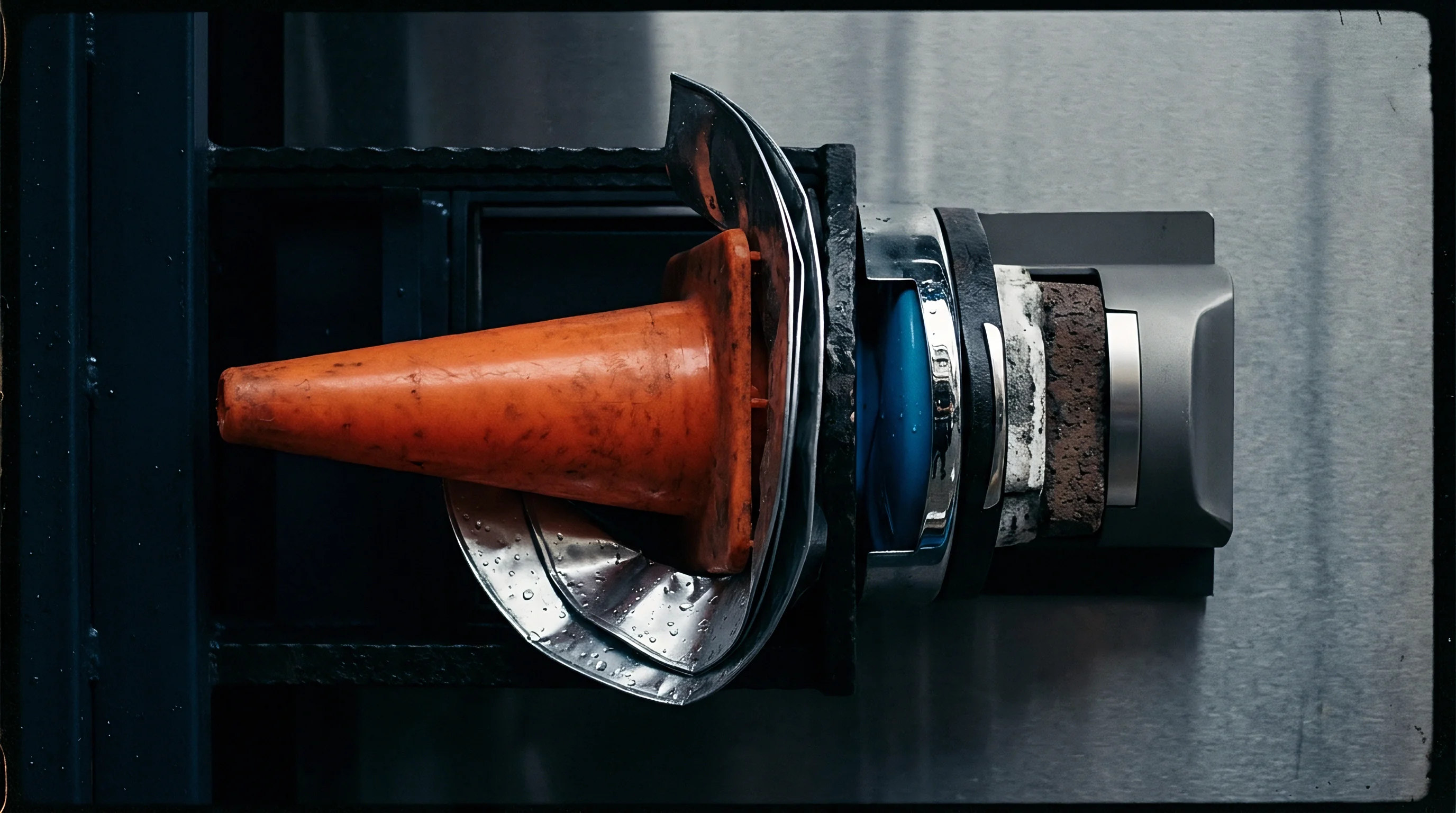
An orange plastic safety cone undergoes mechanical compression inside an industrial testing apparatus during product durability evaluations.

Analysis

The updated 2024 standard incorporates revised technical rules for steel properties, welding, and zinc coating. When the regulator incorporates a standard by reference, it becomes the legal baseline. If a buyer places an order under the 2022 edition, the materials will fail regulatory inspection during construction. Suppliers must adjust steel mill quality control to meet 2024 criteria, driving longer production lead times during recalibration and requiring renegotiated supply agreements. Using the older standard means the shipment cannot clear regulatory inspection for federal pipeline projects.

A stainless steel high pressure clamp secures a blue nitrile glove against a central vertical metal cylinder in a controlled environment.

Parameters

  • Standard Edition ~ The March 1, 2024 edition of ASTM A53/A53M is the new mandatory safety standard.
  • Effective Date ~ January 1, 2027, when the direct final rule becomes officially enforceable.
  • Scope of Sizes ~ Covers welded black and hot-dipped galvanized steel pipe in nominal sizes NPS 1/8 to NPS 26.
  • Governing Regulations ~ Replaces older 2022 standard references in 49 CFR parts 192 and 195.

A manual hand truck holds metallic calibration weights and a raw crystalline mineral block on a metal shelf within an industrial warehouse storage facility.

Outlook

In coming quarters, buyers must audit existing supplier contracts to ensure deliveries scheduled after the target date conform to the 2024 standard. Procurement managers should watch Q4 steel mill contract negotiations, as manufacturers price updated quality control requirements into baseline quotes.

A gloved technician examines a heavy duty forged steel lifting hook with a magnifying lens inside a controlled environment testing lab.

Verdict

Buyers must update all future steel pipe orders to specify compliance with the ASTM A53/A53M-24 standard to prevent regulatory delays in 2027.

Signal Acquired from: Federal Register

Nomenclature

Quality Control Testing

Inspection Protocol ~ Manufacturing facilities deploy quality control testing on a scheduled interval to verify that physical and chemical properties conform to established product specifications before shipment occurs.

Federal Transportation Rules

Statutory Compliance ~ Regulatory authority over commercial transit creates a framework for operators to follow.

Pipeline Safety Compliance

Regulatory Oversight ~ Operational integrity relies on the adherence to established technical protocols that govern the physical transport of hydrocarbons or hazardous materials through fixed infrastructure.

Carbon Steel Specifications

Material Classification ~ Metallurgical requirements define the chemical composition and mechanical properties permitted for iron-based alloys containing primarily iron and carbon.

Supply Chain Compliance

Legal Conformity ~ Regulatory adherence framework binds an organization to the laws and standards governing the movement of goods across borders.

Steel Pipe Sourcing

Procurement Logic ~ Metal conduit acquisition constitutes a specialized logistical function involving the assessment of mill capacity, metallurgical grades, and transportation corridors to satisfy infrastructure requirements.

ASTM Material Standards

Engineering Specification ~ Technical consensus documents provide a framework for the physical and chemical properties of metals, plastics, ceramics, and composites used in industrial production.

Industrial Metal Procurement

Sourcing Strategy ~ Strategic supply chain operations secure raw non-ferrous and ferrous metals required for manufacturing, construction, and infrastructure projects.

Technical Standards Update

Revision Cycle ~ Formal modifications to existing engineering or safety protocols reflect improvements in technology and changes in industry best practices.

Energy Infrastructure Materials

Supply Composition ~ Heavy industry purchases energy infrastructure materials under strict mechanical specifications and alloying thresholds that dictate the physical resilience of high-pressure pipelines, turbine housings, and offshore transformer platforms.

What the firm knows, published

Expertise is a utility, not a secret. sentiention™ publishes its working knowledge as open reference: intelligence layer covering the materials it sources, the markets it enters, and the reference that serves both.