Hormuz Conflict Forces Jebel Ali Volume Plunge Altering Cargo Routing
Dubai's Jebel Ali port fell to 32nd in global container rankings, forcing buyers to use costly overland and feeder corridors.

Briefing
Dubai’s Jebel Ali port fell from 10th to 32nd place in global container rankings during the first half of 2026. The drop is forcing supply chain managers off standard Persian Gulf sea routes and onto costly overland detours and new east coast terminals. With ongoing conflict around the Strait of Hormuz choking off traffic, marine insurance and spot bookings through the strait have become untenable for most carriers. Procurement desks now have to build in longer lead times and higher handling fees across regional shipments. In the second quarter of 2026, Jebel Ali’s container throughput collapsed by 90 percent year-on-year to just 374,000 twenty-foot equivalent units.

Context
Procurement departments had long assumed Jebel Ali would remain the Middle East’s primary transshipment hub. Shipping desks relied on it to consolidate and distribute cargo across the Persian Gulf, viewing risk almost entirely through the lens of Red Sea and Suez Canal diversions. The main question for buyers was whether rising tensions might prompt temporary surcharges or short transit delays ~ they were budgeting for brief disruptions, not a blockade cutting off the port from major shipping lanes.

Analysis
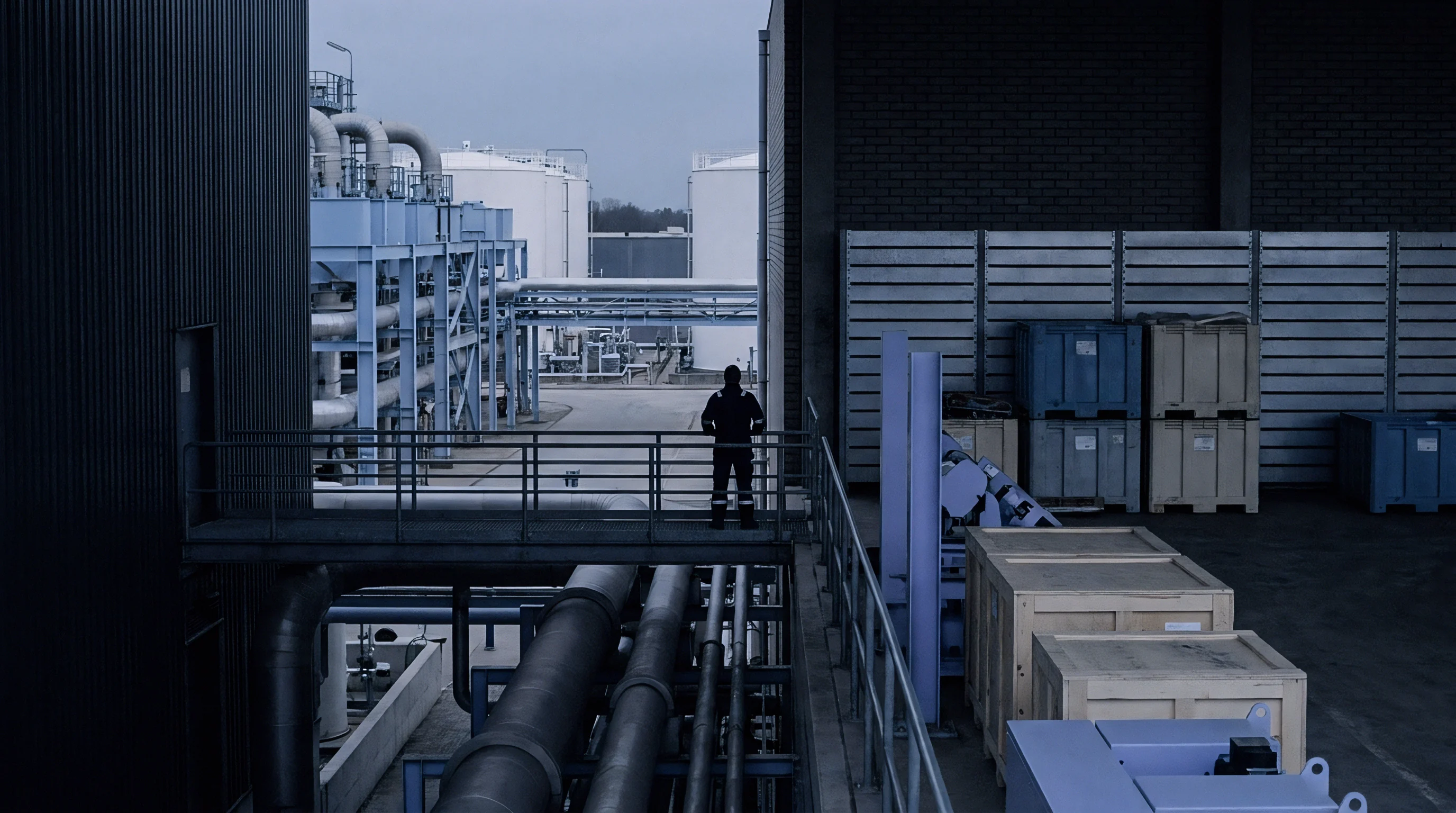
The conflict with Iran throttled vessel traffic through the Strait of Hormuz starting in March 2026. Because Jebel Ali sits deep inside the Persian Gulf, ships have to pass through that single choke point to reach it. Once the strait became an active conflict zone, carriers shifted their rotations to avoid ship seizures and prohibitive insurance rates. The port itself remains functional, but without access for ocean liners skipping the Gulf, it is effectively cut off. Operators began offloading cargo outside the strait at east coast hubs like Fujairah, then trucking it overland to Dubai. That extra handling and reliance on truck routes adds substantial drayage costs and customs friction to every shipment, while capacity limits on land corridors are creating delays of up to ten days.
Parameters
- Global ranking drop ~ Jebel Ali port fell from 10th to 32nd place in Alphaliner’s container port rankings.
- Quarterly throughput decline ~ Jebel Ali’s container volume dropped by over 90 percent year-on-year in the second quarter of 2026 to 374,000 twenty-foot equivalent units.
- First-half volume ~ The port processed 3.14 million twenty-foot equivalent units in the first half of 2026, down from 7.77 million in the first half of 2025.
- Abu Dhabi impact ~ Abu Dhabi’s Khalifa Port lost over 50 percent of its volume, dropping out of the global top 50 rankings.
- Overland corridor traffic ~ Operators have rerouted 500,000 twenty-foot equivalent units through overland road and rail corridors since March 2026 to bypass the strait.

Outlook
Buyers should expect elevated freight rates and longer transport times across the Middle East through the end of 2026. Sourcing departments will want to track progress on the fifty-year terminal development project in Fujairah on the UAE’s east coast, which is designed to add 2.5 million twenty-foot equivalent units of bypass capacity. Monthly volume numbers out of Fujairah will show whether the region is genuinely shifting to a permanent bypass corridor or remains tied to the status of the waterway.
Verdict
Procurement teams should immediately budget for higher inland drayage surcharges and add up to ten days to lead times for any cargo moving through the Persian Gulf.