Singapore Terminal Congestion Forces Transshipment Delays and New Carrier Surcharges

Persistent yard bottlenecks in Singapore delay cargo transfers and add costs to indirect Asia-Europe shipments.
30.08.26 2 min

Briefing

Vessel bunching and high yard utilization at the Port of Singapore are forcing ocean carriers to implement congestion surcharges and drop scheduled port calls. For buyers relying on indirect routings, the disruption increases the risk of missed connections and extends total transit times. Yard occupancy in Singapore has exceeded practical limits, driving carriers to divert ships to secondary regional hubs like Port Klang or Tanjung Pelepas. Cargo transshipping through Singapore now faces an average delay of seven days.
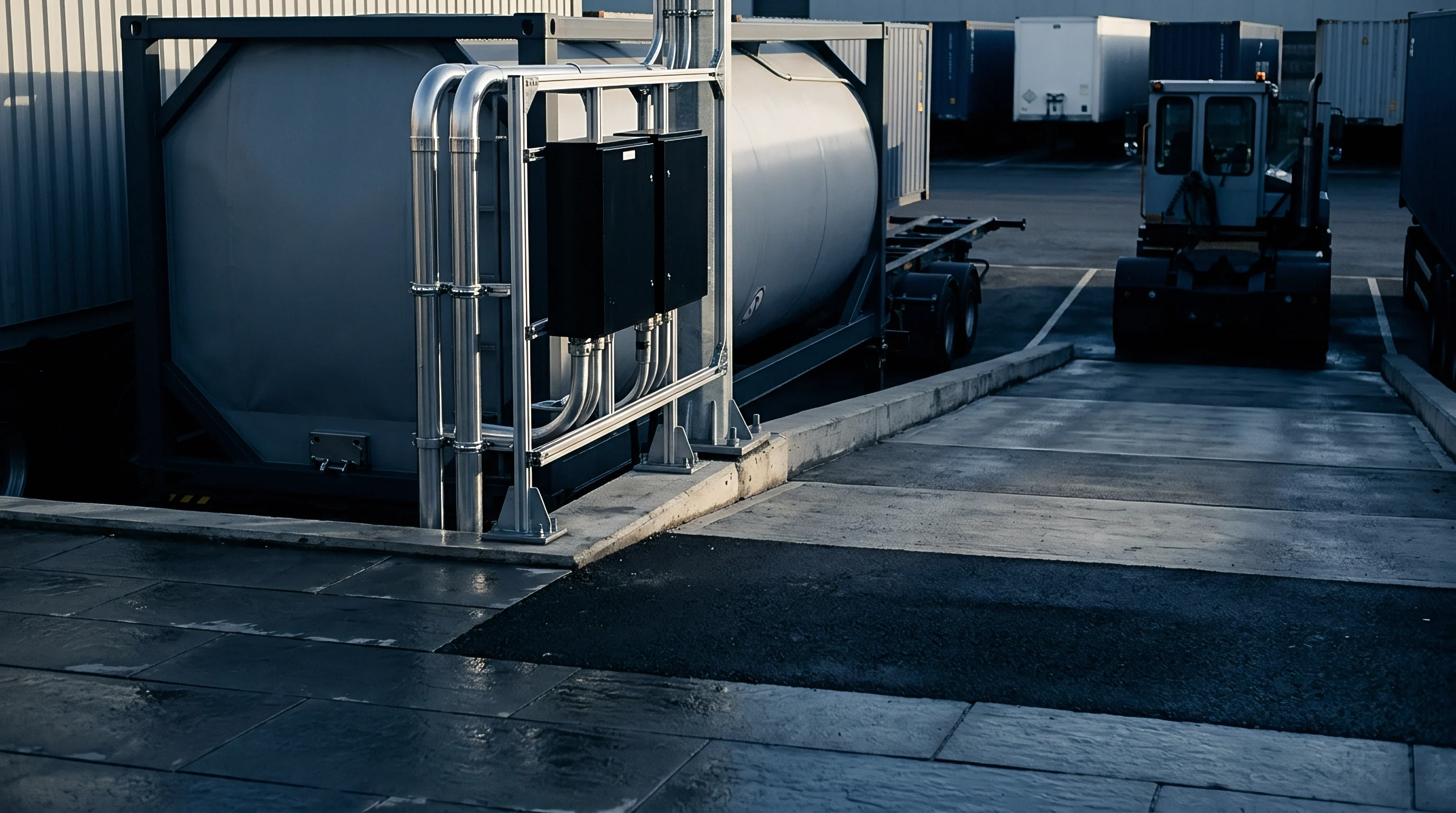
A cylindrical stainless steel intermodal tank container rests on a trailer chassis beside a steel piping manifold within an industrial freight terminal.

Context

Procurement teams expected Singapore to absorb supply chain pressure from Cape of Good Hope diversions, hoping stable schedules would allow a return to leaner inventory cycles. The main concern was whether major hubs could handle the extra volume without generating backlogs across regional networks.

An industrial yard holds a secured package with strapping bands containing a framed photograph and metal equipment resting in a dirt mound.

Analysis

The bottleneck stems from vessels arriving in clusters rather than on staggered schedules. Diversions around southern Africa cause ships to reach the port simultaneously, overwhelming the crane capacity and yard space needed to stage containers for feeder ships. When yards remain full, incoming vessels sit at anchor waiting for berth space, burning fuel and tying up equipment. Carriers are passing these operational costs to buyers through congestion surcharges.
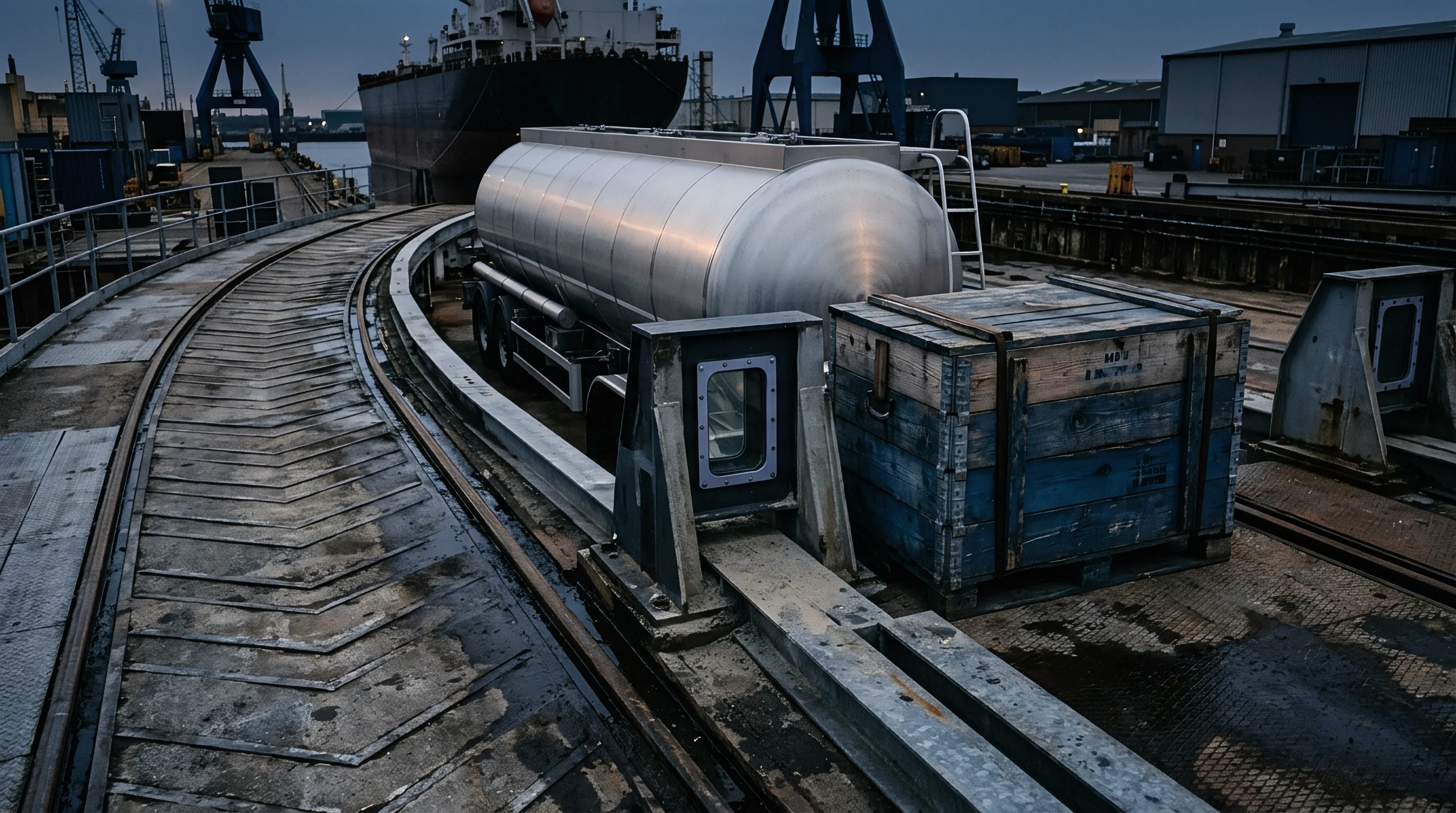
A stainless steel tanker and wooden cargo crate rest on industrial rail tracks inside a coastal shipping terminal during evening twilight.

Parameters

  • Average Delay ~ Seven days is the typical wait for a vessel berth or transshipment window.
  • Yard Utilization ~ Ninety percent marks the threshold where restricted container movement sharply reduces terminal efficiency.
  • Congestion Surcharge ~ Five hundred dollars per container is the baseline fee introduced by major carriers to offset operational losses.
  • Vessel Waiting Time ~ Three days is the current average duration a container ship remains anchored outside the terminal.
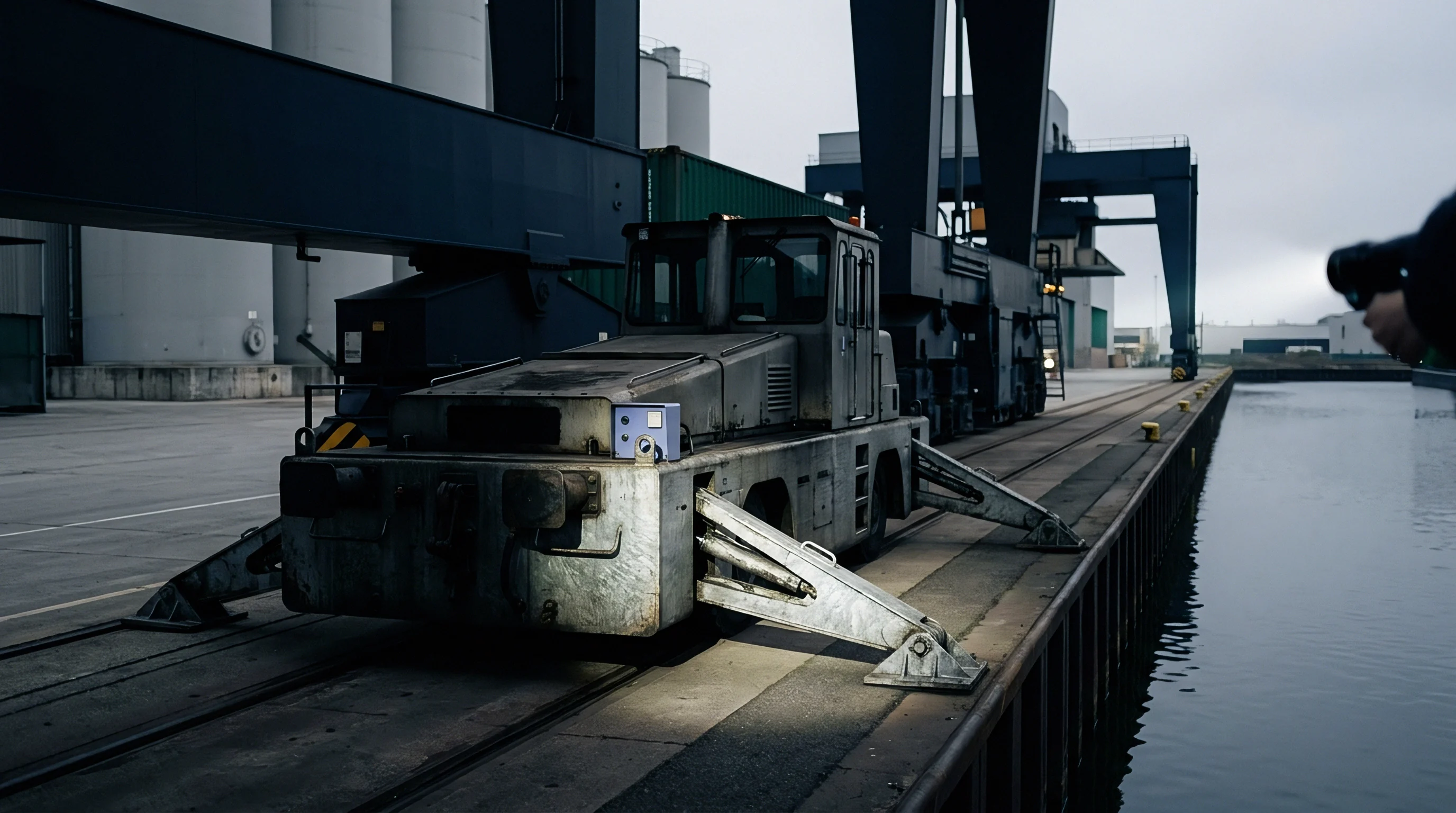
A heavy industrial rail shunting vehicle rests on tracks beside a concrete quay wall and an urban waterway at a freight terminal.

Outlook

Terminal congestion will persist until carrier schedules align with terminal berth windows. Buyers should monitor schedule reliability data from the major ocean alliances. Lower percentage scores indicate more missed berth slots and prolonged backlogs, while a recovery above fifty percent will signal that throughput is returning to manageable levels.
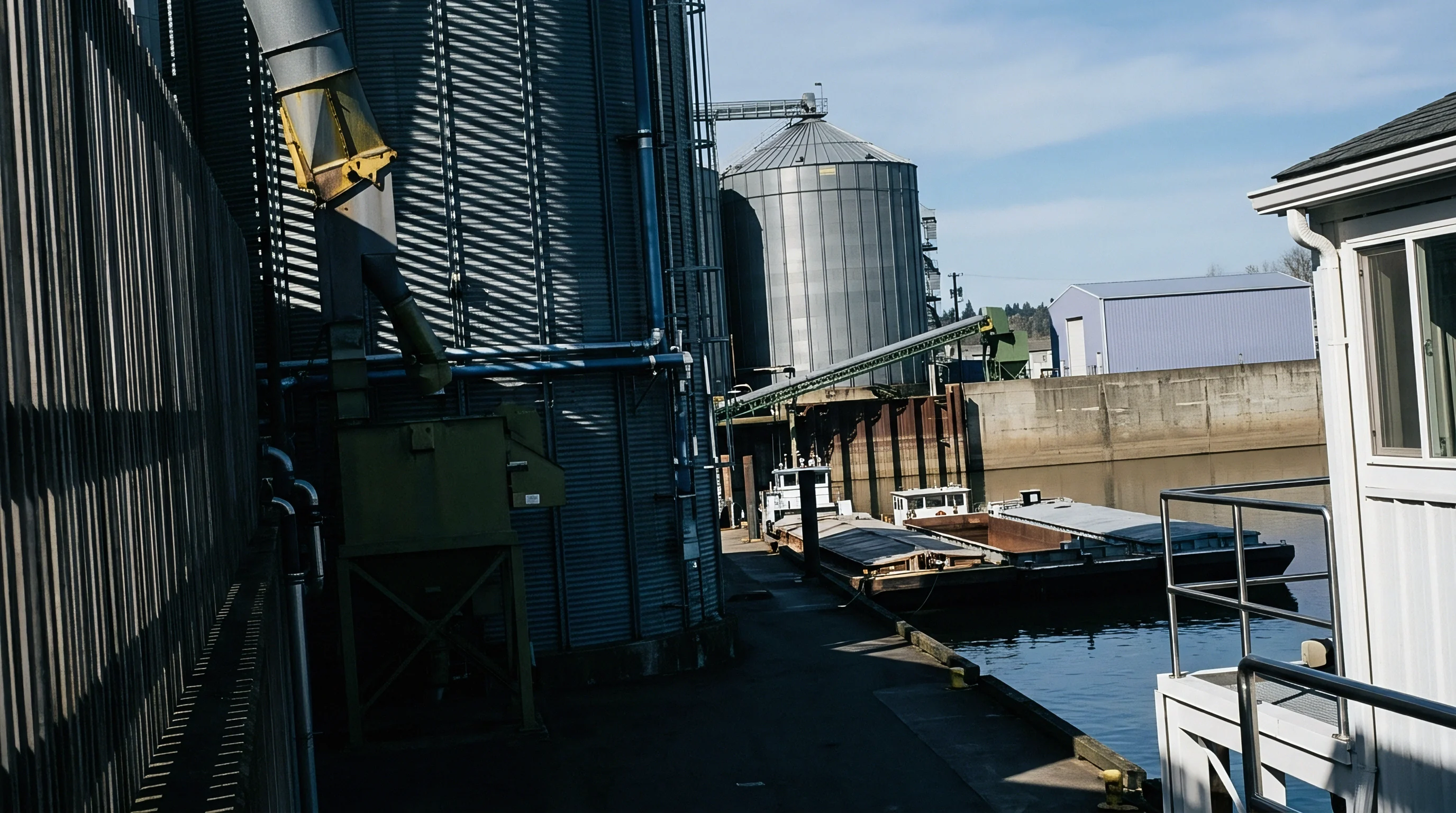
Corrugated steel grain silos and conveyors stand beside docked transport barges on an industrial waterway terminal.

Verdict

Expect higher shipping costs and erratic lead times for all Asia-Europe and intra-Asia orders transiting through major Southeast Asian hubs.

Signal Acquired from: Lloyd’s List

Nomenclature

Hub Port Operations

Transshipment Architecture ~ Deep-water maritime facilities manage the high-volume exchange of containerized cargo between intercontinental mainline carriers and regional feeder networks.

Intra-Asia Trade

Regional Circulation ~ Commercial freight corridors link Pacific Rim economies through dense bilateral and multilateral shipping, rail, and air logistics links.

Supply Chain Visibility

Data Transparency ~ Tracking material movement across international transit points allows firms to monitor supply chain visibility through real time digital logs.

Maritime Transit Time

Route Duration ~ Ocean carriers calculate maritime transit time by measuring the exact number of days a container vessel takes from berth departure at origin to terminal arrival at destination.

Lead Time Fluctuation

Supply Variance ~ Unpredictable deviation in the total interval between the placement of an order and the receipt of goods defines lead time fluctuation.

Yard Utilization

Operational Capacity ~ Storage density calculation governs yard utilization across intermodal terminals and distribution hubs.

Carrier Schedule Reliability

Performance Measurement ~ Global shipping logistics depends on the percentage of maritime vessels arriving at scheduled port terminals within a pre-defined window of time.

Ocean Freight Surcharge

Rate Adjustment ~ Bunker adjustment factors and peak season increments operate as an ocean freight surcharge when carriers alter baseline tariffs to recover volatile operating expenses.

Transshipment Bottleneck

Operational Velocity ~ Cargo accumulation at an intermodal transfer point creates a transshipment bottleneck when container dwell times exceed terminal handling capacities.

Container Terminal Capacity

Yard Allocation ~ Maritime gateways operate under physical and operational limits that determine the maximum volume of twenty-foot equivalent units handled within a given timeframe.

What the firm knows, published

Expertise is a utility, not a secret. sentiention™ publishes its working knowledge as open reference: intelligence layer covering the materials it sources, the markets it enters, and the reference that serves both.