US Exemption from HON Rule Emissions Delays Chemical Supply Squeezes

Extended emissions compliance deadlines for chemical plants avert immediate supply squeezes on essential synthetic materials.


30.08.26 2 min

Briefing

Presidential Proclamation 11041 grants synthetic organic chemical manufacturers a two-year reprieve from the Environmental Protection Agency’s HON Rule, keeping key feedstock supplies steady in the near term. Pushing back the July 15, 2026 deadline for continuous fenceline monitoring heads off potential plant closures and immediate capital outlays. Sourcing teams buying resins, solvents, and polymers get some pricing stability while 25 domestic chemical facilities hold off on expensive retrofits and continue operating on their existing baselines.
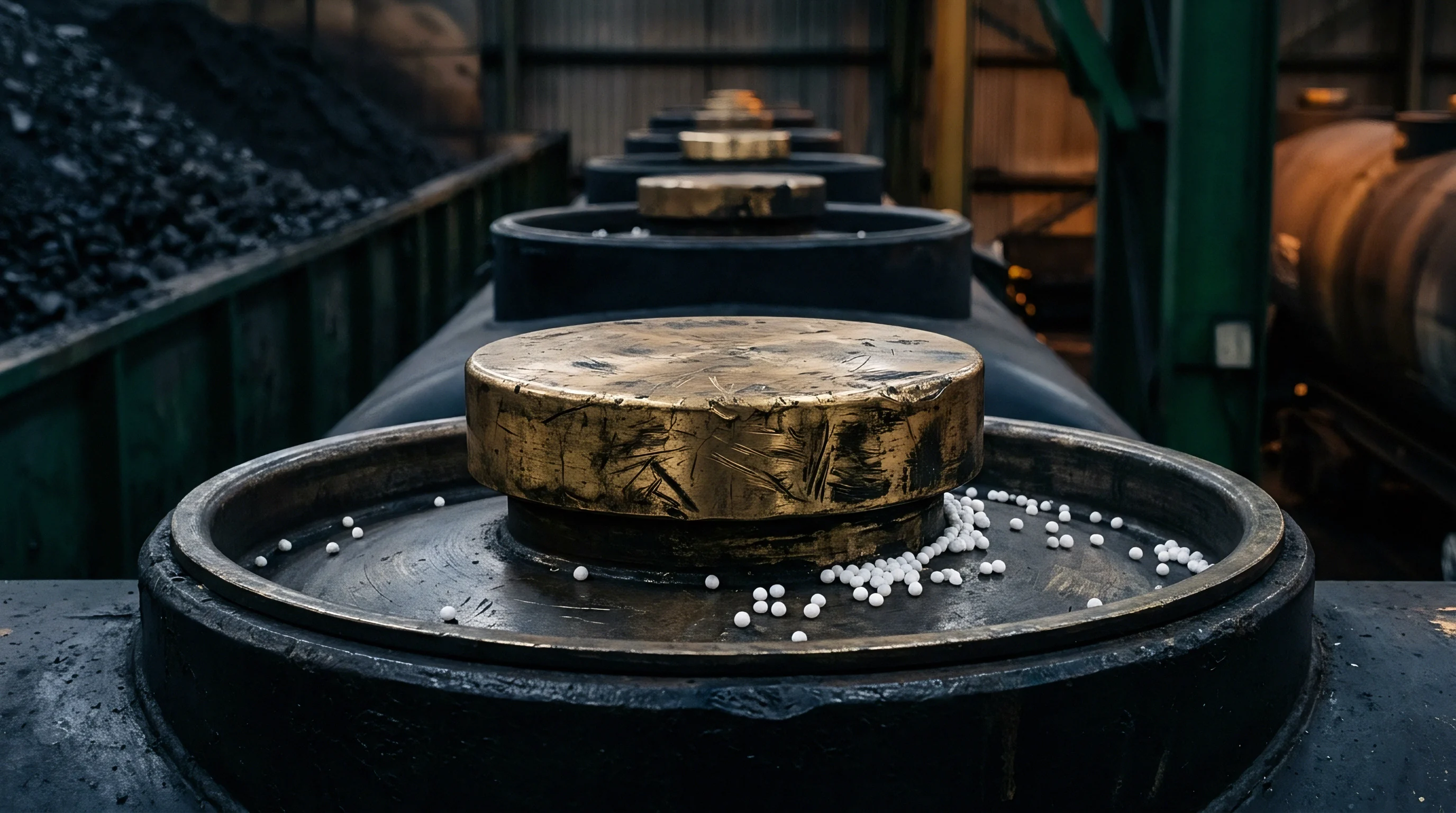
White polymer pellets scatter on the metallic hatches of bulk cargo tank cars parked inside an industrial distribution terminal.

Context

Heading into the third quarter of 2026, procurement desks had been bracing for price spikes and longer lead times across organic chemicals. Downstream buyers ~ especially in resins and semiconductor inputs ~ faced real supply bottlenecks as the deadline to monitor and contain hazardous emissions drew close. Many teams had already started vetting backup suppliers, anticipating that older domestic units would simply idle rather than fund multi-million-dollar upgrades on a tight schedule.

A white folded container and brass couplings rest beside a vertical metal guide post feeding a dark polymer sheet across an industrial room.

Analysis

Meeting the revised HON Rule meant substantial capital work: installing fenceline monitoring systems and upgrading leak-detection gear to trace fugitive emissions of chemicals like ethylene oxide and benzene. Completing that work on time threatened to overwhelm specialized contractors and drive up capital expenditures that producers planned to pass down through contract pricing. By invoking national security powers, the proclamation gives plants breathing room to run existing equipment and maintain output. Buyers can secure synthetic organics and resins without taking on immediate regulatory surcharges, pushing compliance costs out of current purchase orders and into later capital cycles.

A metal storage box secured with straps sits on a concrete floor near a white masonry wall in this industrial digital render.

Parameters

  • Regulatory Measure ~ EPA Hazardous Organic NESHAP (HON) Rule, regulating hazardous air pollutant emissions from synthetic organic chemical plants.
  • Exemption Duration ~ Two years of regulatory relief, extending all HON Rule compliance deadlines.
  • Compliance Deadline ~ July 15, 2026, the original target for mandatory fenceline monitoring.
  • Affected Facilities ~ 25 chemical and industrial facilities covered under the executive action.

Crushed wood biomass rests beside a metal rack holding sequential glass vials filled with dark amber extraction liquids on a tabletop.

Outlook

The delay settles domestic organic chemical prices for the near term, but the legal landscape is volatile. Environmental groups have already challenged the move in court, so Federal Register notices and legal dockets warrant close tracking. Supplier audit programs should continue as planned, given that the requirements were deferred rather than dismantled. That leaves sourcing teams a 24-month window to identify and qualify regional suppliers that already have modern leak detection in place.

Vertical metal and glass sample panels stand beside chemical beakers and precision measuring instruments on a dark production laboratory surface.

Verdict

The extension protects domestic supply and spares buyers immediate price surcharges on synthetic chemicals and resins, but procurement teams have only two years to qualify compliant producers before the mandates return.

Signal Acquired from: Federal Register

Nomenclature

Fenceline Monitoring

Boundary Assessment ~ Surveillance programs at industrial boundaries provide data on fugitive emissions before they migrate into surrounding communities.

Resins

Material Property ~ High-viscosity organic substances derived from natural plant secretions or synthetic petrochemical precursors cure into hard, durable solids.

Regulatory Relief

Policy Adjustment ~ Administrative action provides a reduction in compliance burdens for firms operating within highly monitored industrial sectors.

Compliance Deadline

Enforcement Window ~ Regulatory timelines establish a binding calendar date by which industrial operations must fully implement specified environmental or safety protocols.

Chemical Manufacturing

Production Classification ~ Industrial transformation converts raw material inputs into finished commodity products through controlled thermal, physical, or chemical reaction paths.

Emissions Standards

Regulatory Threshold ~ Legal frameworks mandate specific maximum levels of particulate matter and chemical pollutants allowed in exhaust plumes discharged by internal combustion engines.

Polymers

Polymer Rigidity ~ Industrial supply contracts price synthetic macromolecules according to molecular weight distribution and structural tacticity because these attributes dictate thermal performance under mechanical stress.

Industrial Procurement

Commercial Practice ~ Strategic sourcing, vendor qualification, commercial contracting and direct purchasing supply the capital equipment, raw materials and operational services needed for factory manufacturing.

Synthetic Organic Chemicals

Chemical Production ~ Carbon-based molecules constructed through industrial catalytic or reagent-driven synthesis characterize synthetic organic chemicals.

Hazardous Air Pollutants

Chemical Classification ~ Regulated substances known to cause cancer, reproductive effects or severe environmental damage are subject to strict emission limits under federal clean air laws.

Supply Chain Security

Defense Framework ~ Protection protocols form a barrier around the physical and digital movement of materials across global borders to prevent unauthorized alteration or cargo theft.

What the firm knows, published

Expertise is a utility, not a secret. sentiention™ publishes its working knowledge as open reference: intelligence layer covering the materials it sources, the markets it enters, and the reference that serves both.