US Polystyrene Plant Closure Squeezes Regional Polymer Supply Chains

Buyers of polystyrene must secure alternative supply lines as high-cost US commodity chemical plants face permanent closure.


27.08.26 2 min

Briefing

INEOS Styrolution will permanently shut down its polystyrene plant in Channahon, Illinois, in the fourth quarter of 2026, forcing polymer buyers to adjust regional supply chains. The decision points to a broader shakeout of standalone manufacturing assets across the North American petrochemical industry. Procurement desks will need to pivot toward integrated production hubs or lean more heavily on imports. Closing the facility takes 400,000 tons of annual polystyrene capacity offline.
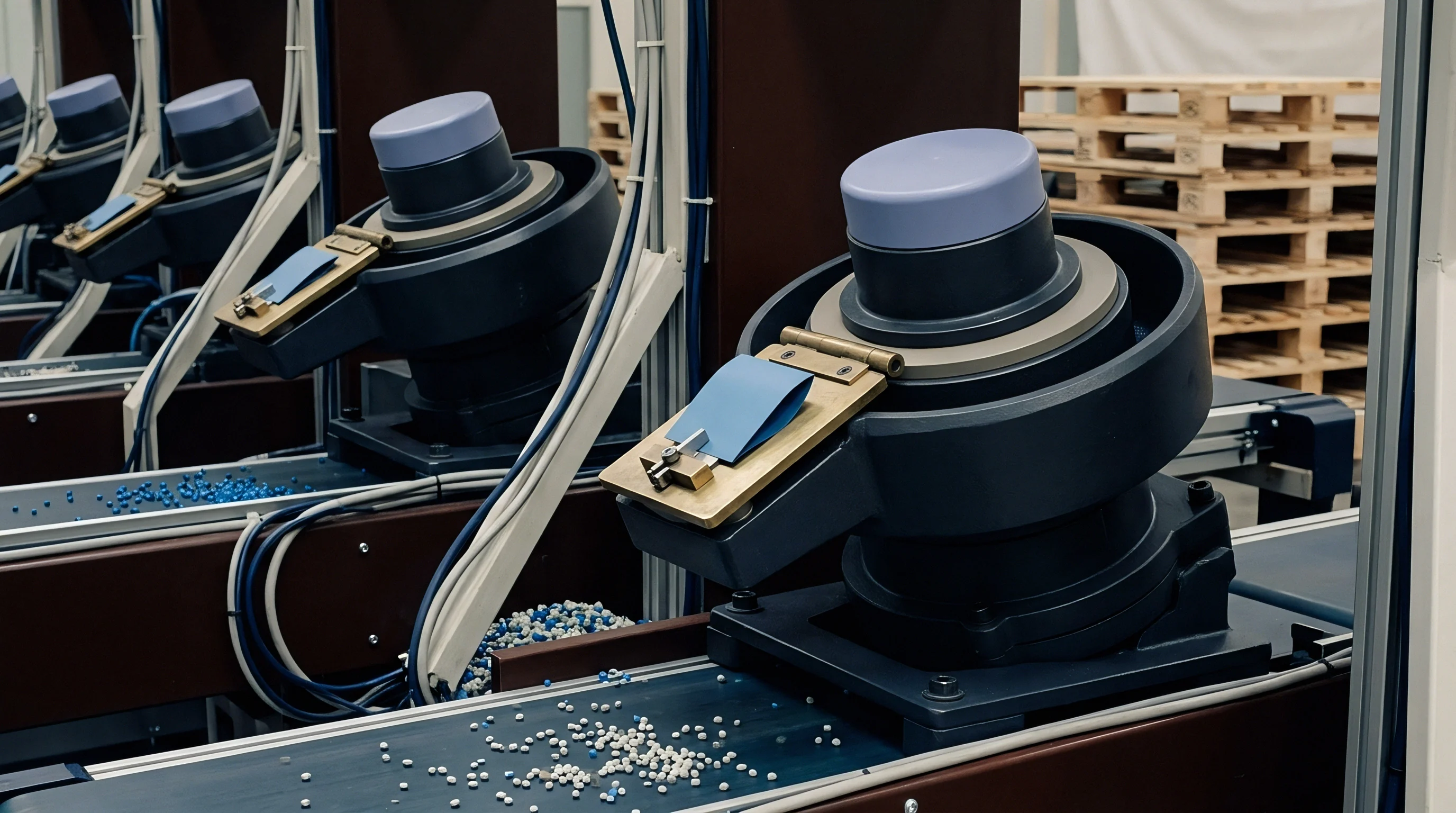
Automated sorting mechanisms operate over a conveyor belt carrying small white and blue polymer pellets through a controlled industrial factory environment.

Context

Polymer procurement teams long operated on the assumption that cheap natural gas would keep US chemical production insulated from broader market shifts. Instead, high domestic energy costs and a sustained global downturn have put severe pressure on non-integrated facilities. The primary question facing buyers was how long producers could keep older, standalone units running.
Industrial mechanical assemblies featuring coiled steel springs and polymer mounts rest securely inside heavy metal containers within a dark logistics facility.

Analysis

The Illinois closure comes down to structural cost issues. Running a standalone polymer unit is like running a bakery that buys pre-packaged flour from a competitor instead of milling its own grain ~ if grain prices jump or bread prices drop, the bakery takes the hit first. The sixty-year-old plant relied on outside suppliers for raw styrene, leaving it exposed to market swings. On top of a global supply surplus weighing on margins worldwide, domestic electricity prices remain elevated compared to hubs in China and the Gulf. That combination makes standalone operational premiums hard to maintain, shifting order books toward newer, fully integrated complexes.

An operator examines a veined marble slab secured inside a perforated transport cassette within an industrial sourcing facility.

Parameters

  • Plant Capacity ~ 400,000 tons of annual polystyrene output removed from the domestic market.
  • Closure Timeline ~ Production shutdown and equipment dismantling to be finalized in the fourth quarter of 2026.
  • Operating History ~ Sixty-six years of continuous operations at the Illinois site, which originally opened in 1960.
  • Cost Premium ~ Domestic electricity prices two to three times higher than those in competing Asian and Middle Eastern production areas.

A mechanical cargo strap restraint system rests on a padded industrial testing surface within a logistics laboratory environment.

Outlook

Over coming quarters, buyers should monitor resin import volumes, particularly from the Middle East and Asia. So long as traffic through the Strait of Hormuz flows normally, cheaper foreign resin will keep pressure on higher-cost Western operations. Procurement teams ought to secure long-term contracts with integrated Gulf Coast suppliers before regional capacity tightens further.
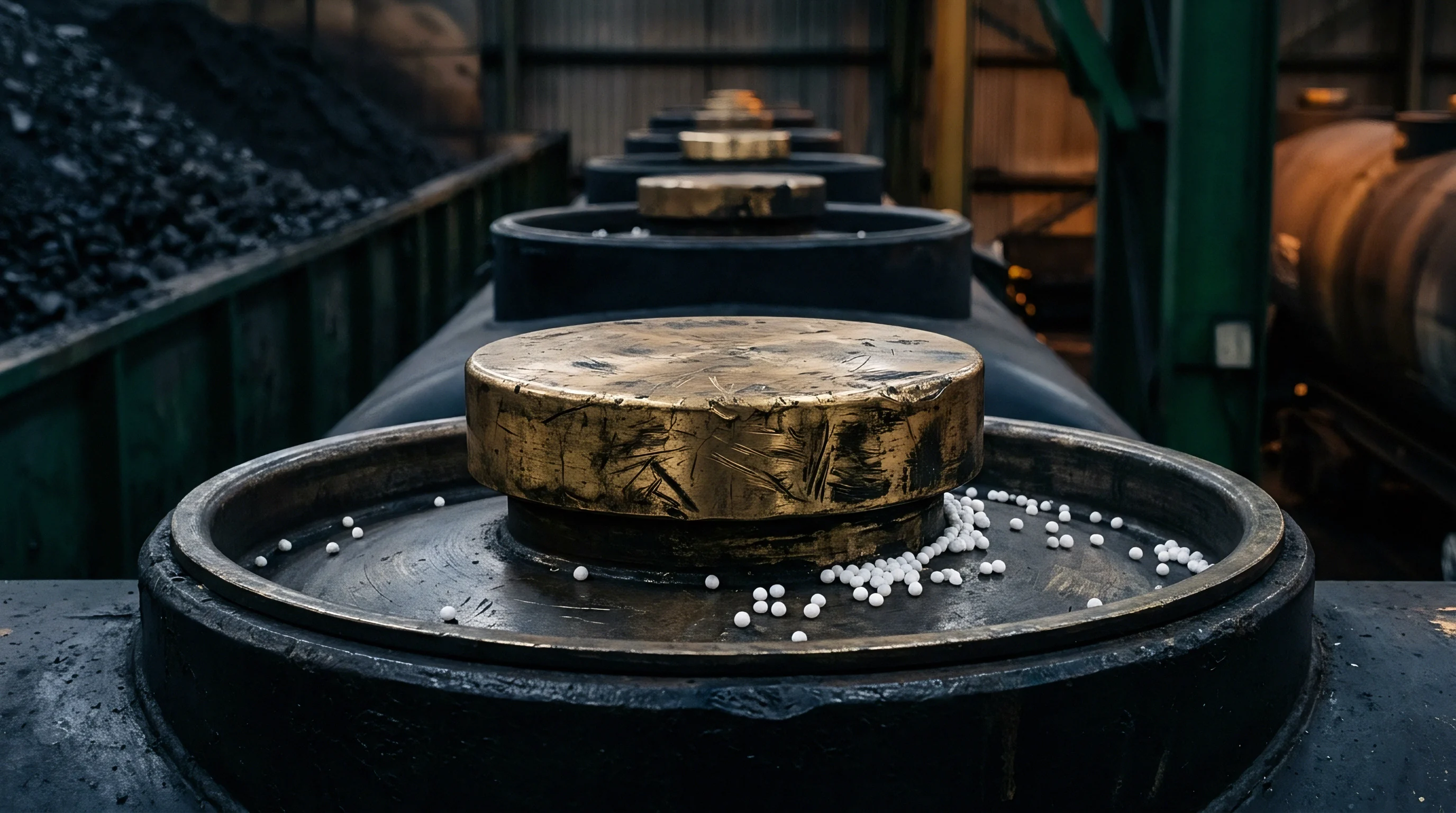
White polymer pellets scatter on the metallic hatches of bulk cargo tank cars parked inside an industrial distribution terminal.

Verdict

Buyers should audit their resin suppliers now and shift away from high-cost standalone plants to secure long-term pricing and supply stability from integrated producers.

Signal Acquired from: ICIS

Nomenclature

Resin Procurement

Polymer Acquisition ~ Industrial feedstock acquisition coordinates supply volumes for high volume manufacturing operations.

North American Sourcing

Regional Procurement ~ Procurement strategy defines the geographic acquisition of raw materials and finished goods from manufacturing facilities located exclusively within the United States, Canada, and Mexico to stabilize logistics networks.

Chemical Plant Operating Costs

Cost Baseline ~ Total industrial expenditure calculations demand a rigorous account of chemical plant operating costs to establish baseline feasibility before commercial production scales upward.

Industrial Plant Closures

Structural Extinction ~ Permanent industrial plant closures designate the complete cessation of operations at a heavy manufacturing facility accompanied by asset liquidation and site decommissioning.

Supplier Risk Assessment

Operational Governance ~ Analytical observation of external production partners determines the potential for financial or delivery disruptions when businesses source components from independent entities.

Polystyrene Production

Polymer Synthesis ~ Industrial operations transform styrene monomer into a solid thermoplastic polymer through chain growth polymerization reactions.

Commodity Chemical Manufacturing

Industrial Output ~ High volume production of basic chemical building blocks relies on continuous flow processing to achieve economies of scale.

Polymer Supply Chains

Resin Flow ~ Thermoplastic resin supply chains designate the industrial routing of intermediate petrochemical inputs from primary crackers through polymerization reactors to compounding facilities.

Petrochemical Capacity

Output Volume ~ Maximum theoretical throughput defines the total quantity of feedstocks a processing unit converts into intermediate chemicals over a specified period.

Plastic Packaging Feedstock

Supply Metric ~ Raw material inputs represent the foundational volume of polymer resins and recycled contents required to sustain the operational capacity of industrial manufacturing lines.

What the firm knows, published

Expertise is a utility, not a secret. sentiention™ publishes its working knowledge as open reference: intelligence layer covering the materials it sources, the markets it enters, and the reference that serves both.