Polymer Synthesis
Industrial operations transform styrene monomer into a solid thermoplastic polymer through chain growth polymerization reactions. Polystyrene production establishes the foundational mass balance for plastic resin markets by converting petroleum-derived chemical precursors into standardized granular feedstock. This chemical conversion follows controlled thermal initiation or catalyst addition to link styrene molecules into high molecular weight chains.
Such pathways define the volumetric output of secondary manufacturing facilities that mold final consumer goods. The physical boundary of this activity begins at the monomer purification stage and terminates at the extrusion of solid pellets. These pellets function as the primary input for thermal shaping processes like injection molding.
Global chemical plants maintain consistent output levels to stabilize resin supply chains.
Capacity Utility
Producers monitor the conversion rates within polymerization reactors to adjust operating speeds based on regional resin inventory data. Polystyrene production requires precise temperature control and pressure management to avoid premature cross-linking of the polymer chains. Operators extract the raw resin from reactors before screening the material for particle size uniformity.
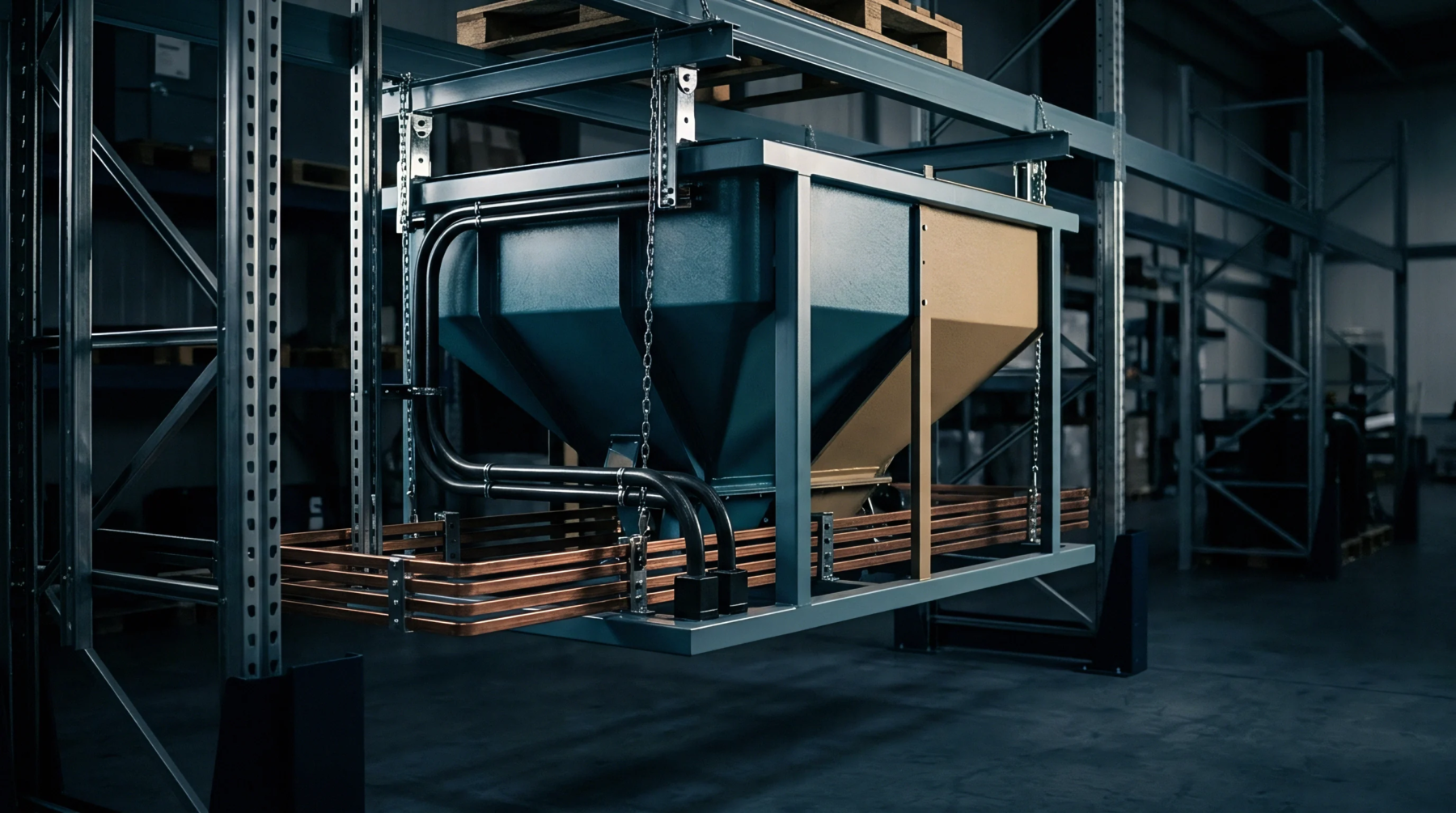
This granular output travels through pneumatic systems into storage silos for distribution to downstream converters. Plants track the throughput of these units to calculate energy costs per kilogram of finished resin. Market demand dictates the volume of styrene monomer procured from upstream refinery sources to feed the reactor cycle.
Fluctuations in raw material prices force producers to alter plant operating schedules to preserve margins on standardized grades of the material. Specialized reactors manage the cooling phase to ensure the final product retains specific density and structural integrity for industrial usage. Such technical parameters determine the grade classification of the resin sold on international markets.
Feedstock Dependency
Global trade flows rely on the availability of pure benzene and ethylene to maintain steady volumes. Polystyrene production functions as the downstream recipient of these hydrocarbon precursors that link directly to crude oil market pricing. Logistics managers calculate the availability of these precursors through regional refinery output data to predict resin supply stability for packaging sectors.
Large scale producers hedge the costs of these precursors to mitigate price volatility in the resin market. Trade flow data shows that resin plants prioritize the use of high purity styrene monomer to keep quality consistent across disparate shipping routes. This chemical chain links global refining infrastructure to the physical delivery of solid plastic goods at the point of sale.
Market participants utilize these physical constraints to set long term supply contracts for plastic materials. Resin output depends entirely on the stability of this chemical feed chain.