Northvolt Scales Back Swedish Battery Production to Conserve Cash

Northvolt limits production and halts expansions in Sweden to manage costs as EV supply chains rebalance.
28.08.26 1 min

Briefing

Northvolt is scaling back Swedish operations and shelving near-term expansion to concentrate on core production. The retreat interrupts Europe’s push to onshore battery manufacturing, forcing procurement teams to depend on overseas tier-one suppliers for cell volume longer than planned. Around 1,600 roles are being cut across its facilities as resources shift to the existing 16 GWh plant.
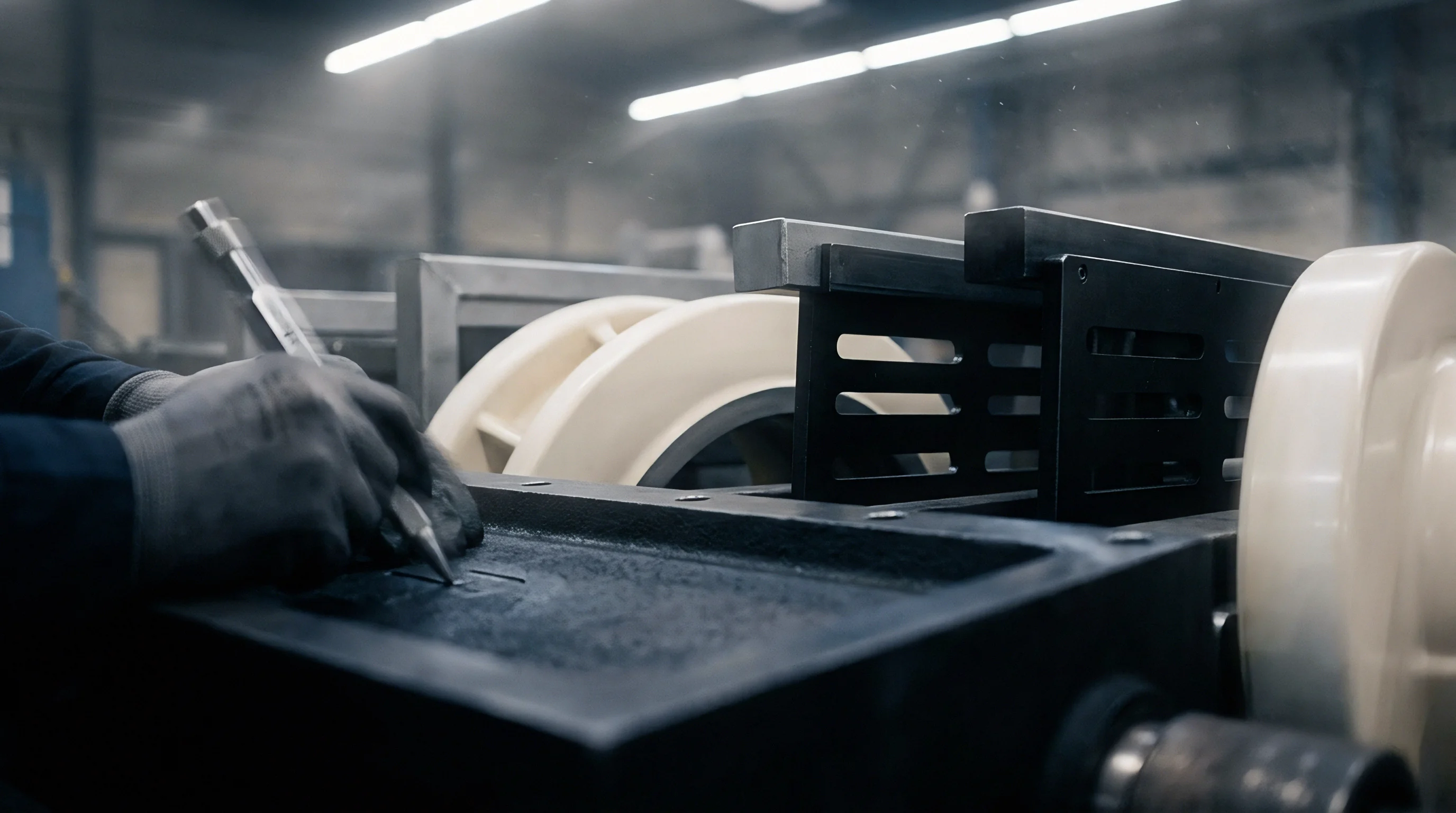
A gloved worker uses a metal scribe to apply identifying marks onto a cast component inside an active production facility.

Context

Market expectations had positioned Northvolt as the anchor for an independent European battery supply chain designed to curb import dependence. Procurement desks tracked the buildout closely to time when domestic supply agreements might offset the freight costs and customs risks of global sourcing.
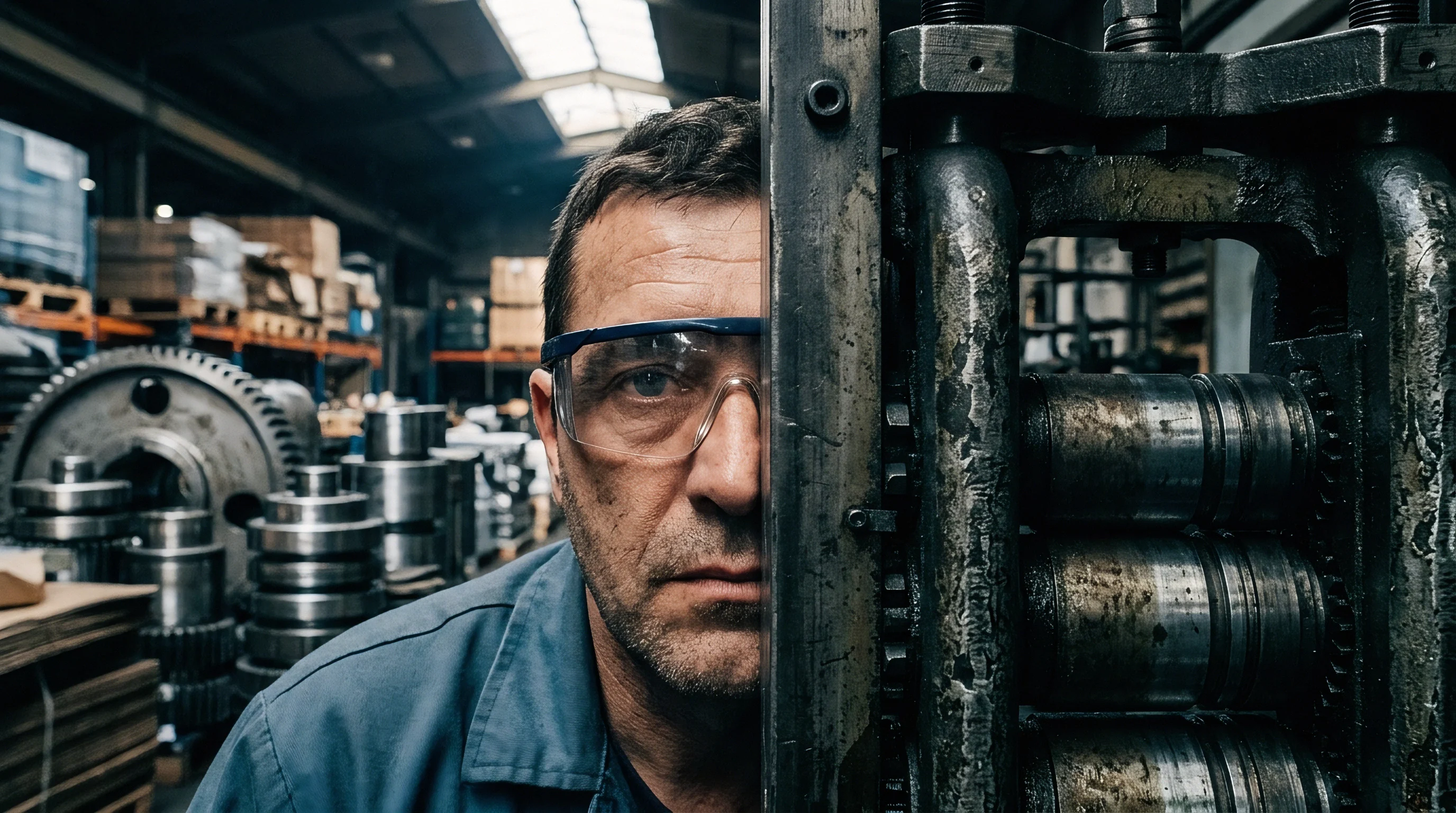
Half of a male worker's face wearing clear safety glasses is visible next to a large, grimy industrial rolling mill.

Analysis

Tighter financing and cooling EV demand pushed Northvolt to defend current operations rather than add footprint. Freezing site construction stems immediate cash burn and buys room to stabilize output on active lines. Downstream, the pause holds back regional cathode availability and stalls the integration of domestic sub-components into vehicle assembly, keeping established global suppliers entrenched.

A series of wooden enclosures housing metallic fist shaped levers align along a dark corridor connected by a thick central conduit.

Parameters

  • Total Staff Reduction ~ 1,600 positions cut across Skellefteå and Västerås to lower operational costs.
  • Primary Plant Capacity ~ 16 gigawatt-hours per year remains the focus of operations at the Northvolt Ett site.
  • Concentrated Reductions ~ 1,000 roles in Skellefteå account for the largest share of the job cuts.

An industrial robotic arm applies downward pressure onto a composite material specimen positioned on a textured slate workbench within a manufacturing facility.

Outlook

Procurement teams should watch the Northvolt Three project in Germany and Northvolt Four in Canada for signs of parallel delays. Financial filings through late 2024 will show whether cost reductions relieve near-term liquidity pressure, while contract talks for 2026 allocations will indicate how far automakers are extending their overseas supply commitments.

Precision engineered modular machine parts line an automated manufacturing facility floor in a repeating mechanical assembly sequence.

Verdict

Buyers should expect delays in transitioning to European-sourced batteries and maintain existing contracts with global suppliers through 2026.

Signal Acquired from: Northvolt

Nomenclature

Supply Chain Consolidation

Structural Integration ~ Strategic asset reorganization of procurement pathways, inventory holding locations and distribution nodes operates as supply chain consolidation when corporate leadership seeks to reduce structural redundancy across multi-tier networks.

Manufacturing Overhead

Indirect Allocation ~ Indirect expenses represent the subset of factory costs that cannot be traced to a specific unit of production.

Battery Cell Manufacturing

Production Sequence ~ Chemical conversion processes transform raw active materials into functional energy storage units through sequential electrode coating, winding, and electrolyte filling under strictly controlled atmospheric environments.

Energy Storage Procurement

Contracting Framework ~ Grid operators and utilities purchase large-scale battery equipment through structured commercial tenders and long-term supply agreements.

Cathode Material Sourcing

Procurement Mechanism ~ Industrial battery production relies on the controlled acquisition of high-purity metal precursors that transform into active chemical electrodes.

Industrial Production Cuts

Output Reduction ~ Manufacturing facilities reduce operational output during periods of depressed demand or excessive inventory accumulation.

Upstream Mineral Supply

Extraction Volume ~ Primary mining operations and processing facilities provide raw metallic ores and refined concentrates required for downstream manufacturing.

Lithium Ion Supply

Cathode Resource ~ Raw mineral intake depends upon chemical precursors moving from distant extraction sites to fabrication plants without interruption.

European Automotive Logistics

Network Routing ~ Cross-border vehicle manufacturing networks across Western and Central Europe rely on synchronized component movements and finished vehicle haulage.

Scandinavian Industry

Regional Output ~ Scandinavian industry denotes the collective manufacturing and processing capacity situated across Norway, Sweden, Denmark, and Finland that focuses on specialized extraction, forest product refinement, and engineering.

Automotive Sub Assembly

Component Composition ~ An automotive sub assembly functions as a discrete cluster of engineered parts delivered to a final production line to perform a unified mechanical or electrical task within a vehicle.

Plant Utilization Rates

Output Efficiency ~ Manufacturing facilities measure active production output against maximum engineering capacity over designated operational intervals.

What the firm knows, published

Expertise is a utility, not a secret. sentiention™ publishes its working knowledge as open reference: intelligence layer covering the materials it sources, the markets it enters, and the reference that serves both.