Record Port Congestion Restricts Container Capacity and Keeps Freight Rates Elevated

Expect delayed shipments and high spot freight rates as severe port delays lock up twelve percent of global vessel capacity.
28.08.26 2 min

Briefing

Record congestion at global container ports is pulling significant vessel capacity out of rotation, stretching transit times and keeping spot rates elevated. Successive typhoons across East Asia and equipment breakdowns at South African terminals have stalled operations at major gateways, throwing off carrier schedules and triggering fresh container imbalances. More than 4,300,000 TEUs of containership capacity is currently sitting idle in queues worldwide.
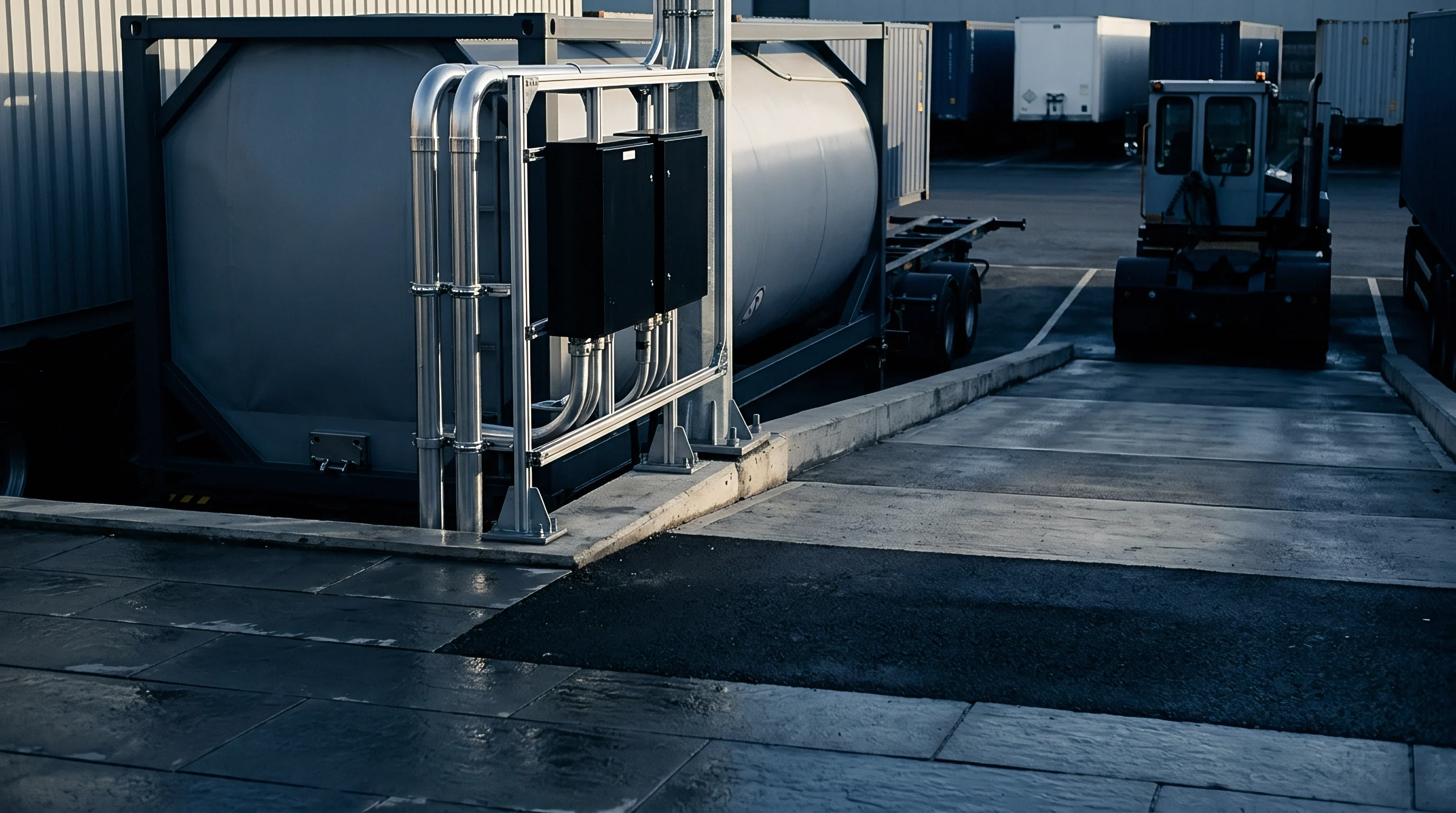
A cylindrical stainless steel intermodal tank container rests on a trailer chassis beside a steel piping manifold within an industrial freight terminal.

Context

Before this wave of delays hit, freight buyers expected the late-summer lull to bring spot rates back down toward baseline levels. Shippers were watching for an influx of new containership deliveries to create fleet oversupply and weaken carrier pricing power. With consumer demand cooling, the working assumption across procurement desks was that shippers would hold the upper hand heading into upcoming contract negotiations.
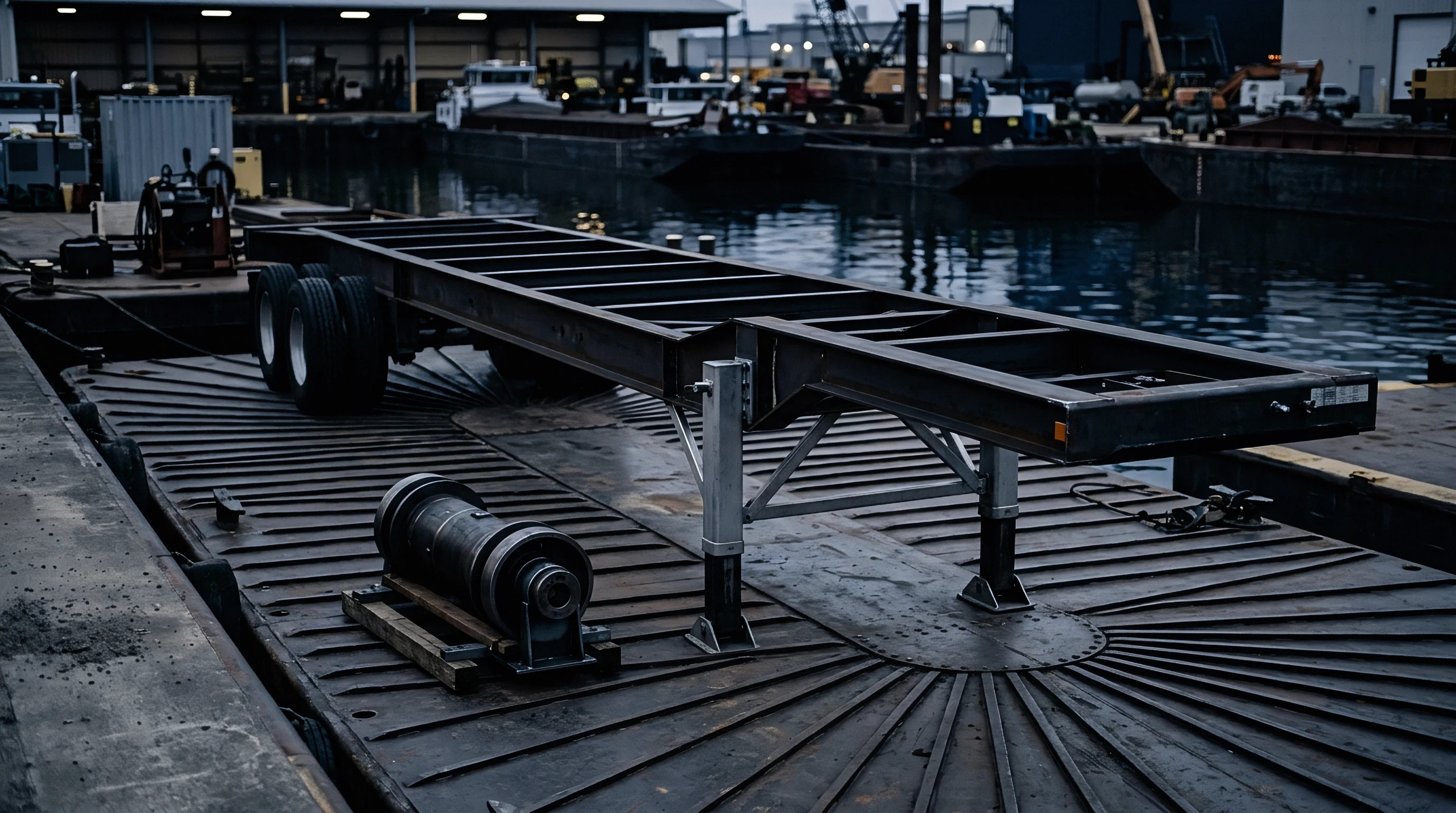
Steel skeletal container chassis and heavy industrial machinery rest on a reinforced barge deck inside a working harbor terminal.

Analysis

Repeated terminal shutdowns from storms across East Asia left a heavy backlog of vessels anchored outside key berths. Because liner loops run on tight rotations, delays at initial Asian load ports quickly snowball through downstream calls. Carriers are leaning on blank sailings and skipped port calls to reset their timetables, effectively cutting deployed capacity. That missing space has forced more cargo into the spot market, where competition for available slots is pushing forty-foot container rates to North American ports back toward earlier peaks alongside slower booking confirmations and immediate peak season surcharges.
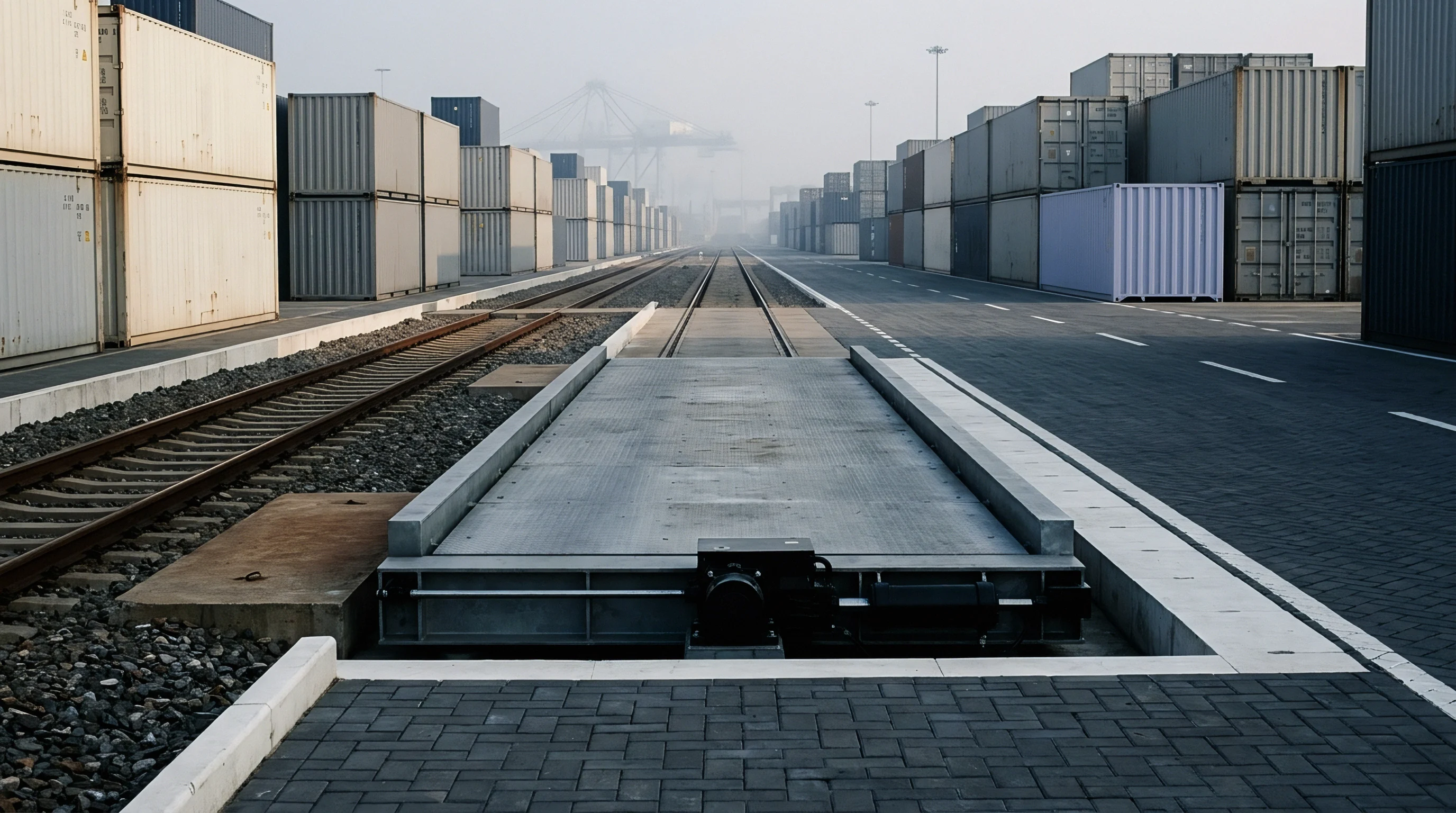
A digital render of an industrial intermodal freight yard containing a central weighbridge flanked by railway tracks and stacked shipping containers.

Parameters

  • Stranded Capacity ~ 4,300,000 TEUs of containership capacity is currently waiting to berth globally.
  • Global Fleet Share ~ 12.6% of the active worldwide container fleet is tied up in port queues.
  • East Asian Backlog ~ 2,200,000 TEUs of container capacity is stalled outside North Asian gateways following severe typhoons.
  • US East Coast Spot Rate ~ $9,700 per forty-foot container out of Shanghai, supported by port delays and canal restrictions.
A uniformed operative observes industrial pipes and storage structures from an elevated metal walkway at a chemical processing complex.

Outlook

Clearing these backlogs will take weeks even after weather conditions stabilize, keeping usable vessel capacity tight and spot pricing supported through the near term. Shippers face firm contract rates and persistent peak season surcharges across primary ocean lanes while vessels remain out of position. The weekly Shanghai Containerized Freight Index will show whether the pressure holds; steady increases through September would indicate that disruptions are spilling straight into the broader peak shipping season.
A circular industrial clock with a minimal face mounts directly onto a dark metal shipping container beneath a weathered steel beam.

Verdict

Logistics buyers must book shipments at least four weeks in advance and secure equipment guarantees to protect supply chains from record global port delays.

Signal Acquired from: The Loadstar

Nomenclature

Maritime Supply Chains

Logistics Infrastructure ~ Maritime supply chains represent the physical and organizational networks moving goods between international production sites and domestic consumption markets via ocean vessels.

Transit Delays

Schedule Variance ~ Deviations between planned transportation timetables and actual shipment arrival times measure operational friction across international freight networks and domestic distribution corridors.

Port Congestion

Systemic Bottleneck ~ Marine transit interruption occurs when vessel arrival volume exceeds the capacity of terminal infrastructure to process cargo, leading to extended wait times at anchorage or within berths.

Harbor Wait Times

Anchorage Duration ~ Port performance tracking measures the inactive duration that merchant cargo vessels spend anchored outside designated port waters prior to securing a commercial berthing slot.

Berth Queues

Berth Operational Metrics ~ Maritime infrastructure performance relies on measuring the duration between vessel arrival at a designated port zone and the commencement of loading or discharge activity.

Ocean Freight

Cargo Movement ~ Maritime transport provides the primary physical capacity for moving heavy industrial goods and bulk commodities across international waters on scheduled vessel routes.

Marine Logistics

Waterborne Transport ~ Coordination of sea-based assets and offshore resources involves the specialized movement of equipment and personnel to maritime sites.

Schedule Reliability

Arrival Consistency ~ Periodic transport evaluation quantifies the variance between predetermined port arrival windows and actual vessel berthing times across oceanic freight routes to measure network stability.

Global Trade

Commercial Volume ~ Bulk commodities and manufactured merchandise cross international frontiers daily within global trade, creating an aggregate movement that defines the scale of cross-border commerce.

Vessel Capacity

Fleet Metric ~ The total physical volume and weight of cargo that a merchant ship can legally and safely carry is measured in twenty-foot equivalent units or deadweight tonnage.

Peak Season Shipping

Logistical Cycle ~ High demand volume within international transport networks dictates a predictable surge in freight movement that occupies specific calendar windows.

Spot Rates

Pricing Mechanism ~ Immediate market transactions define spot rates by tying cargo movement to current vessel availability rather than long-term volume commitments.

What the firm knows, published

Expertise is a utility, not a secret. sentiention™ publishes its working knowledge as open reference: intelligence layer covering the materials it sources, the markets it enters, and the reference that serves both.