Indian Container Exports to North America Face Tight Vessel Availability

Buyers face increased lead times as carriers divert ships from Indian terminals toward high-revenue East-West trade routes.

29.08.26 2 min

Briefing

Indian exporters are struggling to secure reliable container space as global ocean carriers shift ships toward higher-margin lanes, pulling capacity away from major terminals in Mundra and Nhava Sheva. Inventory managers are having to extend planning cycles to account for skipped port calls and growing backlogs at transshipment hubs. With space tight across the region, buyers need to lock in bookings earlier in the production cycle so cargo isn’t rolled to later sailings. Rates for exports from India to the United States East Coast are up 25 percent as a result.

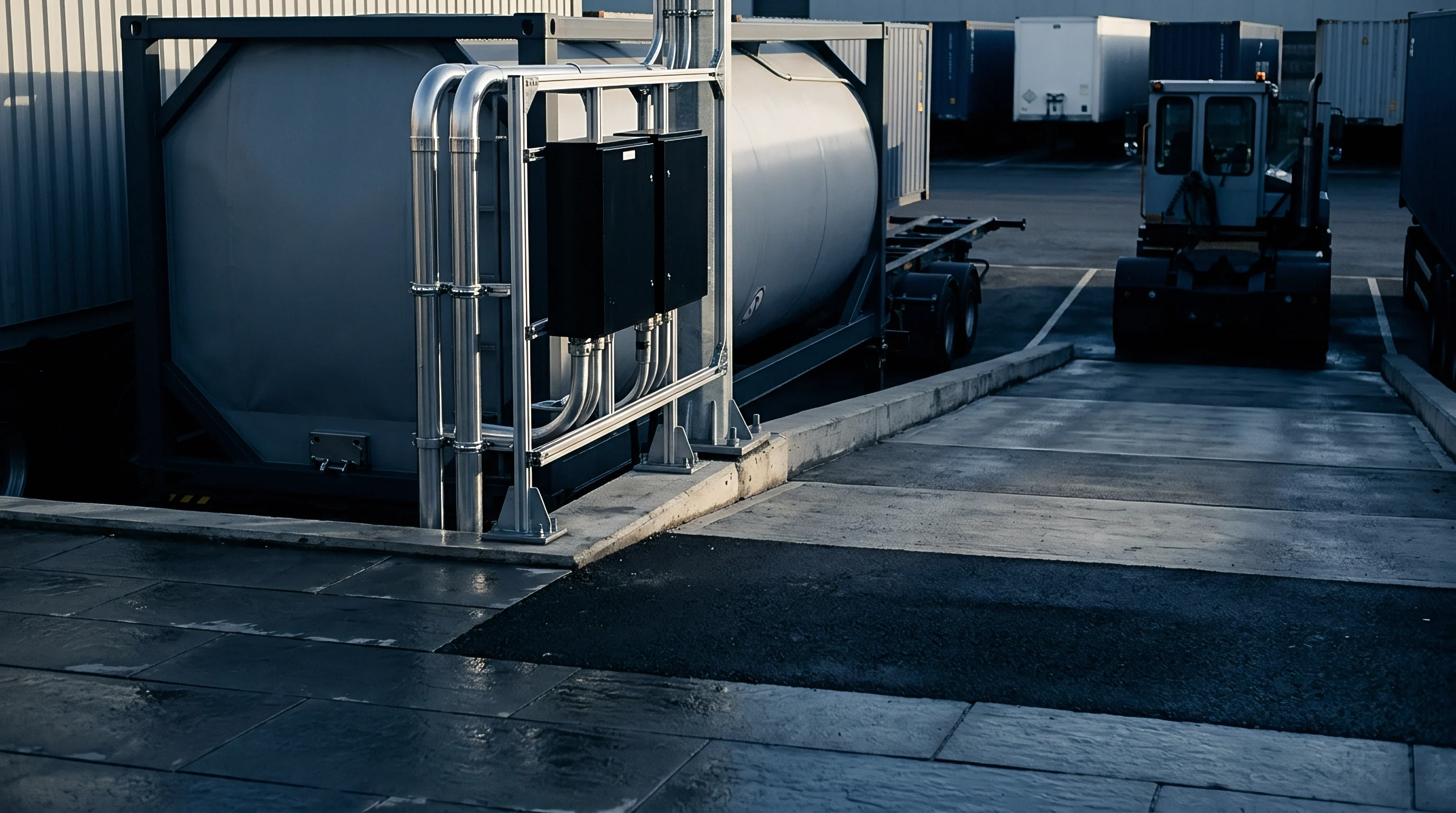
A polished steel industrial pressure vessel featuring a heavy manual control valve sits staged within an active construction facility yard.

Context

Sourcing teams had counted on the India-to-North America corridor as a reliable alternative to Chinese logistics during ongoing Red Sea disruptions. Buyers expected price parity between direct calls and multi-leg transshipment through the Middle East, anticipating that new carriers entering the Indian market would keep rates competitive and equipment available for regional orders.

A dark digital render features a miniature cargo vessel suspended above a reclining figure beside a podium against a dark background.

Analysis

Strong earnings potential on long-haul Asia-to-Europe routes is drawing vessel capacity away from secondary trade lanes as carriers move ships to maximize revenue per voyage. When direct calls at Indian ports are canceled, export cargo shifts to regional feeder vessels, crowding transshipment hubs that are already operating near limit. Secondary trade routes are left relying on these constrained connections, which lengthens factory gate dwell times and makes destination arrival dates far less predictable.
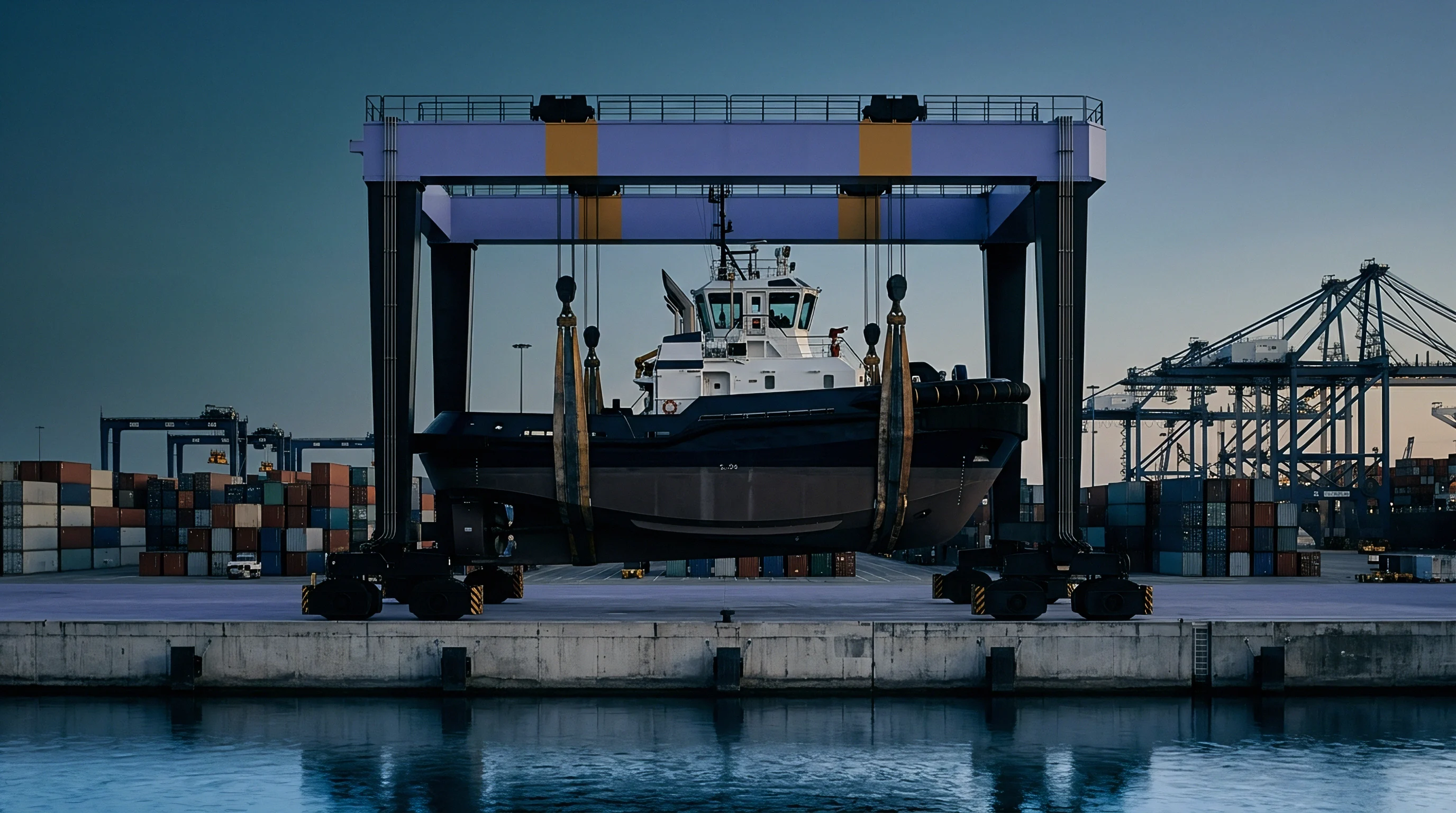
A heavy gantry crane suspends a painted steel tugboat above a concrete terminal surrounded by shipping containers at dusk.

Parameters

  • Rate Increase ~ 25 percent rise in ocean freight costs for shipments from Western India to the North American East Coast.
  • Lead Time Extension ~ 21 day average increase in total door-to-door transit time for regional exports.
  • Service Frequency ~ 15 percent reduction in direct weekly vessel calls at major Indian container terminals.

Worker hands grip padded guide ropes of a vertical marine boarding ladder mounted to a dark vessel hull.

Outlook

Regional feeder rates through September will show just how severe the capacity shortfall becomes. If feeder pricing keeps climbing alongside mainline rates, constraints will likely stretch through the holiday season. Buyers should monitor the ratio of direct versus transshipment departures on upcoming booking confirmations.

A circular industrial clock with a minimal face mounts directly onto a dark metal shipping container beneath a weathered steel beam.

Verdict

Procurement teams must buffer regional inventories by three weeks for all orders originating in India to offset unreliable vessel schedules.

Signal Acquired from: Container News

Nomenclature

Maritime Logistics

Oceanic Coordination ~ Management of sea transport and port operations ensures the smooth movement of goods across the globe.

Mundra Port

Maritime Infrastructure ~ Maritime logistics systems rely on high capacity deepwater terminals to facilitate the bulk transfer of commodities across international shipping routes.

Carrier Reliability

Performance Measurement ~ Transportation performance metrics quantify the punctuality and schedule adherence of commercial transport operators across scheduled transit corridors.

Vessel Capacity

Fleet Metric ~ The total physical volume and weight of cargo that a merchant ship can legally and safely carry is measured in twenty-foot equivalent units or deadweight tonnage.

Global Shipping Capacity

Fleet Metric ~ Maritime transport measurements quantify the total carrying volume and deadweight tonnage of commercial merchant fleets operating on international ocean corridors.

Nhava Sheva

Terminal Congestion ~ Maritime infrastructure efficiency depends heavily on the throughput rates recorded at Nhava Sheva.

Supply Chain Planning

Operational Horizon ~ Forecasting protocols determine future material flows by reconciling historical consumption figures with contracted sales orders across fixed monthly intervals.

Container Shipping

Freight Methodology ~ Standardized modular transport utilizes intermodal metal units to move goods across global trade routes.

Ocean Freight

Cargo Movement ~ Maritime transport provides the primary physical capacity for moving heavy industrial goods and bulk commodities across international waters on scheduled vessel routes.

Cape of Good Hope Rerouting

Routing Alternative ~ Maritime transit adjustments that redirect vessels around the southern tip of Africa instead of utilizing the Suez Canal constitute a major shift in global shipping lanes.

Indian Subcontinent

Geographic Definition ~ This classification refers to a distinct tectonic plate and cultural region located in South Asia that hosts significant maritime traffic and production hubs.

Lane Prioritization

Routing Hierarchy ~ Distribution management protocols establish the ranking and resource allocation hierarchy assigned to specific freight transit corridors within a commercial logistics network.

What the firm knows, published

Expertise is a utility, not a secret. sentiention™ publishes its working knowledge as open reference: intelligence layer covering the materials it sources, the markets it enters, and the reference that serves both.